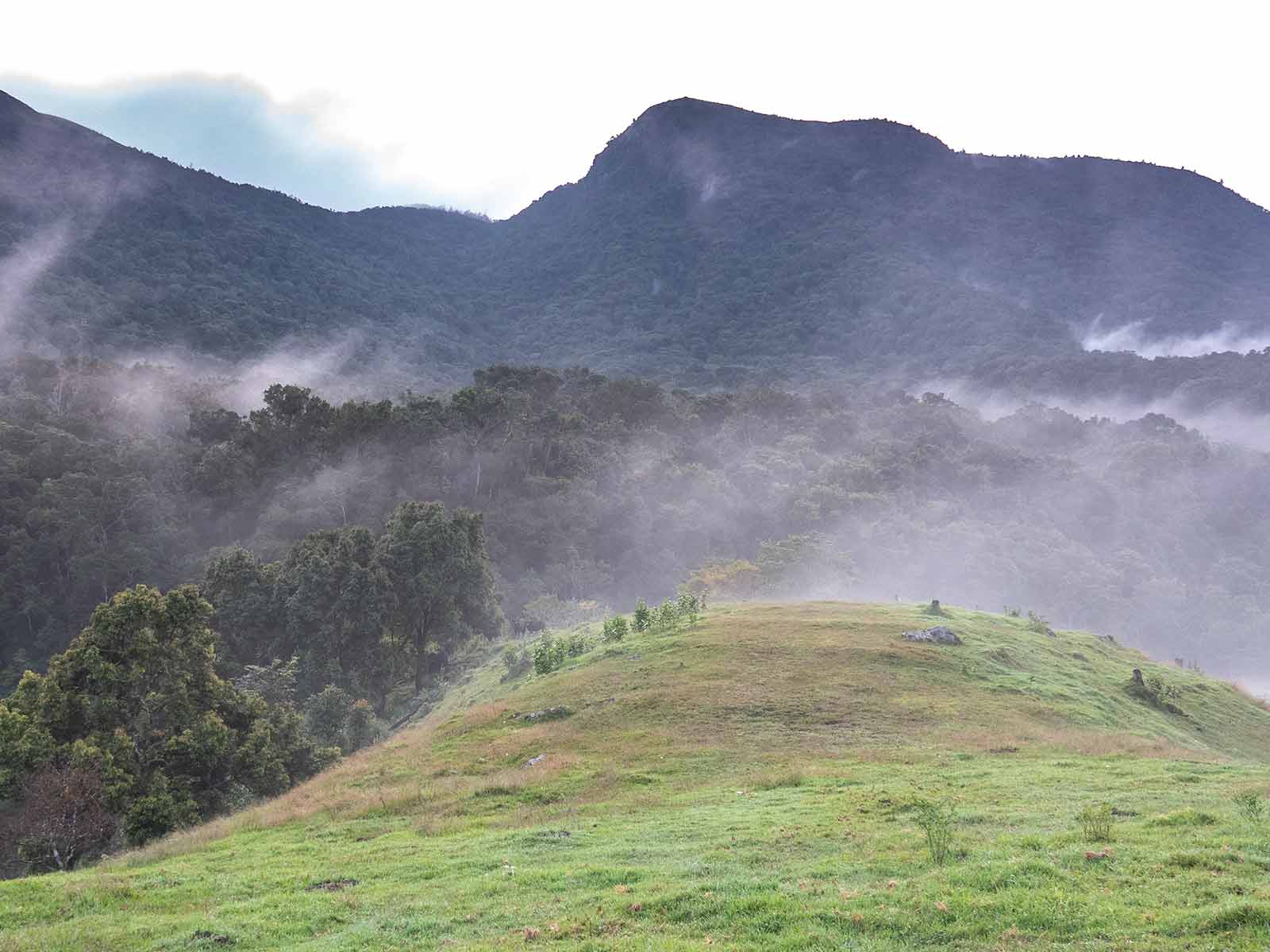
I have usually gone hiking only with Vinod. But in recent times, with our commitments to KNF, KERF and our little one, planning long hikes together has become difficult. So, just like Vinod did for his Agasthiyarkoodam trek, we decided that sometimes we should go on our own. Vinod encouraged me to take a solo trip, partly to get some much-needed time for myself. When Wildfootprints announced a trek to Chokramudi and Pampadum Shola National Park, I decided this was the perfect opportunity to get back to hiking and, more importantly, spend some time looking for native flora.
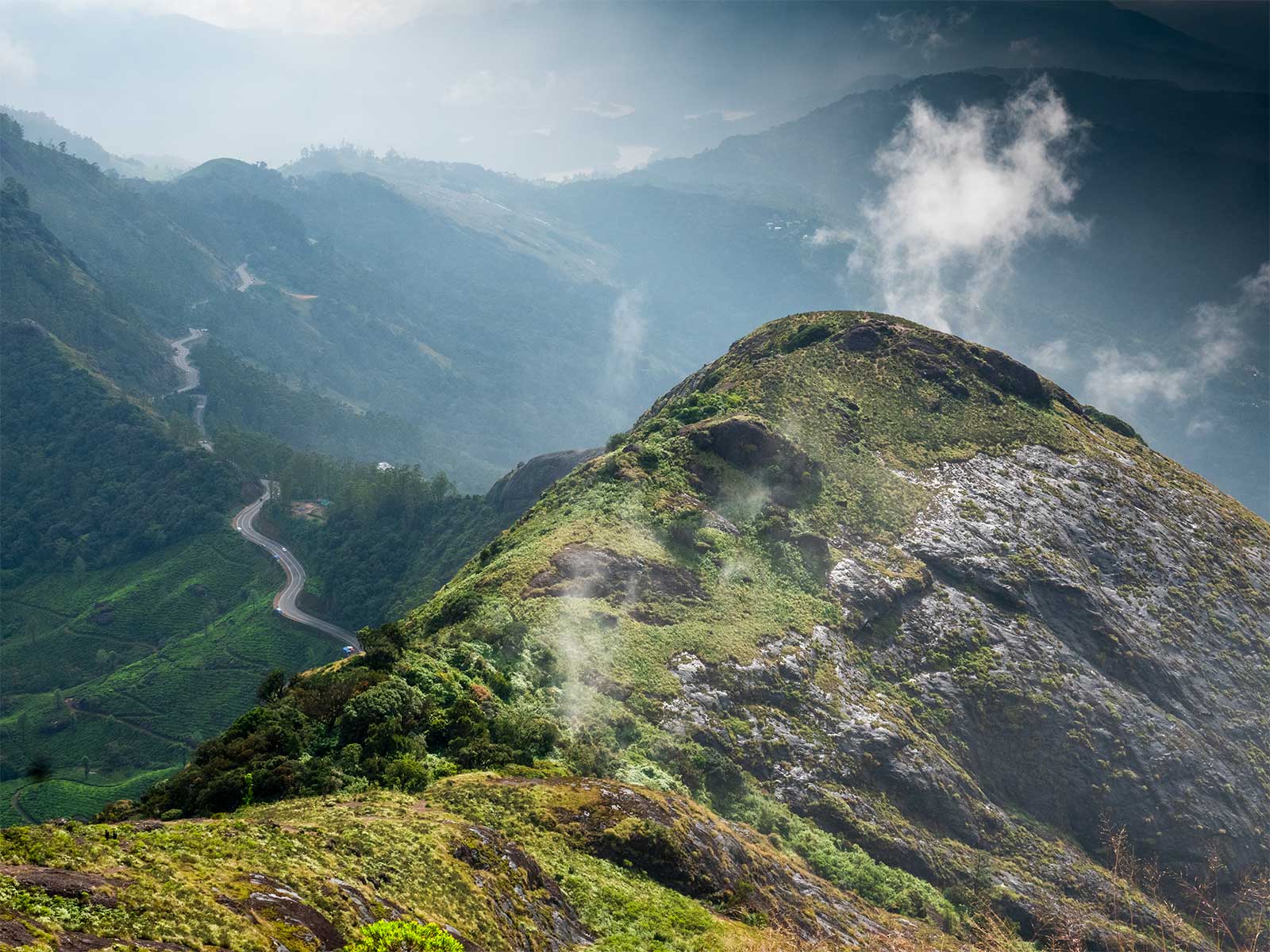
My journey began with a train ride from Nagercoil to Trivandrum. I used the waiting time to catch up on some long-pending reading on my Kindle, something I rarely get enough time for these days. We reached Munnar early in the morning, and I was welcomed by a familiar, cheerful song, the Malabar Whistling Thrush. By 6.30 AM, our team had reached the Chokramudi trekking point. I was told that during the peak Kurinji flowering season, the trail would be crowded with people all the way from the starting point to the summit. I was glad I hadn’t chosen that time to visit. The Kurinji flowers had mostly withered, and there were only a few tourists around, which was just perfect for me.
It also brought back memories of our Kurinji road trip eight years ago. Vinod and I had travelled around looking for Kurinji flowers in remote locations, long before Instagram reels became a part of every travel experience. We could enjoy those places without much disturbance. It feels like a lifetime ago now. Almost everything seems to turn into an Instagram reel these days, and I am already beginning to feel ancient!
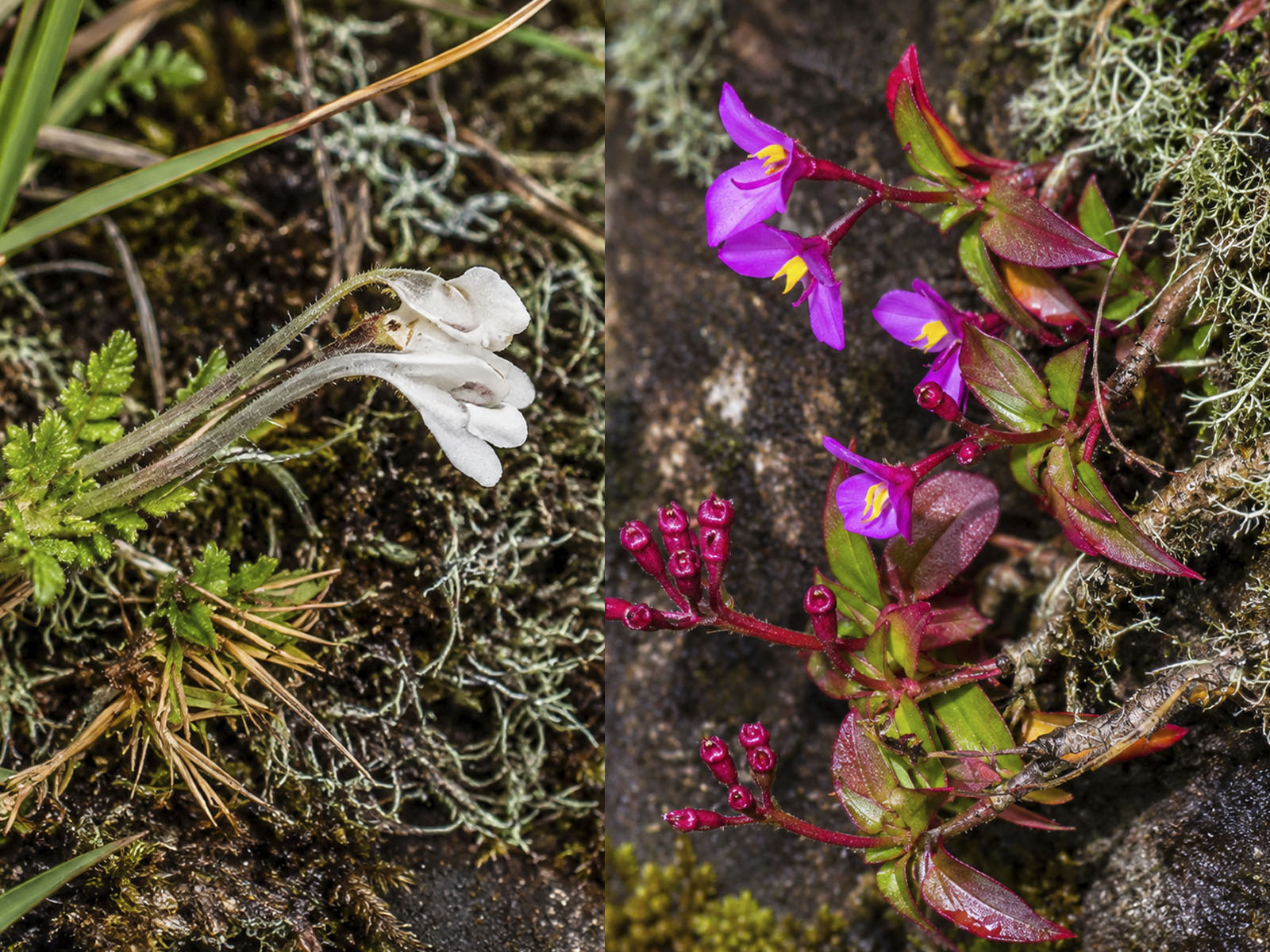
I hadn’t attempted any challenging treks in recent years, so I wasn’t entirely sure how much I could manage. Thankfully, Chokramudi turned out to be a moderate trek, allowing me to enjoy both the walk and the wildflowers along the way. There were still a few Kurinji flowers scattered here and there. Impatiens herbicola, a delicate little white balsam, was in full bloom, while Emilia scabra, with its beautiful pink flowers, was seen in abundance across the rocky slopes.The gradual climb offered lovely views of the surrounding mountains. Yet, even at that altitude, we could hear the occasional sound of firecrackers from nearby settlements, as it was the Deepavali weekend.
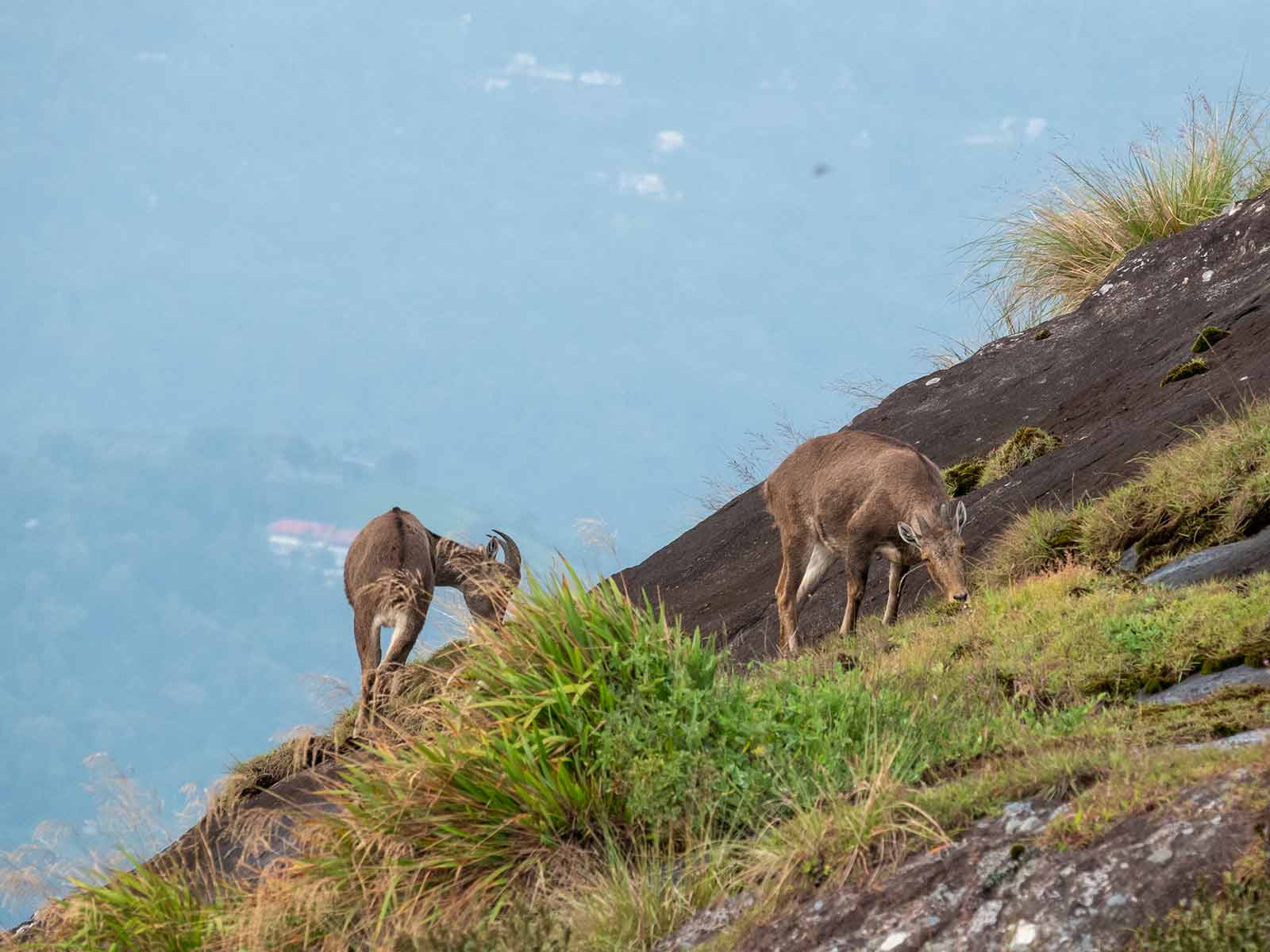
I was busy looking at flowering Osbeckias, Crotalarias and Swertias when I suddenly came across a beautiful sight , a herd of Nilgiri tahrs grazing peacefully on a sloping mountainside. The previous month, in the lead-up to Nilgiri Tahr Day on October 7, Vinod and I had spent almost the entire month conducting awareness sessions about this magnificent mountain ungulate in schools and colleges. After spending so much time talking about them and introducing children to their world, seeing a herd in its natural habitat felt like a little blessing from nature.
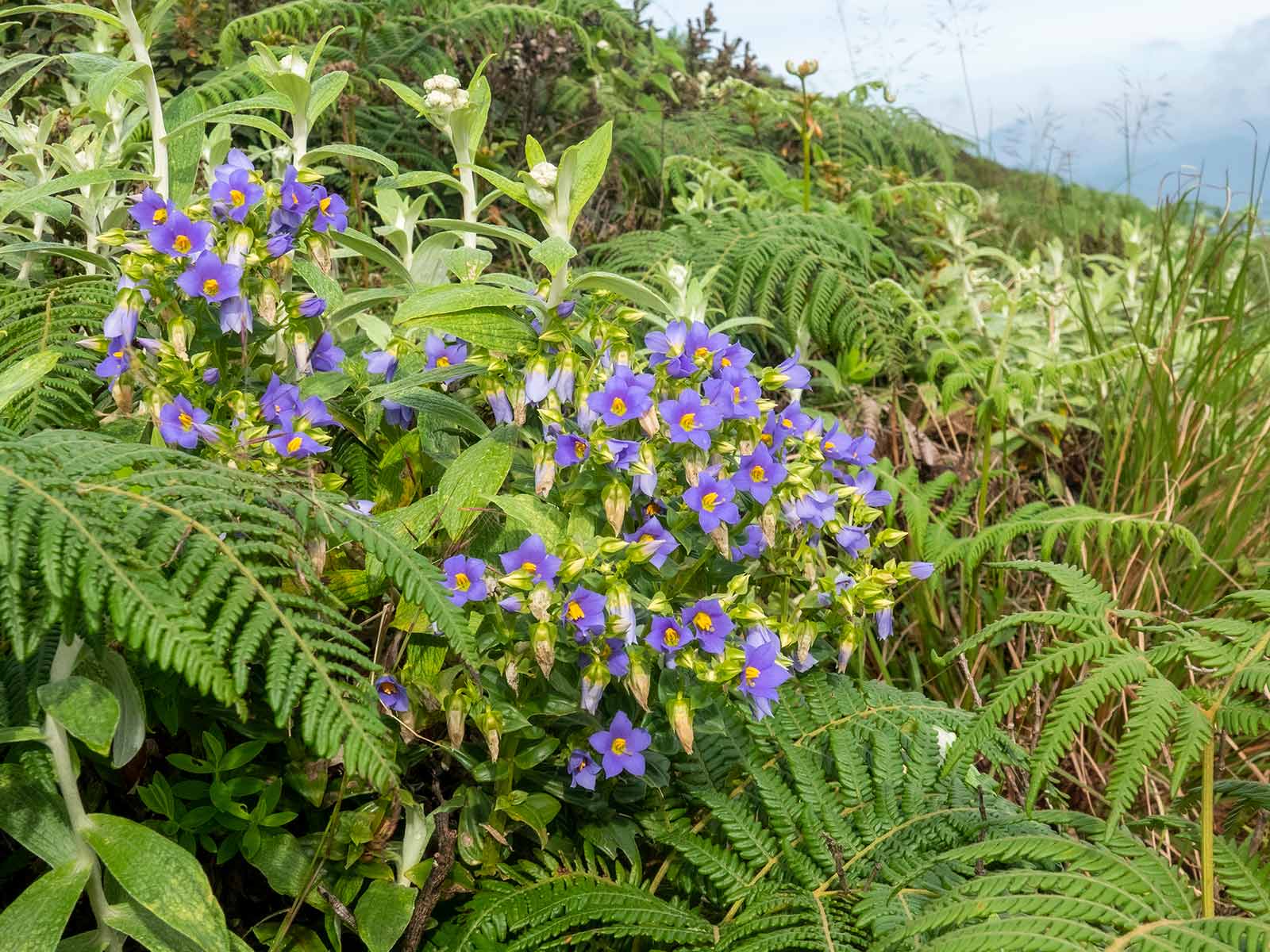
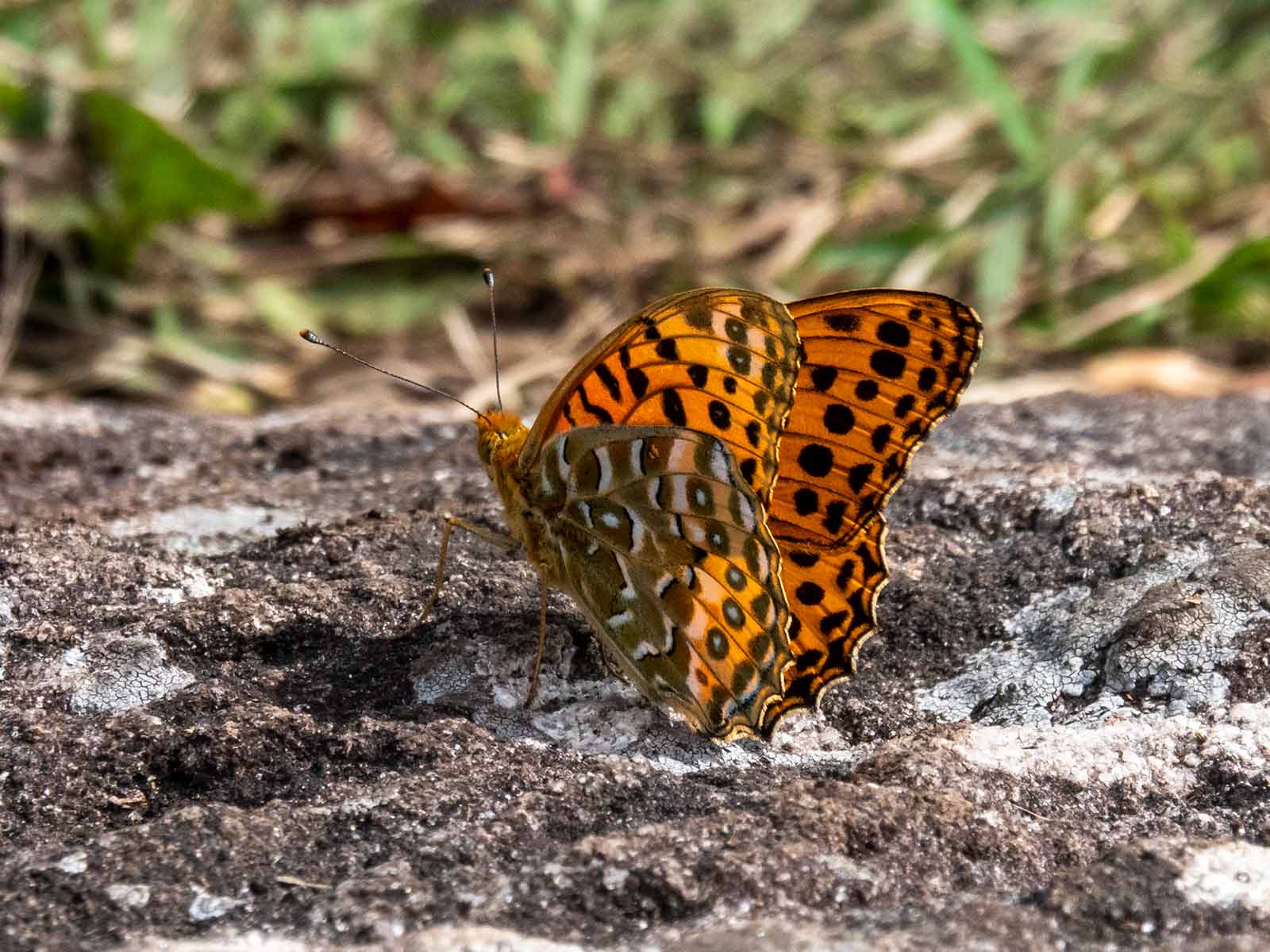
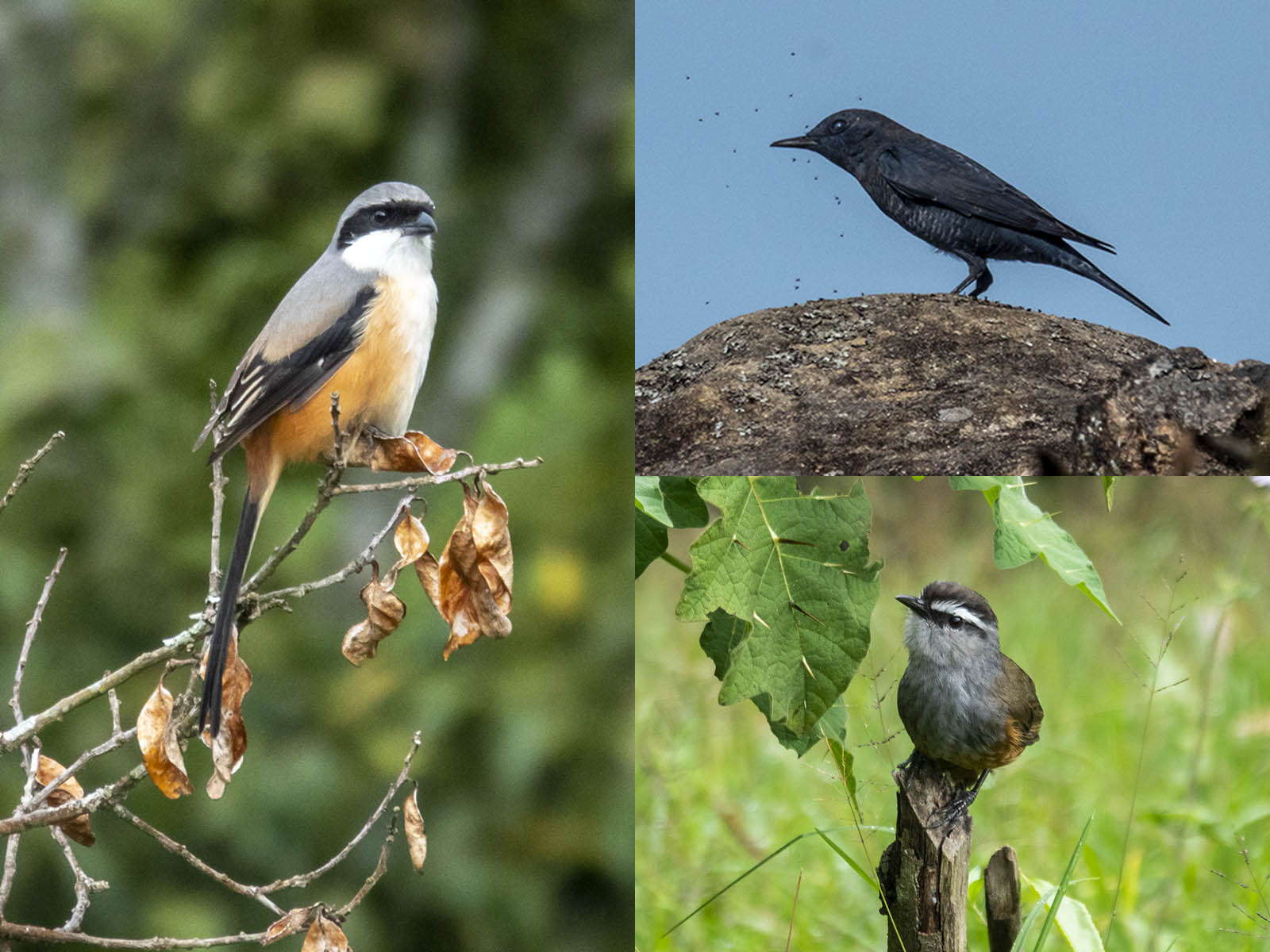
The mountain landscape was breathtaking, with blue blooms of Exacum and bright yellow flowers of Hypericum adding colour to the slopes. We walked through a dense forest patch where I saw many stilt root trees before emerging into another beautiful mountain view. Everyone settled down to rest and enjoy the scenery. A Palni Fritillary seemed quite happy to pose for us, while a shy Blue Rock Thrush quickly moved towards the slopes as we approached.
Pedicularis perrottetii, an endemic from Southern western ghats was spotted on a unapproachable rocky slope.We spent a leisurely time enjoying the surroundings before making our way back.
From there, our team headed towards Pampadum Shola National Park. We settled into the dormitory inside the forest, left our luggage and then set off for a jeep ride around Vattavada. I must admit, that part of the experience wasn’t really for me. The rough, touristy jeep ride was something I could happily have skipped! That evening, near our dining hall, we spotted a herd of Indian Gaurs resting inside the Shola landscape. It was a lovely sight to end the day.
The next morning our team enjoyed watching a good number of Indian Gaurs grazing in the nearby meadow. A smaller group ventured out for birding, and we managed to spot Bar-winged Flycatcher-shrike, Palani Laughingthrush, Velvet-fronted Nuthatch, Nilgiri Flycatcher, Long-tailed Shrike and a few others. We also came across a toad party in the nearby pond, along with several unfortunate toad roadkills. After a delicious breakfast of the famous puttu and kadalai curry, we finally headed towards my long-awaited Pampadum Shola trek.
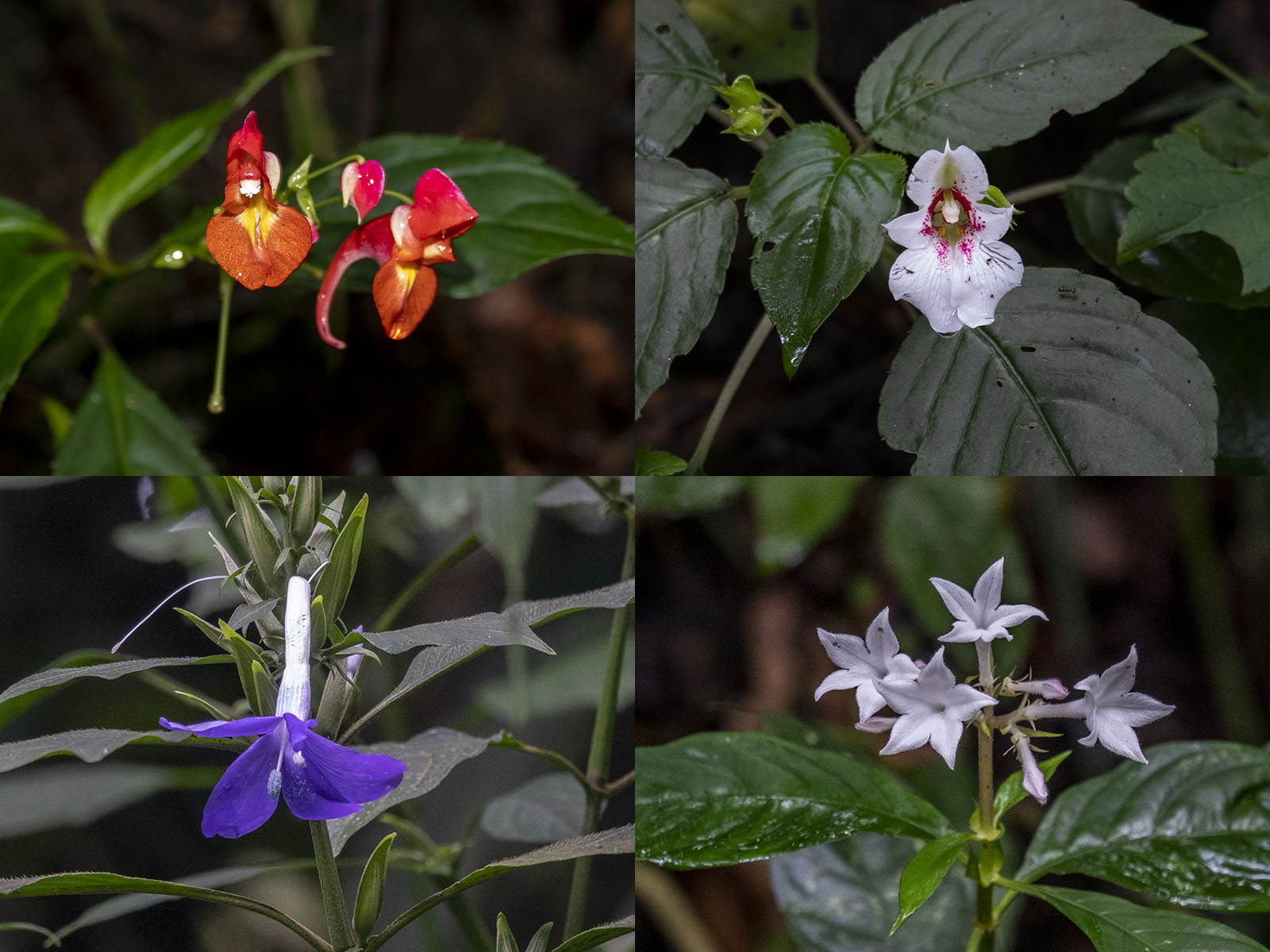
The moment we stepped into the Shola forest, I felt transported into a completely different world. Although the plants growing along the initial roadside stretches were largely invasive, the vegetation closer to the forest trees revealed a fascinating world of endemic beauties. I was particularly happy to come across Tyrian Red Balsam (Impatiens phoenicea) again, a plant I had last seen four years ago during the Kodaikanal tiger survey. Seeing it again brought back memories of that field experience. Impatiens campanulata (Bellflower Balsam) was in full bloom.
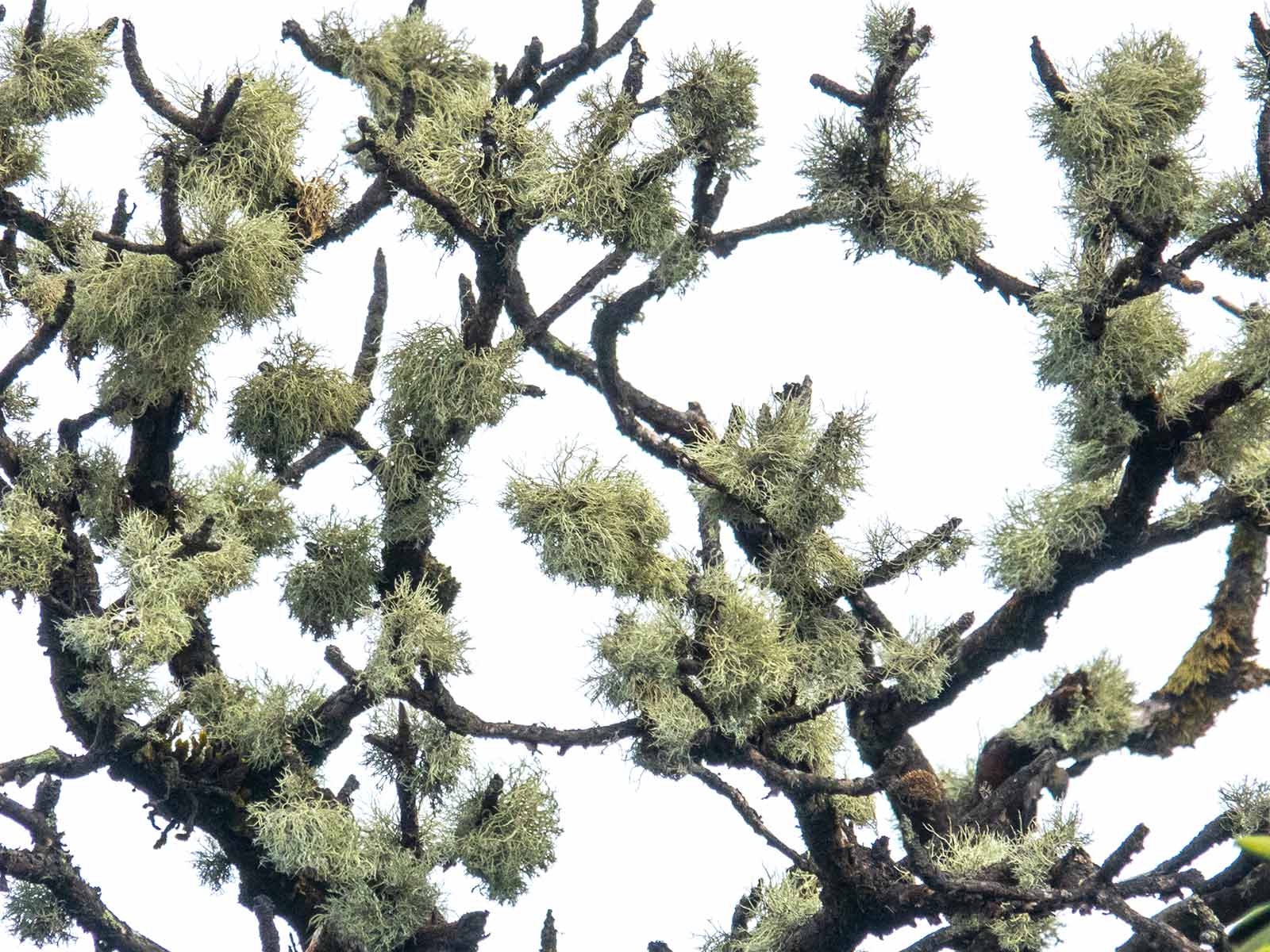
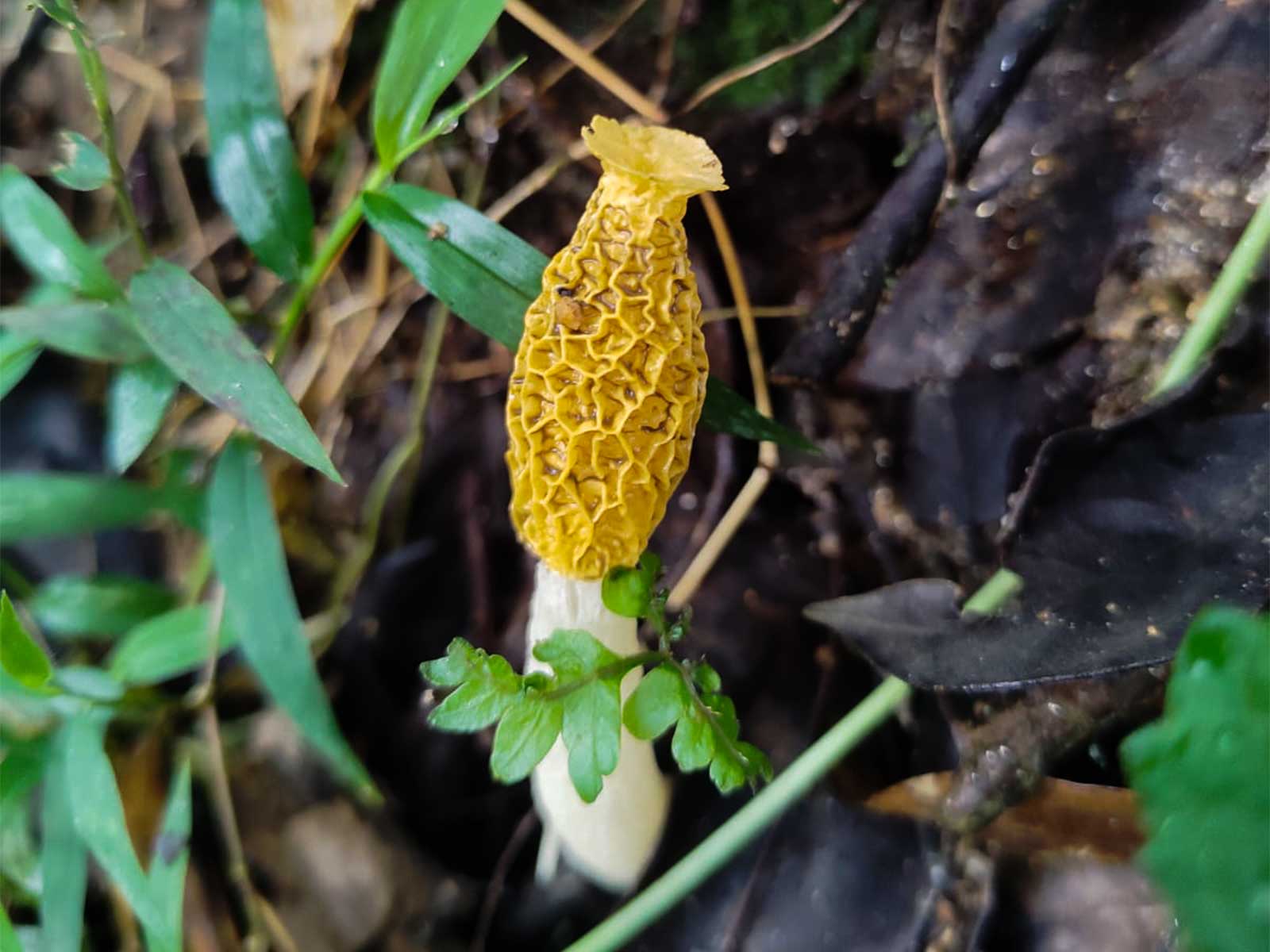
Interestingly, the Forest Department watcher accompanying us had joined several researchers during surveys in this landscape. He also had a special fascination for mushrooms. With great excitement, he introduced us to bioluminescent mushrooms, Phallus flavocostatus (a egg smelling mushroom), some of the tiniest mushrooms I had ever seen and several other fascinating fungal wonders. While some members of the group were understandably uncomfortable with the leeches lurking on the forest floor, waiting for an opportunity to get their share of our blood, a few of us were completely absorbed in this miniature world. Mosses, mushrooms, tiny plants and all the little wonders of the forest were far too fascinating to ignore. We didn’t really mind the leeches!
The forest was alive with beautiful bird calls. I heard several lovely sounds echoing through the trees, though I couldn’t identify all of them. Then came the familiar call of an Indian Scimitar Babbler but I couldn’t spot it. Red-disc Bushbrown butterflies were fluttering around everywhere, adding little movements to the quiet forest. I also spotted a few Calanthe orchid plants, though none of them were in bloom. Just when I thought I had seen enough for the walk, something unusual caught my eye.
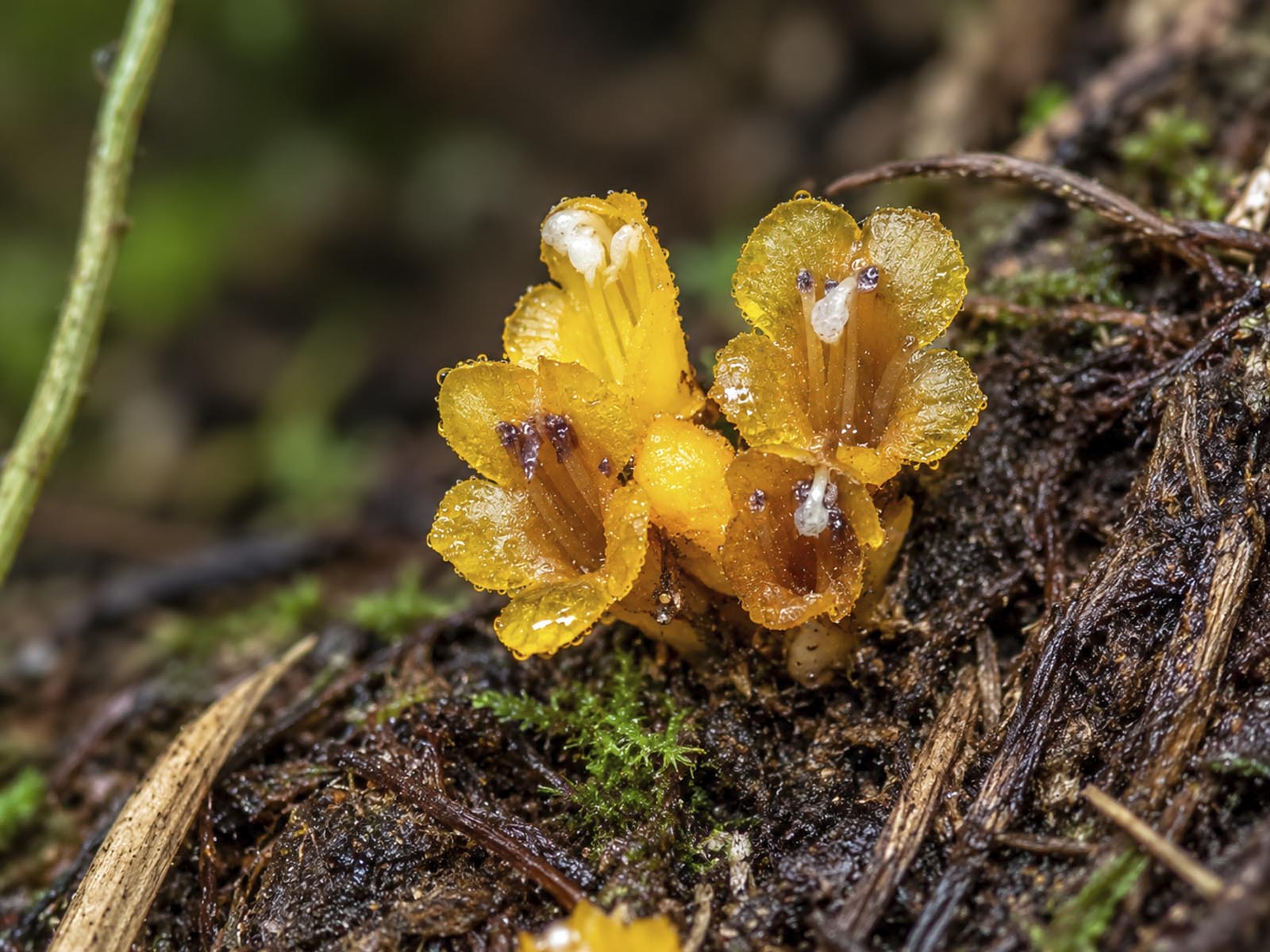
There was a bright yellow patch on a muddy slope. From a distance, I assumed it was some kind of mushroom and walked closer to get a better look. But what I found left me absolutely thrilled. It was the rare and beautiful Campbellia cytinoides, a critically endangered, leafless and hairless parasitic herb. Its delicate yellow flowers emerged from the forest floor like a little cluster of jewels. I couldn’t believe my luck! It was easily one of the most memorable sightings of the entire trip.
Excited by this discovery, I continued the walk. As we were nearing the end of the trail, the forest watcher accompanying us mentioned that he had noticed some eggs in a nearby waterbody. A few of us decided to go and investigate. To our surprise, we found long, ribbon-like strands of eggs floating in the water.
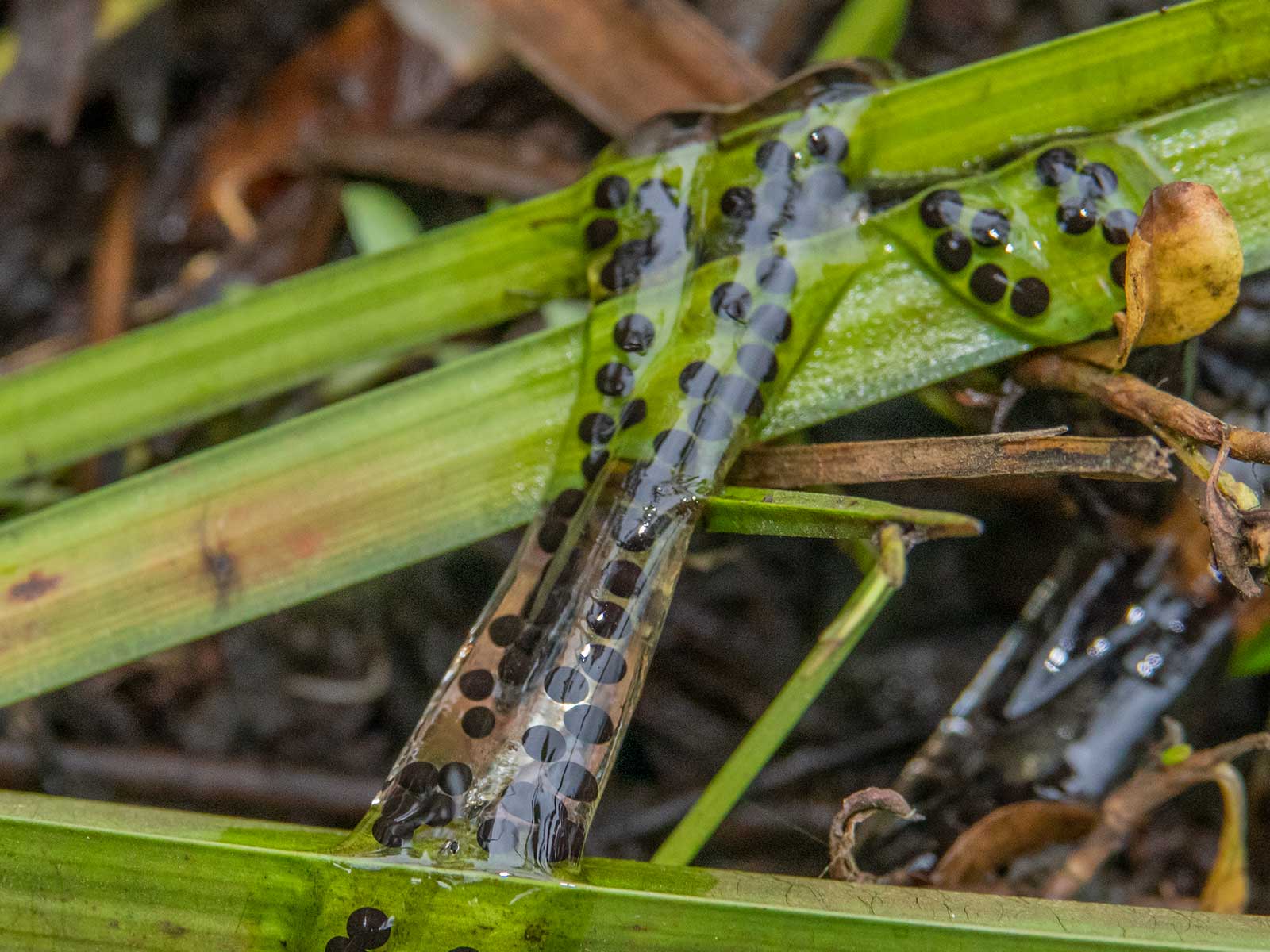
We later learnt that they belonged to toads. With different toad species possibly inhabiting the forest streams, it would be interesting to know which species had laid them.
Back at our accommodation, we packed our bags, enjoyed a lovely lunch and began our journey home. But the journey wouldn’t have been complete without a stop for some delicious pazham pori! It has always been one of my favourite snacks, and no trip to this part of the hills feels complete without it.
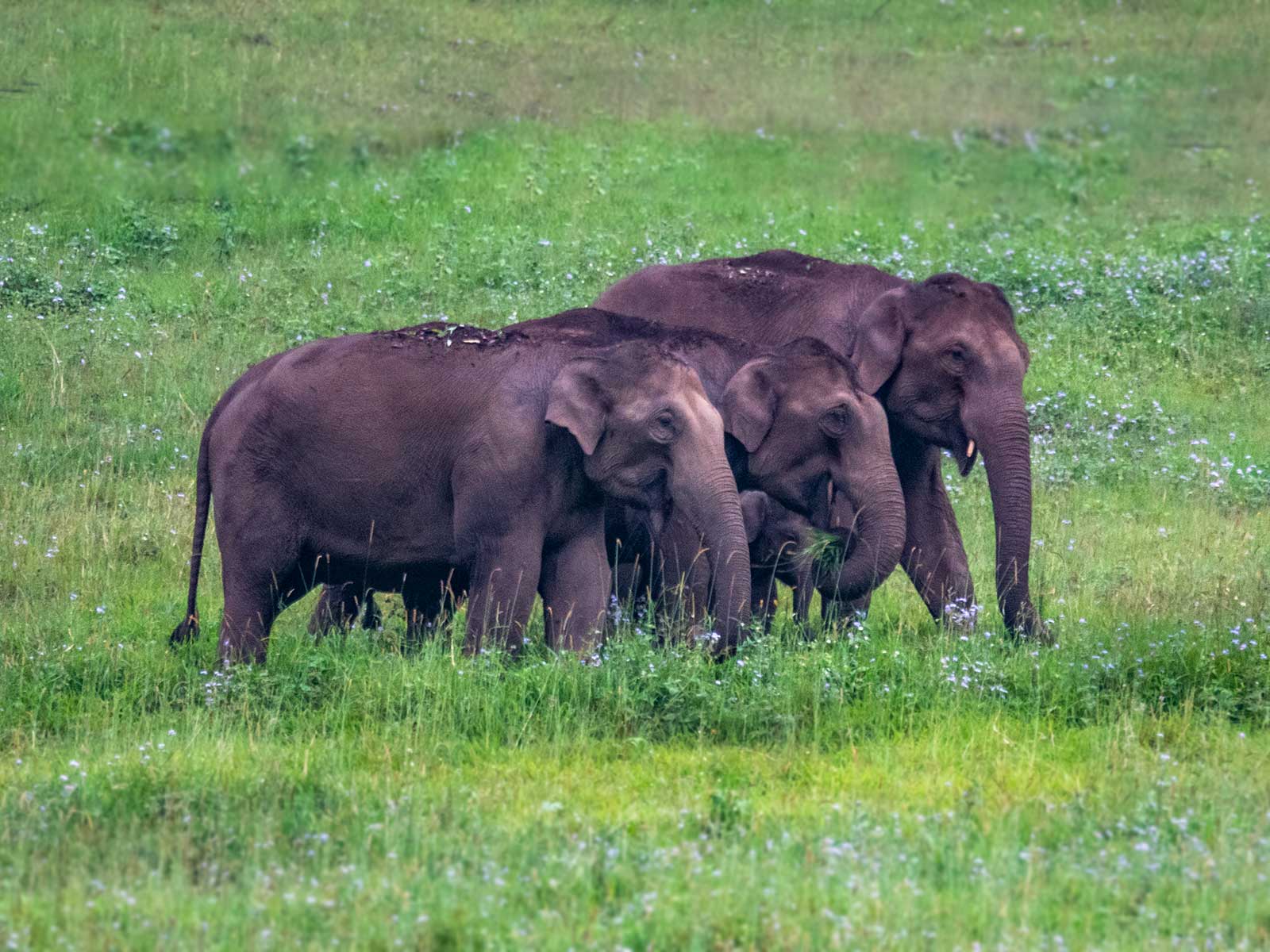
Another stop along the way to watch an elephant family peacefully grazing in a meadow beside the road. After a long drive, we finally reached home. I was already eager to share every little sighting with Vinod and narrate the entire adventure to our little one, who is always excited to listen to our wild stories. Sometimes, the joy of a nature trip doesn’t end when you leave the forest. It continues in the stories we bring home and the excitement of sharing them with the people we love.