Being avid wildflower lovers, a trek to Agastyamalai Peak was always part of our wish list, but it never happened for various reasons. A couple of times it came close to reality, only to fade away into the background. When Vivek, a friend of mine, informed me that he was organizing a trek to Agastyamalai Peak through his venture, Wild Footprints, I immediately said yes.
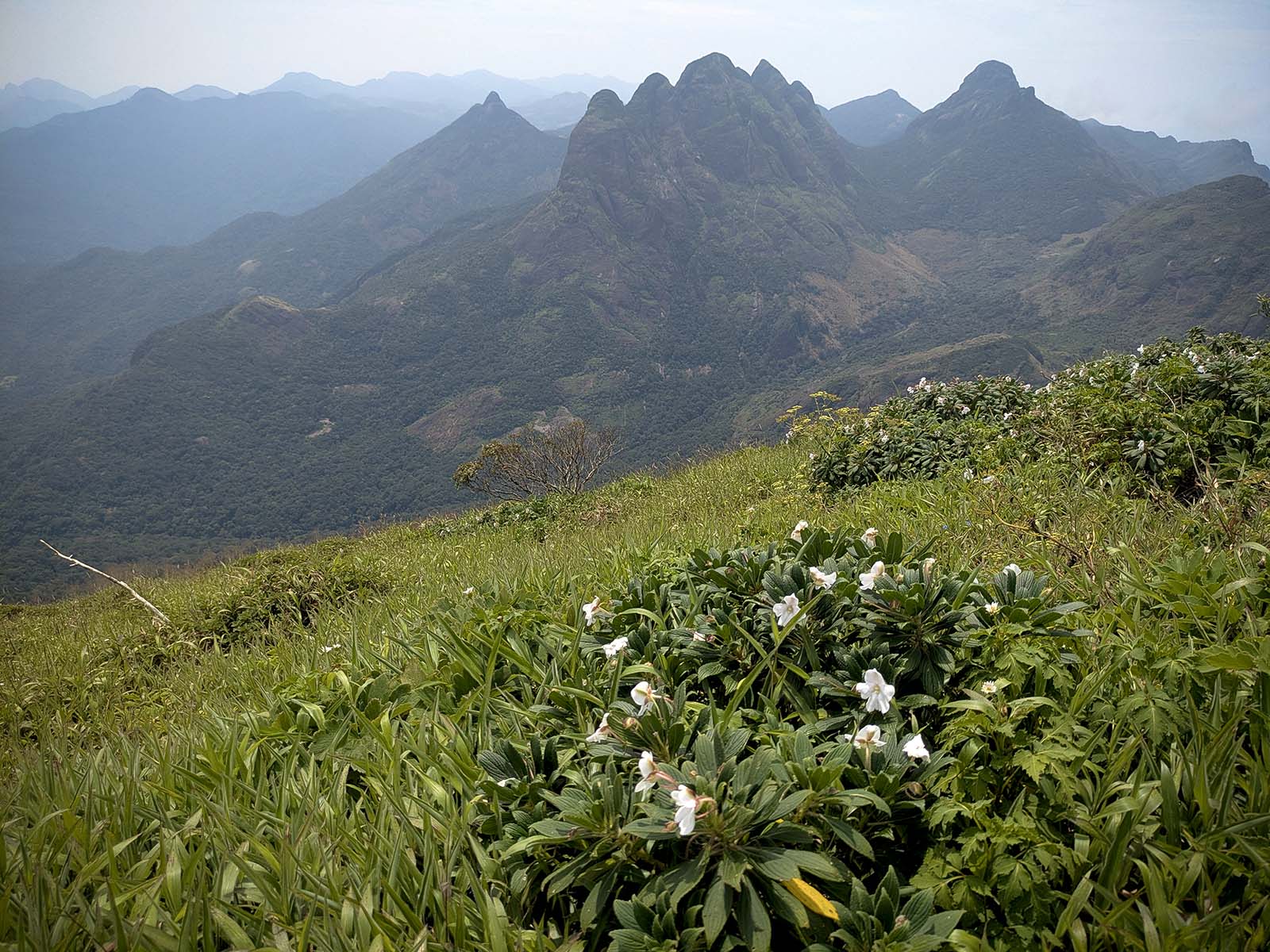
Like earlier attempts, this too was initially postponed due to unforeseen circumstances, and I thought, there goes the same story again! Fortunately, this time it actually happened.
The three-day program involved a total trek of approximately 44 km. For me, anything is fine as long as I am inside the forest. Unfortunately though, Mathi could not make it to the trek which meant that I am to go extra hard to find that elusive flower.
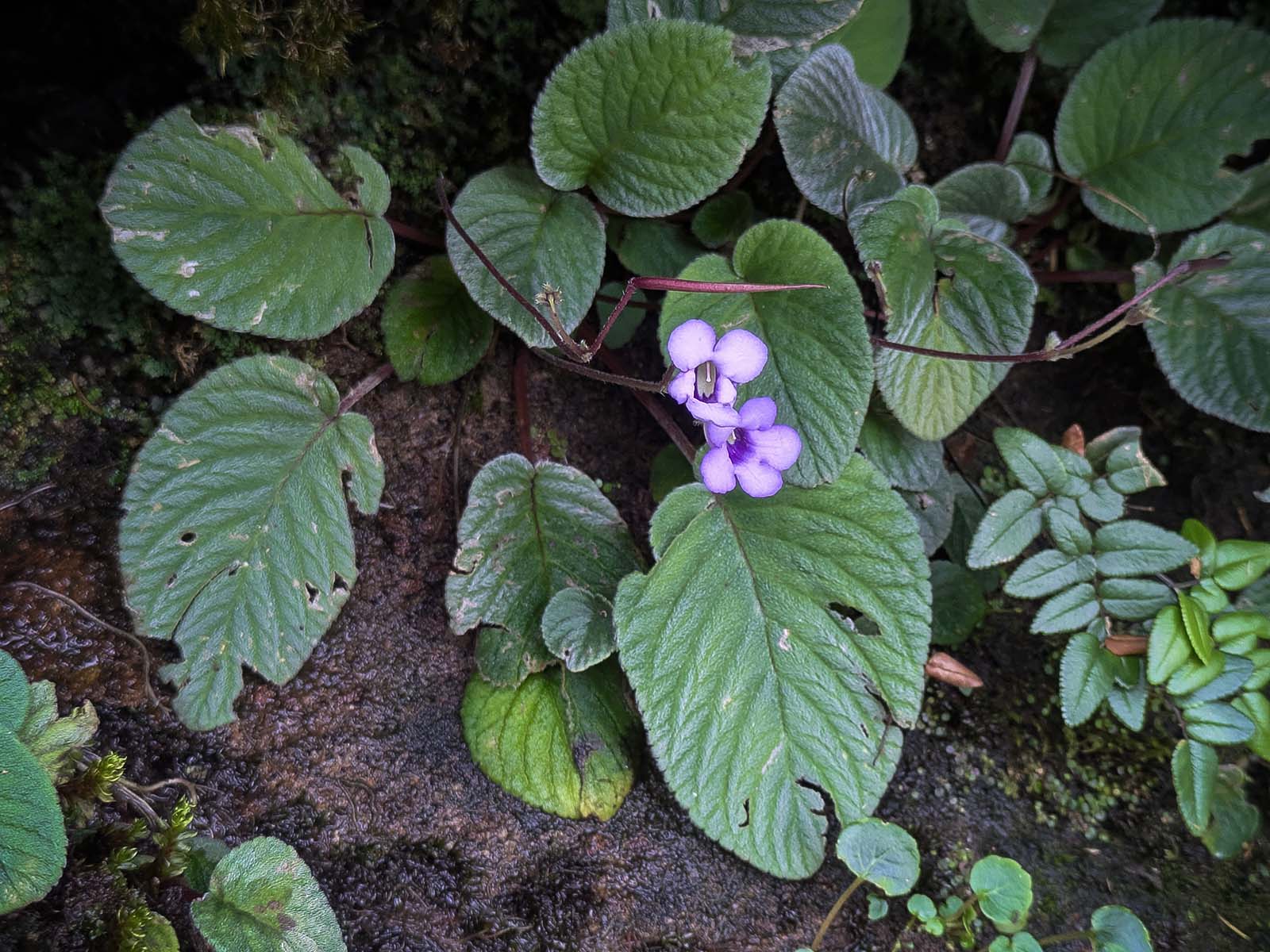
Now, I could write a typical blog post about how we got there, what the trail was like, where we slept, or what we ate—but I believe that would do an injustice to the place. Instead, I want to share the botanical wonderland that unfolded before my eyes. Although I can identify some plants on my own, the remaining identifications were done by Mathi through rigorous consultation with her friends. As we guessed, some of these species are endemic—found nowhere else in the world—and several are critically endangered.
While we are not botanists, we have spent more than 15 years searching for and documenting wildflowers wherever we travel. Based on that experience, I can say this place is truly special, and it felt somewhat disheartening to see it reduced to just another trek route.
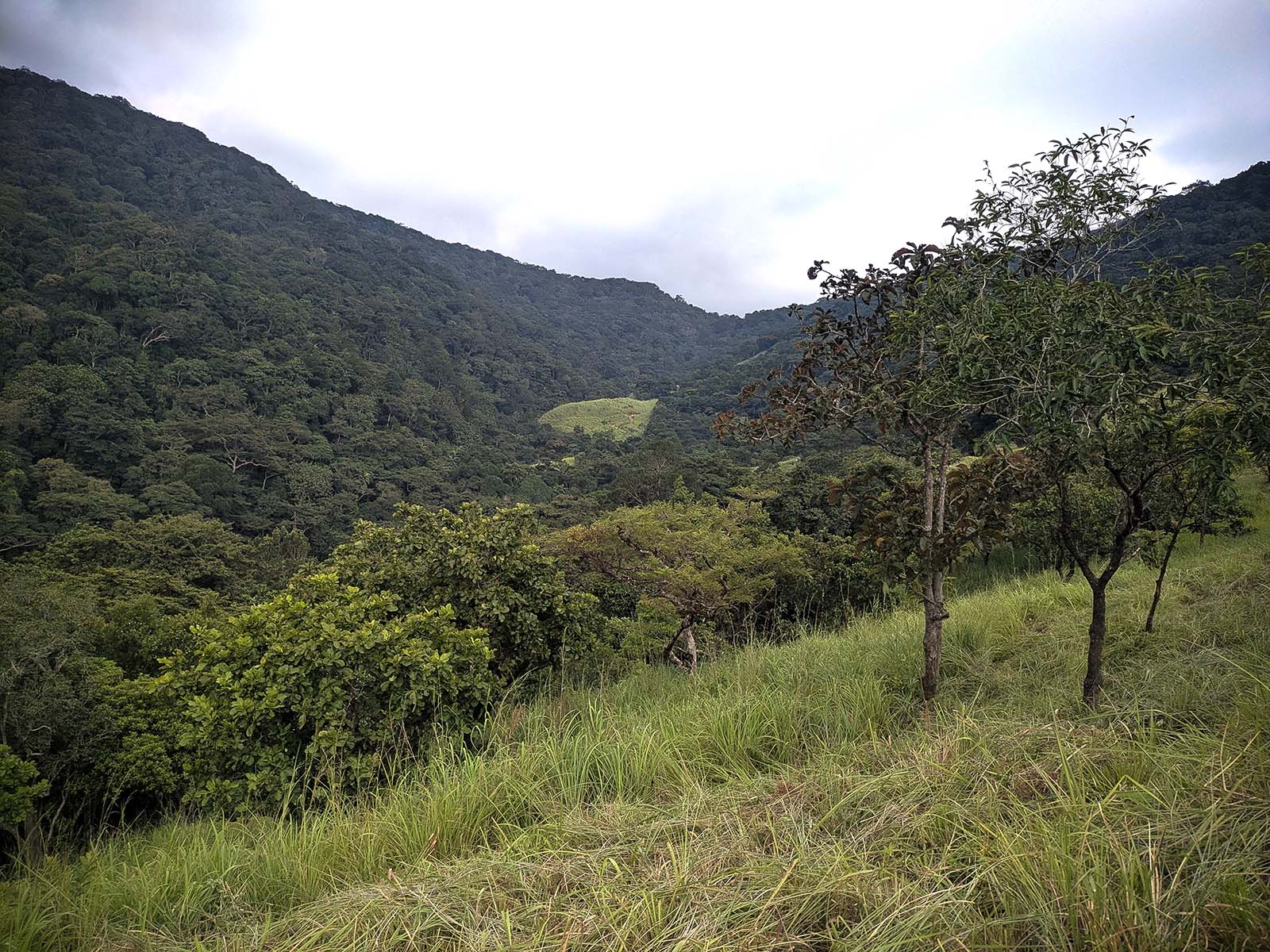
If you visit a location without knowing its true significance, it indicates a failure in the system. There was not a single signboard at Bonacaud—where we started the trek—explaining the importance of the Agastyamalai Biosphere Reserve. Is it really such a hard thing to do? We waited for a couple of hours for the trek to begin; having information displays during that time would have served as an inspiring introduction for everyone. Normally, reserves provide basic details about local birds or mammals, but here, there seemed to be nothing at all.
Even more disappointing is the lack of online reference material, even for those actively interested in the flora of Agastyamalai. We assumed there would be a wealth of content available, but sadly, even the few existing research papers fall painfully short.
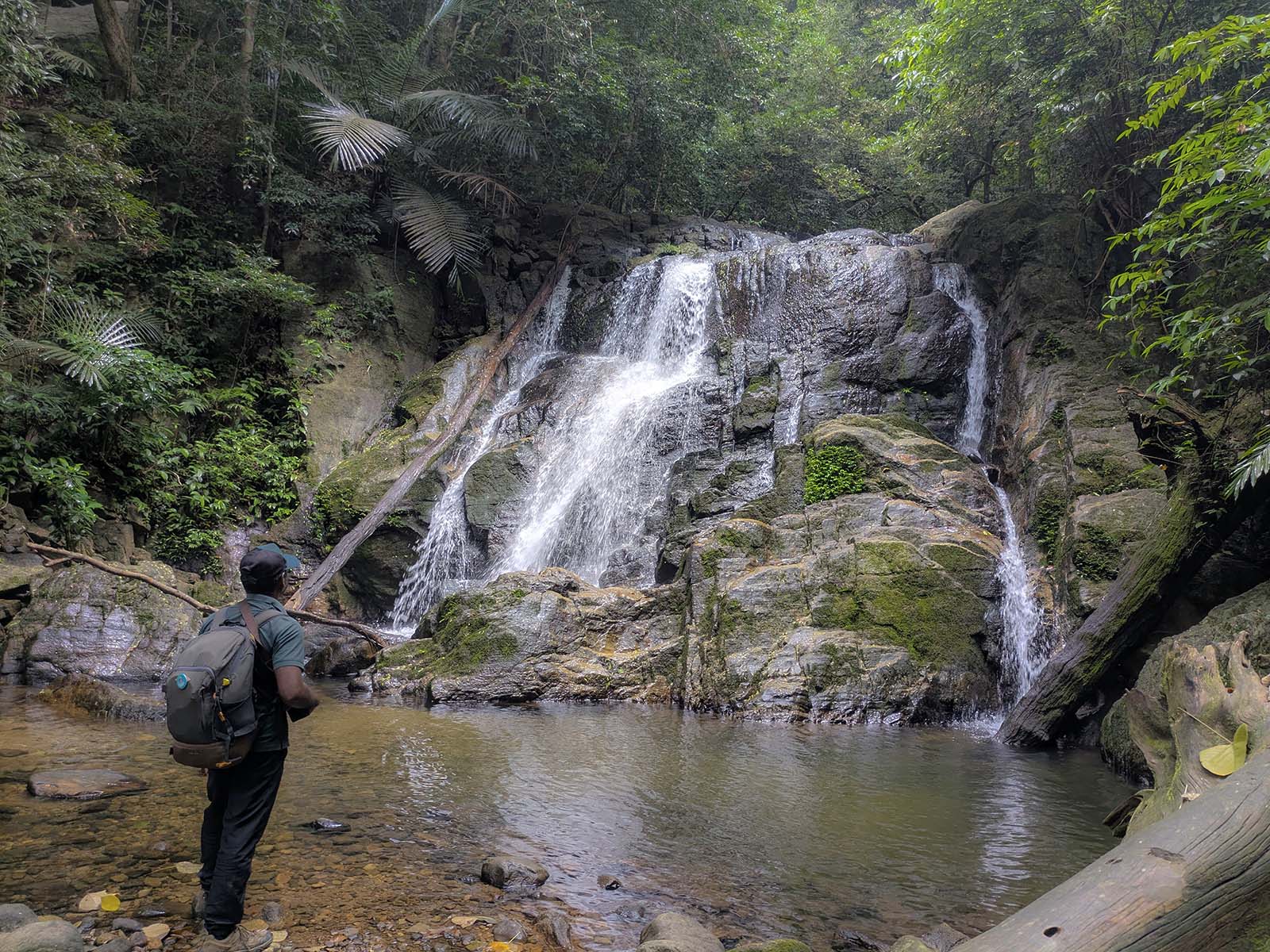
The trek as a whole was satisfying indeed. There was one waterfall after another and the elevation change meant that different flora kept on changing through out the trek.
The lower elevation forest was a disturbed forest in the sense that there were quite some invasives like Koster’s curse(Miconia crenata) taking over some sections. This was initially disappointing for me because I expected this place to be untouched and pristine. With so much footfall I should have expected invasives just like another forest. As I proceeded, it was a refreshing change with more pristine native vegetation taking over. As I neared the camp shed, the final ascent after the grassland, had nice diversity of impatiens and orchids. For many trekkers, this section may simply have been another steep climb, but for a plant enthusiast it was impossible not to pause every few meters.
The true botanical spectacle, however, awaited us on the second day’s ascent to the summit. Diversity increased steadily with elevation, reaching its peak in the final stretch where the trail became so steep that ropes had been fixed to assist climbers. While the rope-assisted climb was undoubtedly an adventure, my attention was firmly fixed elsewhere. On either side of the route grew a remarkable assortment of plants, many of them adapted to the unique conditions of these mist-laden highlands. As others concentrated on securing their footing and reaching the top, I found myself constantly distracted by the vegetation, stopping whenever possible to photograph yet another fascinating species.
In the end, the climb itself became secondary. The real reward was not the summit, but the extraordinary diversity of plants that lined the way.
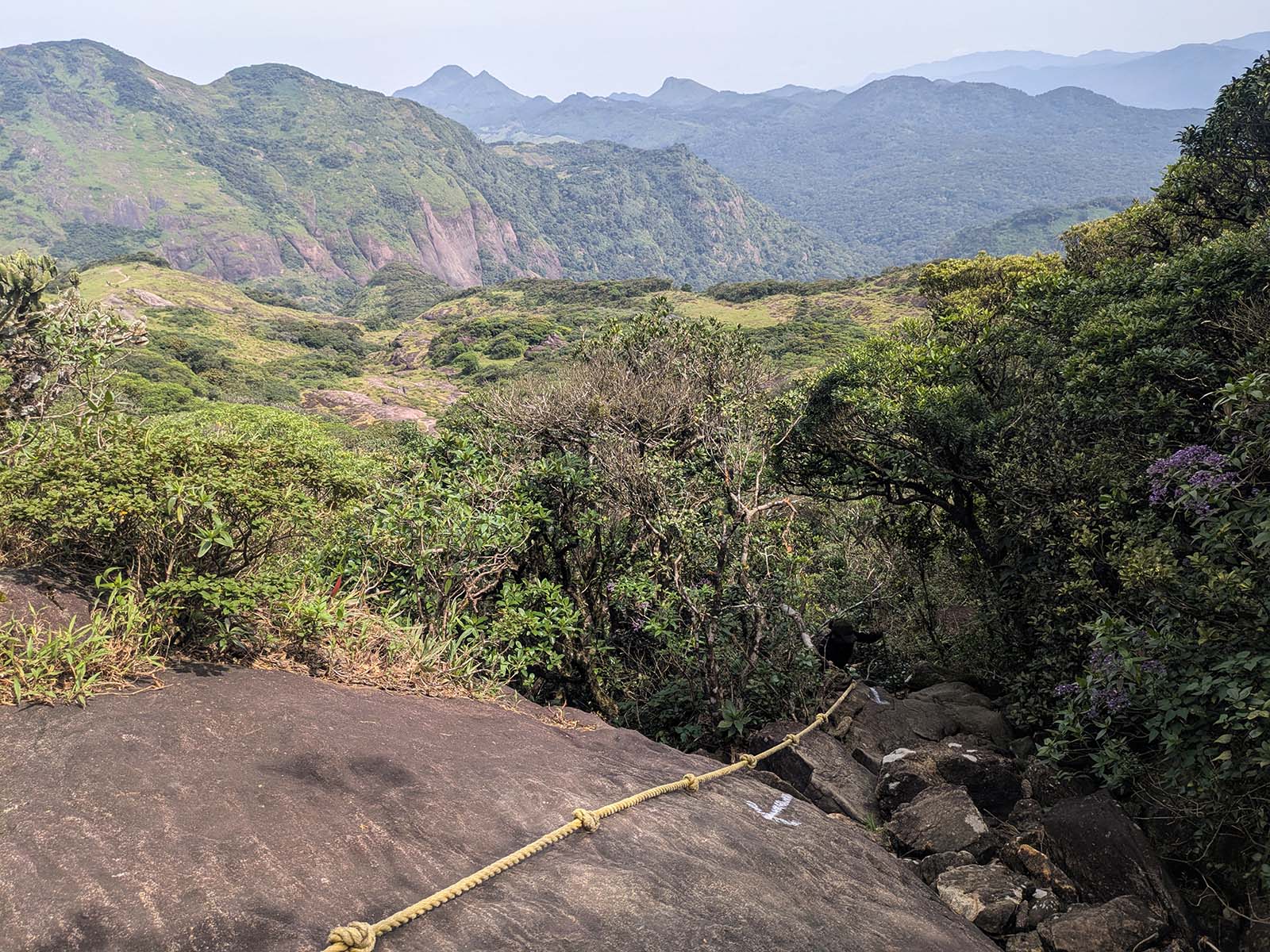
By the time I reached the summit, I had very little time left to spend there. Most of my ascent had been devoted to photographing every interesting plant, flower, and scene I encountered rather than hurrying to the top. I hardly gave a second thought to identifying the plants at the time—it was simply a matter of photographing them and moving on, occasionally calling my fellow trekkers over to admire an especially striking flower. After capturing so many beautiful blooms, my mind was already overflowing with images, and the task of identifying them all was beginning to feel overwhelming.
Identifying flowers is much trickier than identifying birds or butterflies. When plants are not in bloom, they blend into a sea of green—or worse, become something people simply trample on. But for avid flower lovers like us, even the vegetative state is just magic waiting to happen. We take it upon ourselves to revisit these spots and wait for the plants to bloom. For this exact reason, we return to the same places repeatedly just to see a single flower, much like birders seeking an elusive bird.
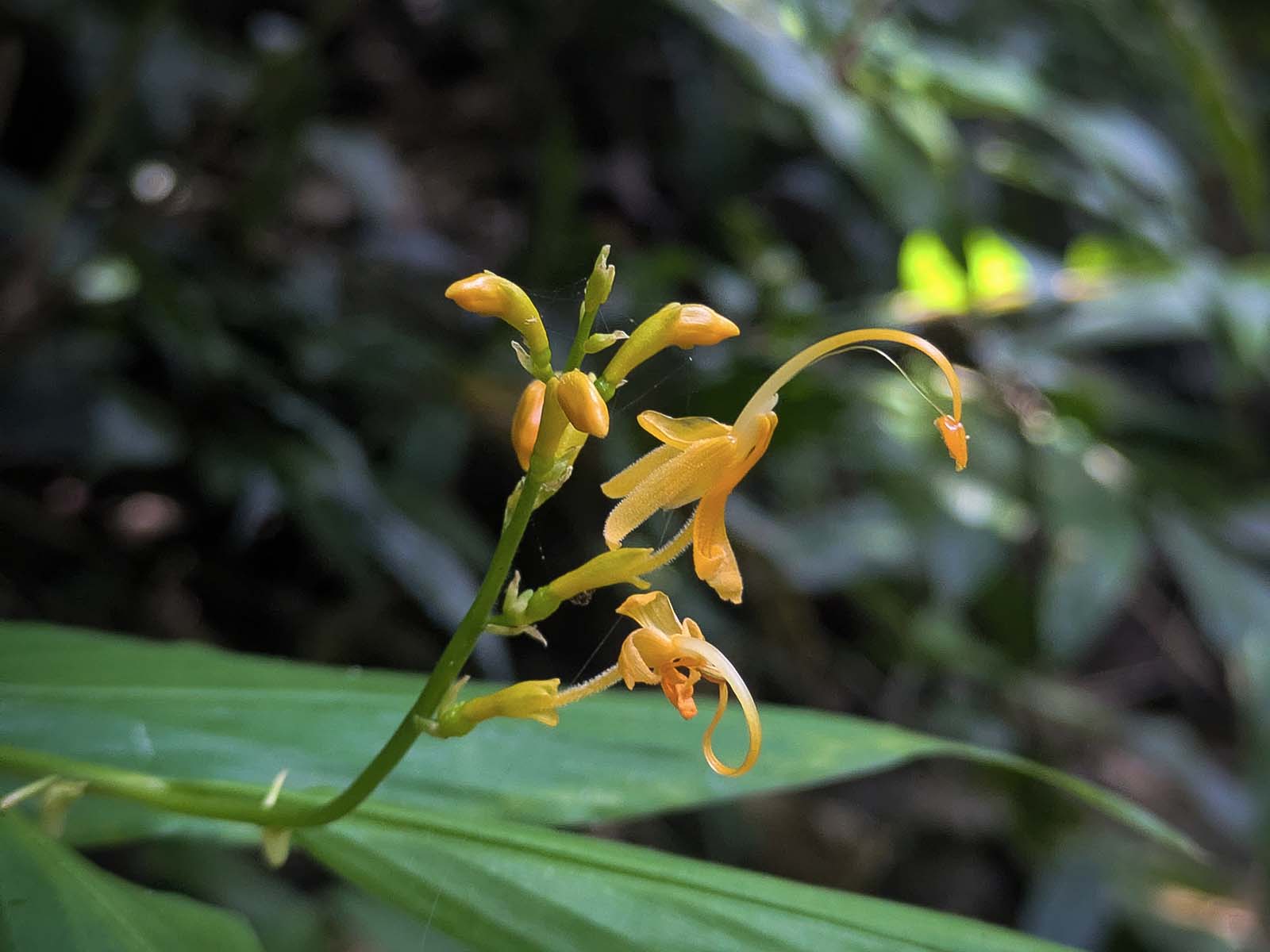
By the end of the trek, I had photographed well over a 100 different flowers—an outcome that exceeded all my expectations. Yet, according to the forest guides, I had arrived before the mountains truly put on their grand floral display. The peak flowering season occurs during October and November, when the slopes and forest edges are said to burst into colour. Naturally, that has left me wanting to return. Unfortunately, another visit will have to wait until a future season. The thought of exploring these hills during peak flowering time is exciting enough, but I am equally intrigued by the prospect of visiting during the so-called off-season.
What many visitors overlook is that the off-season can often be the most rewarding time for plant enthusiasts. Several species are adapted to flower during the drier months and may be completely absent during the peak blooming period. While the overall number of flowers may be lower, the species encountered are often far more distinctive—plants that can only be seen during a brief window of the year and nowhere else in the flowering calendar.
Below are some of the flowers photographed during the trek, along with their identifications. This post is very much a work in progress. As more photographs are identified and as future visits reveal additional species, I intend to update it regularly. After all, a landscape like this cannot be understood in a single visit; each season reveals a different chapter of its botanical story.
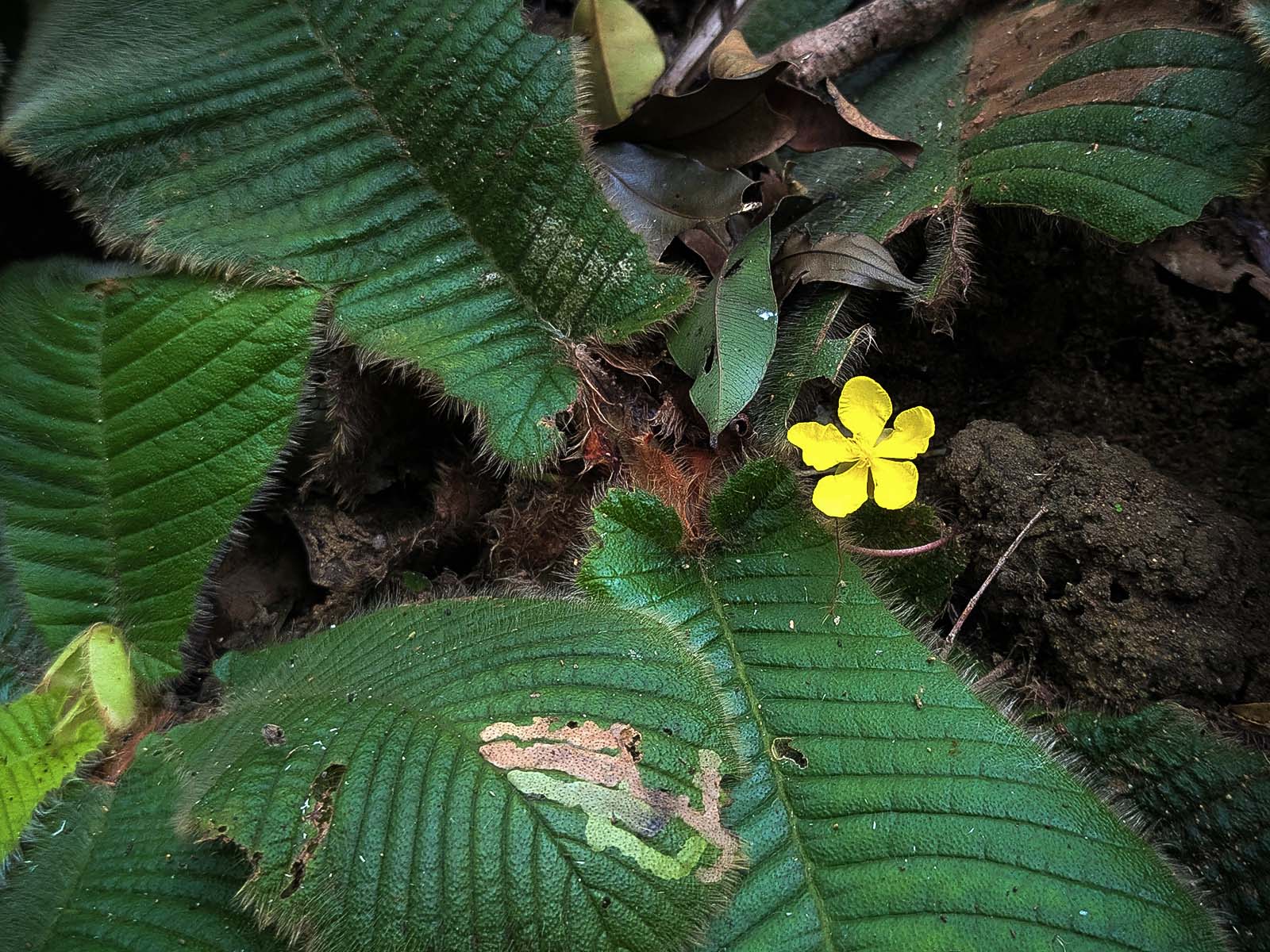
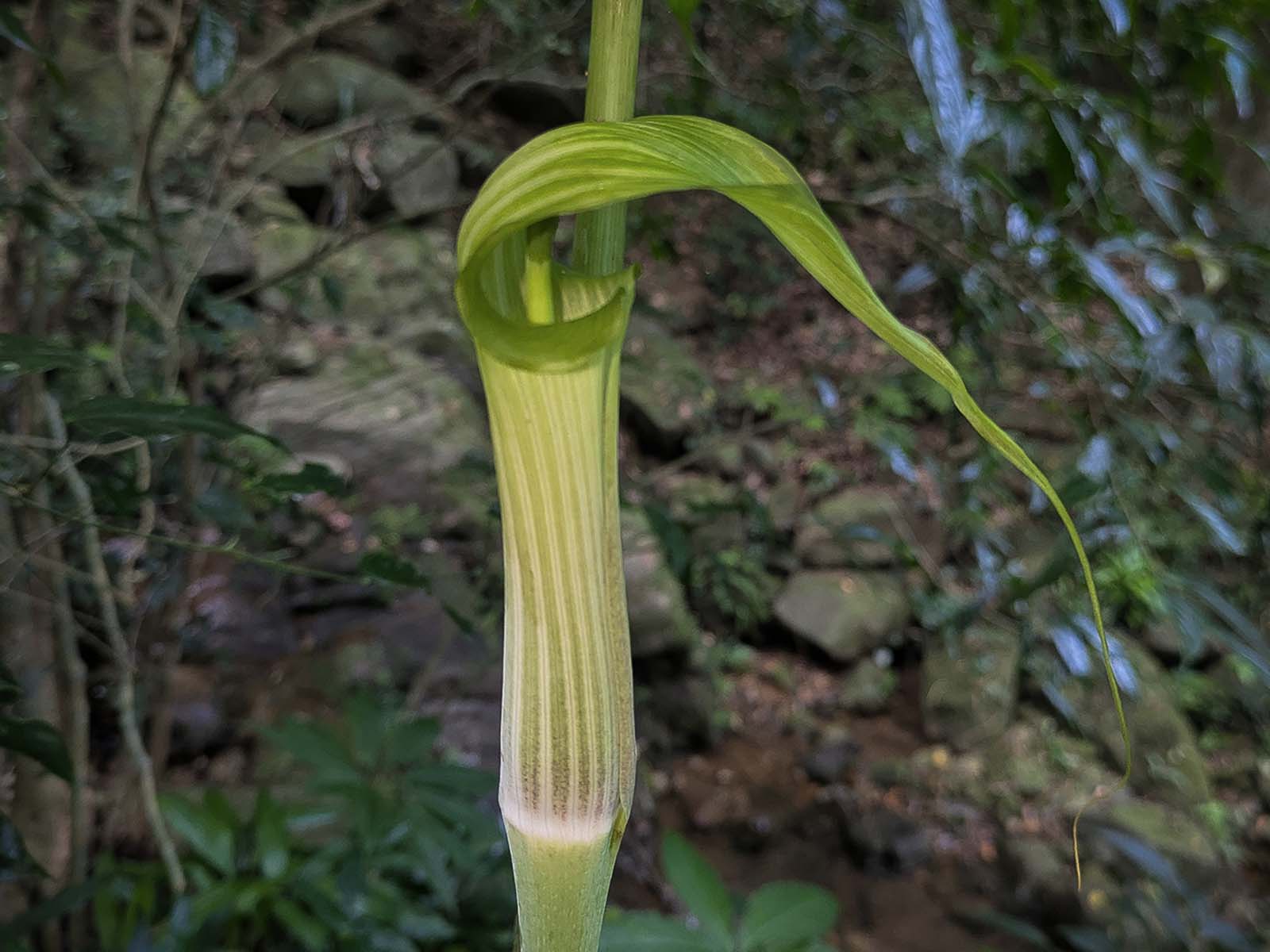
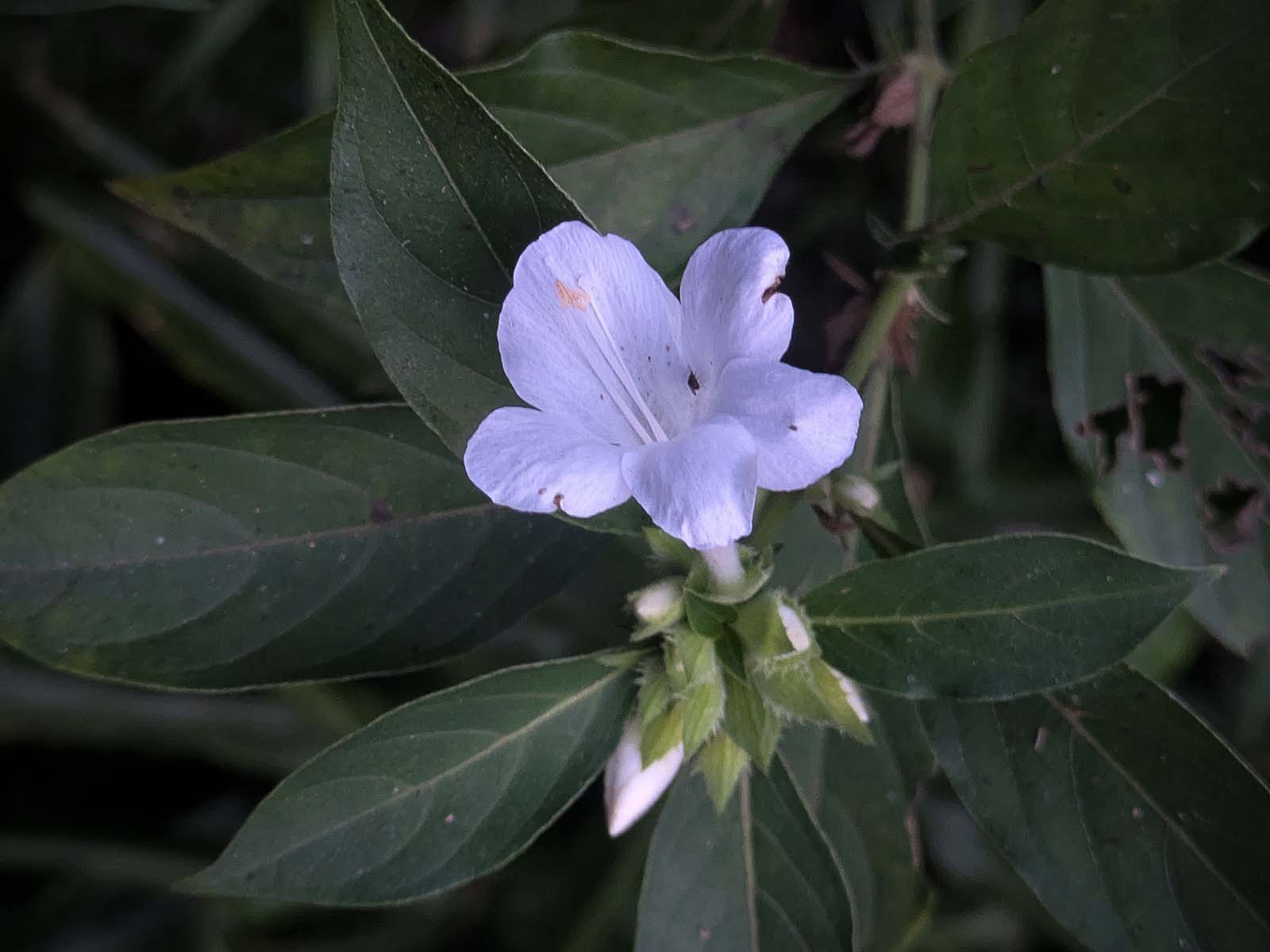
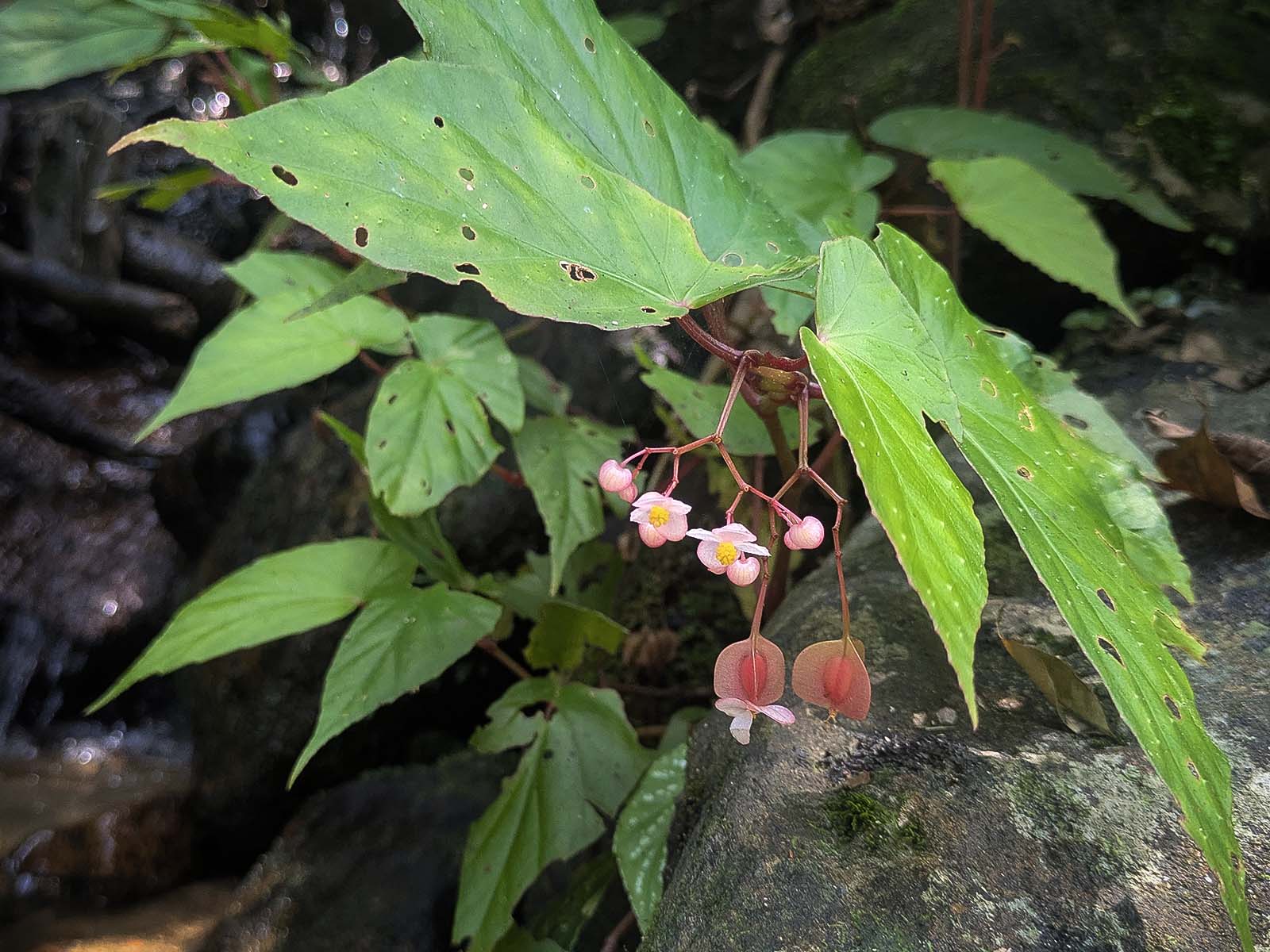
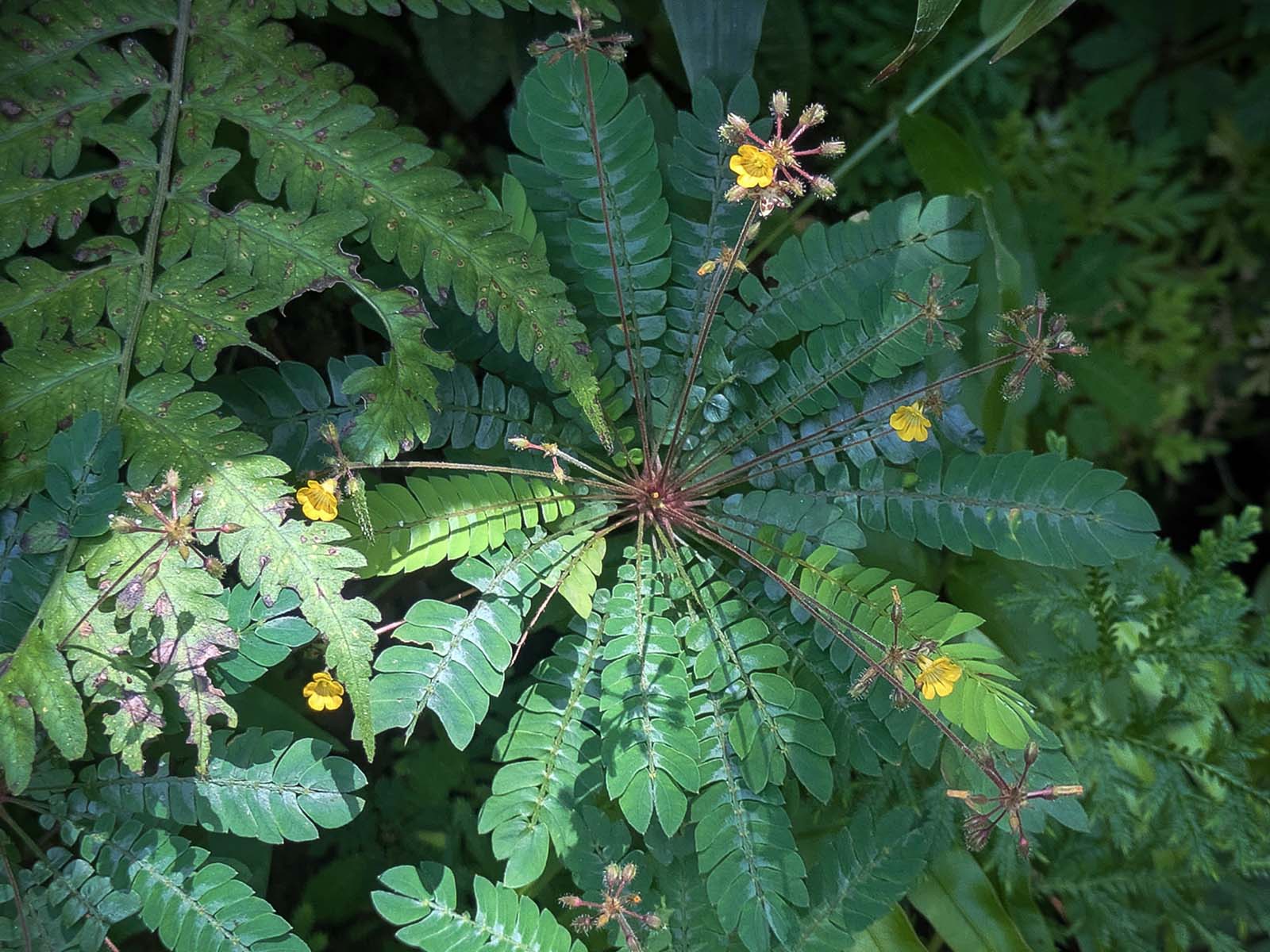
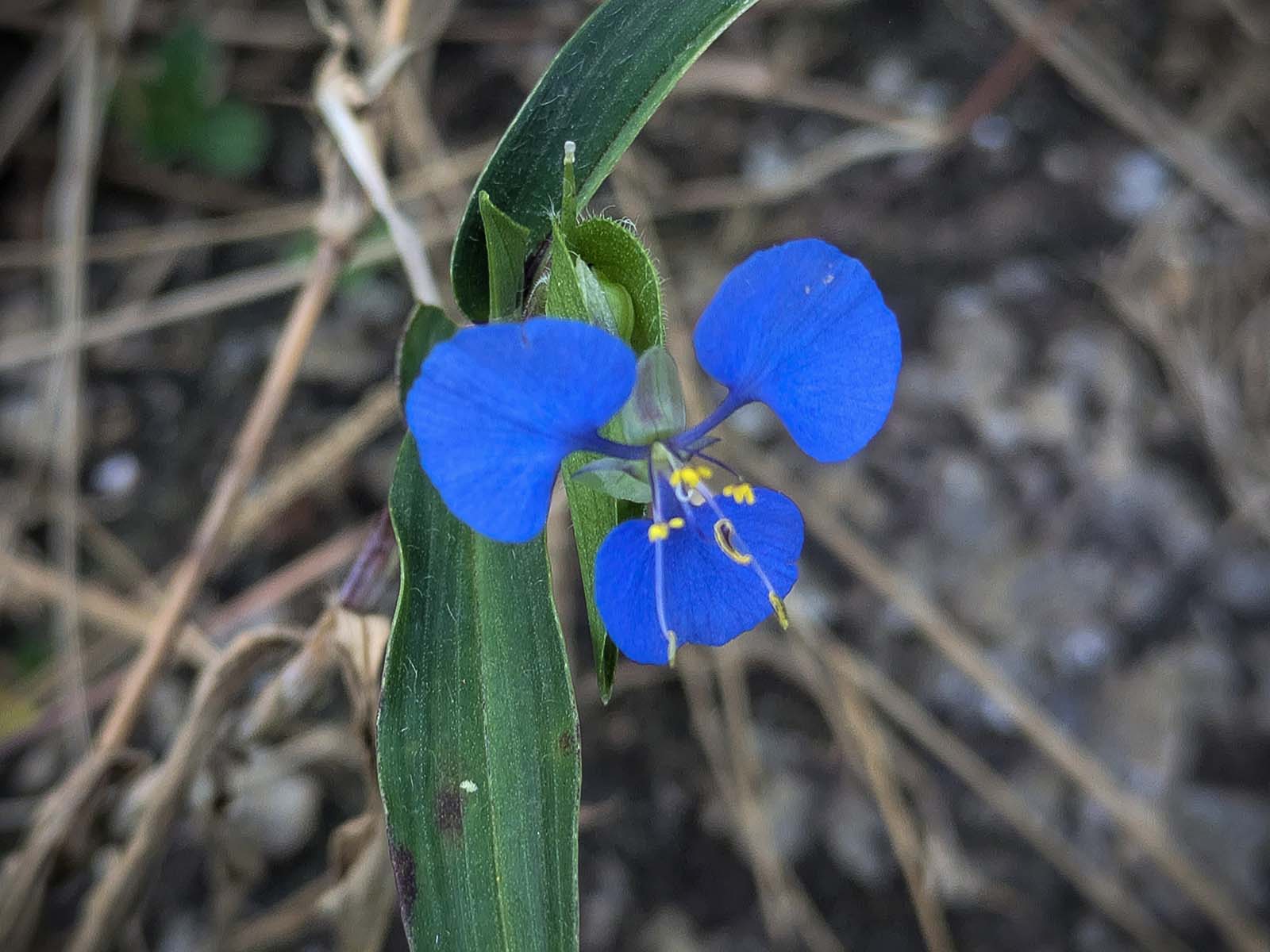
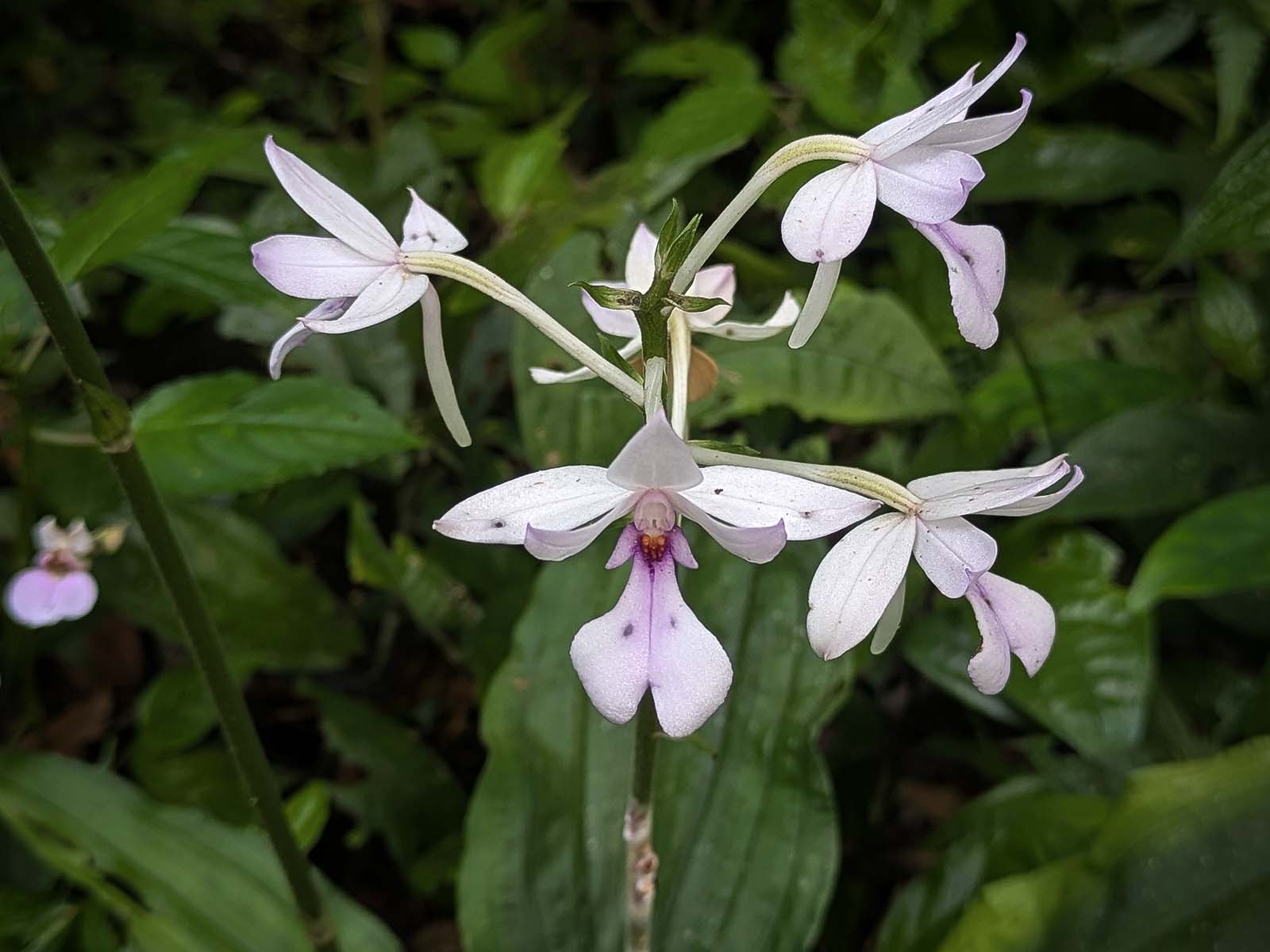
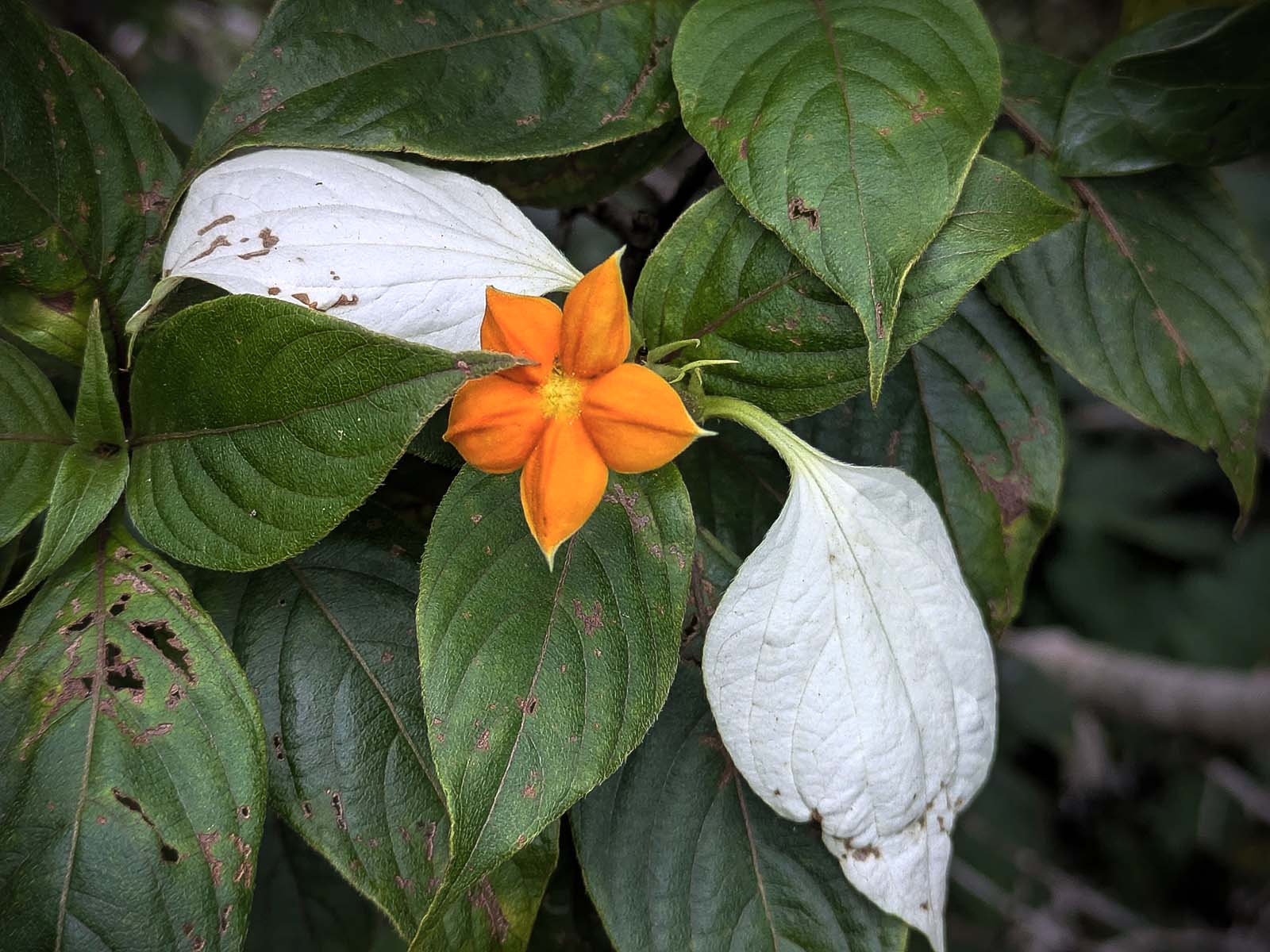
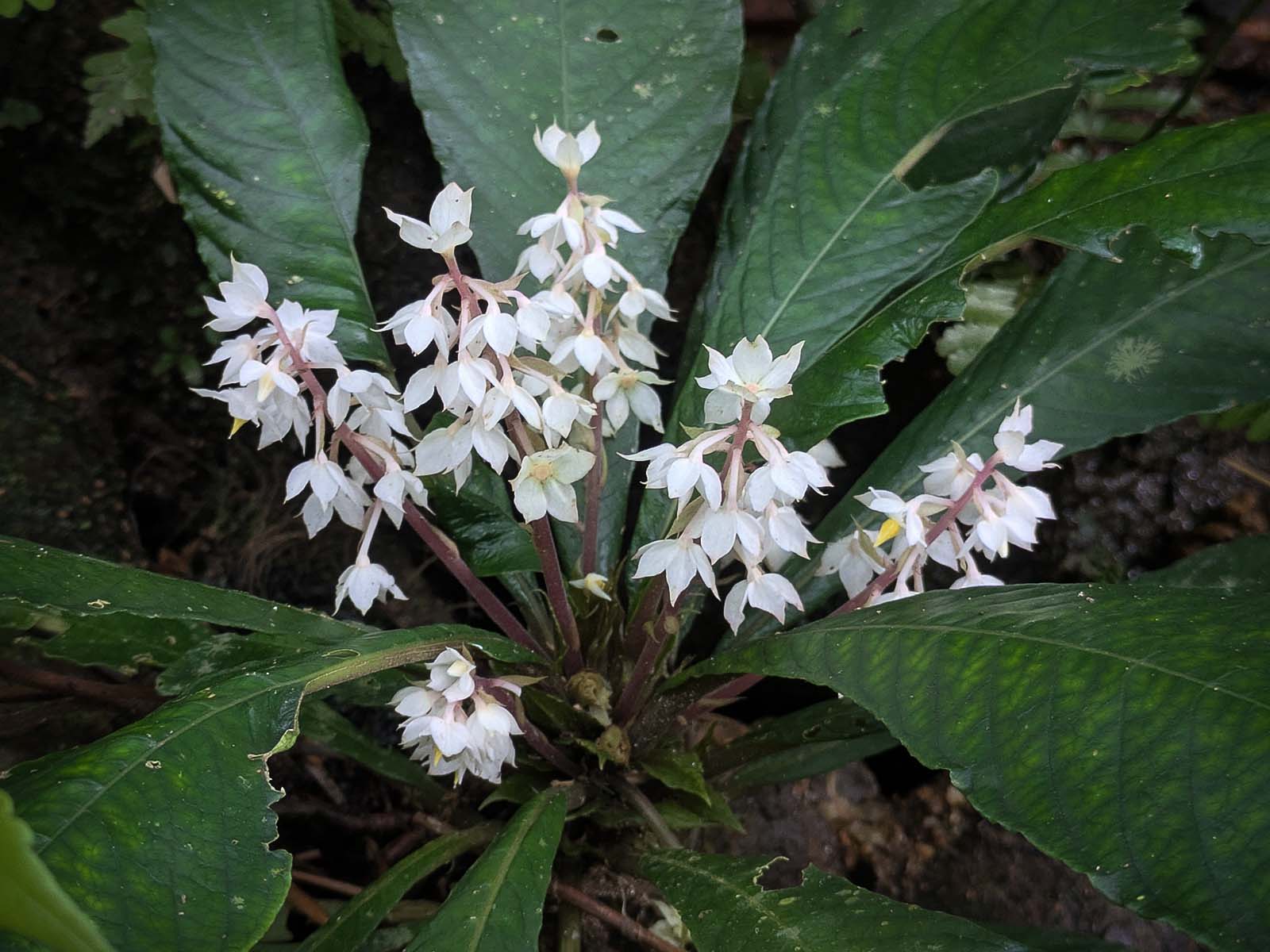
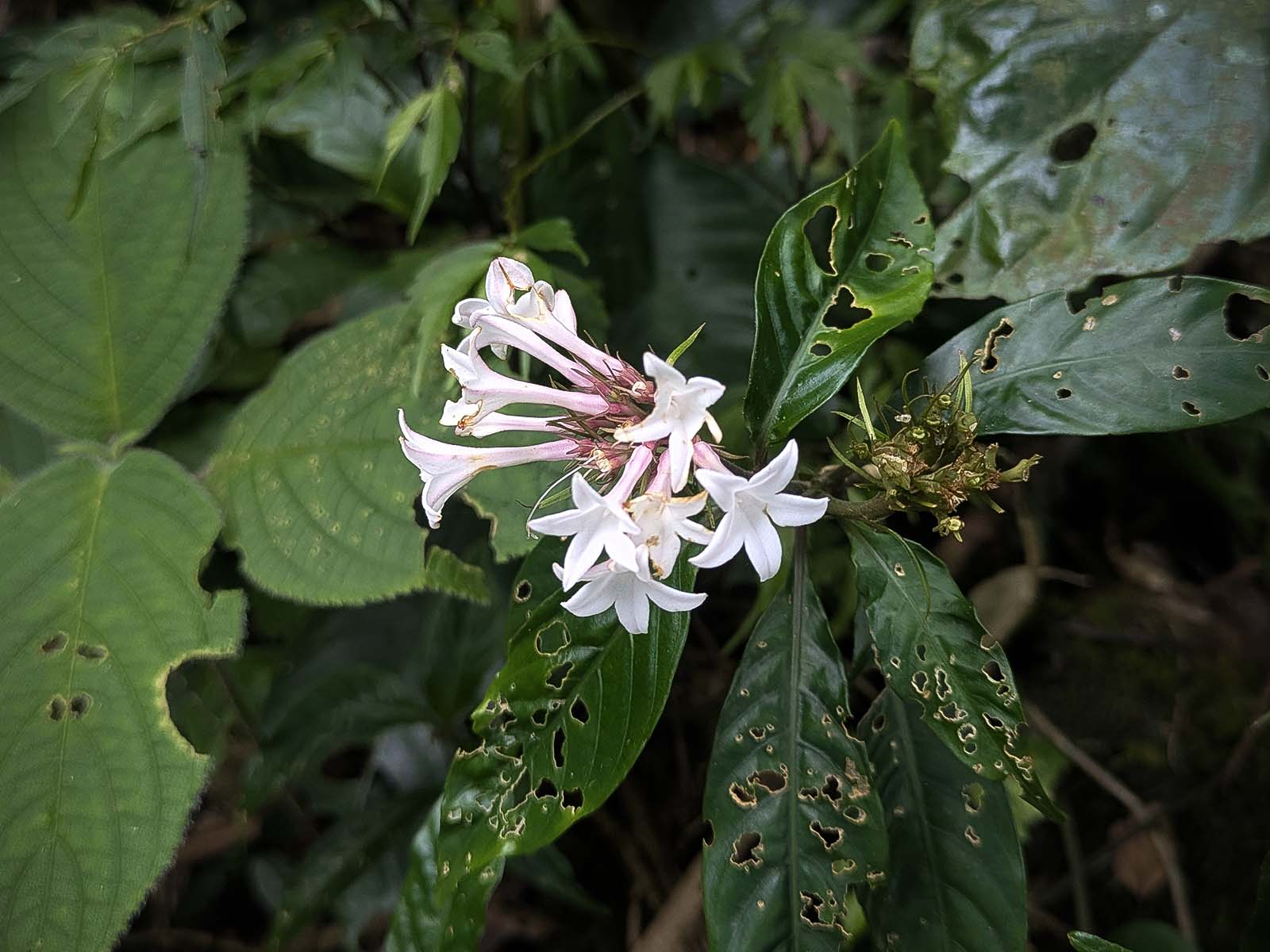
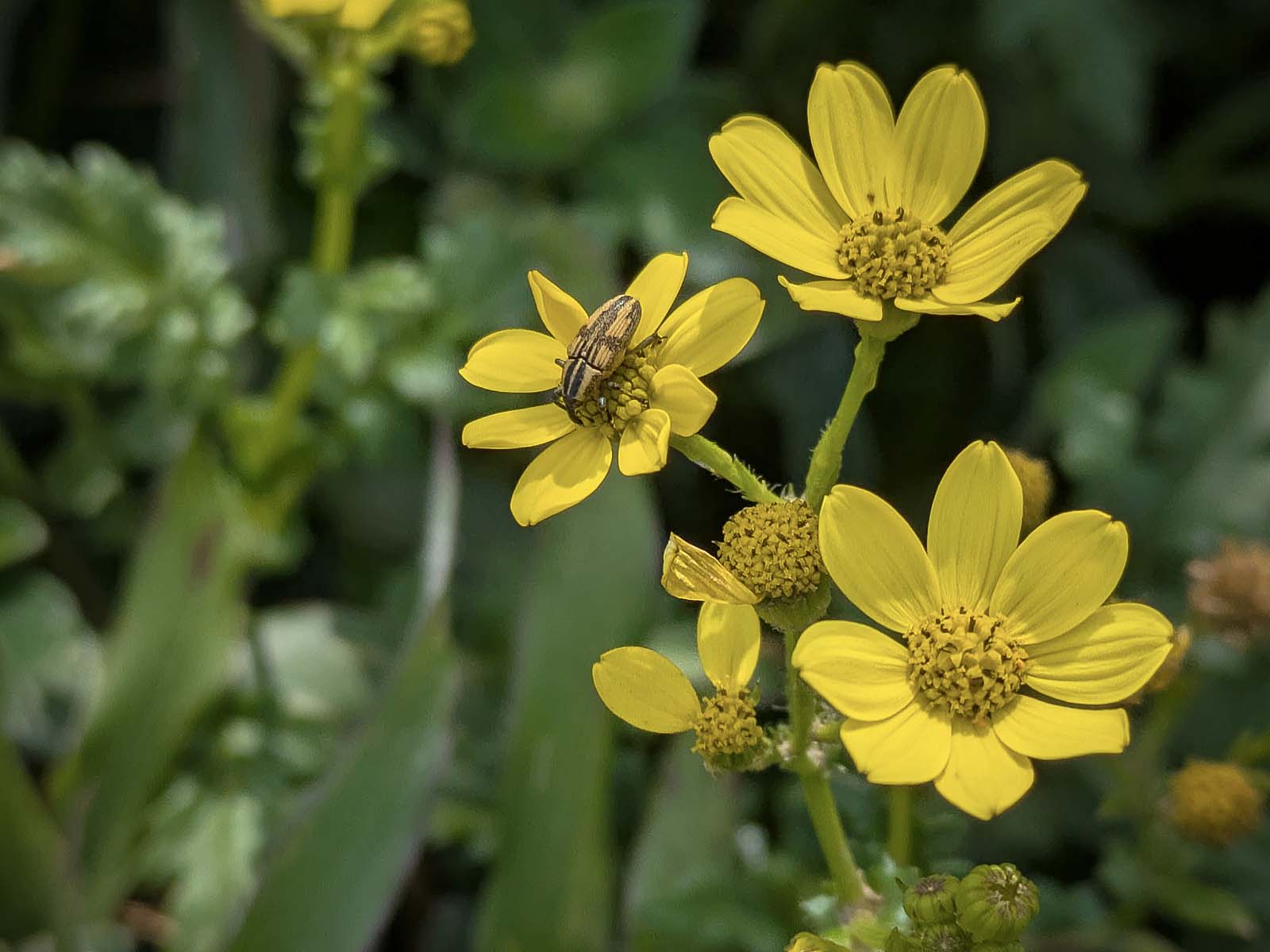
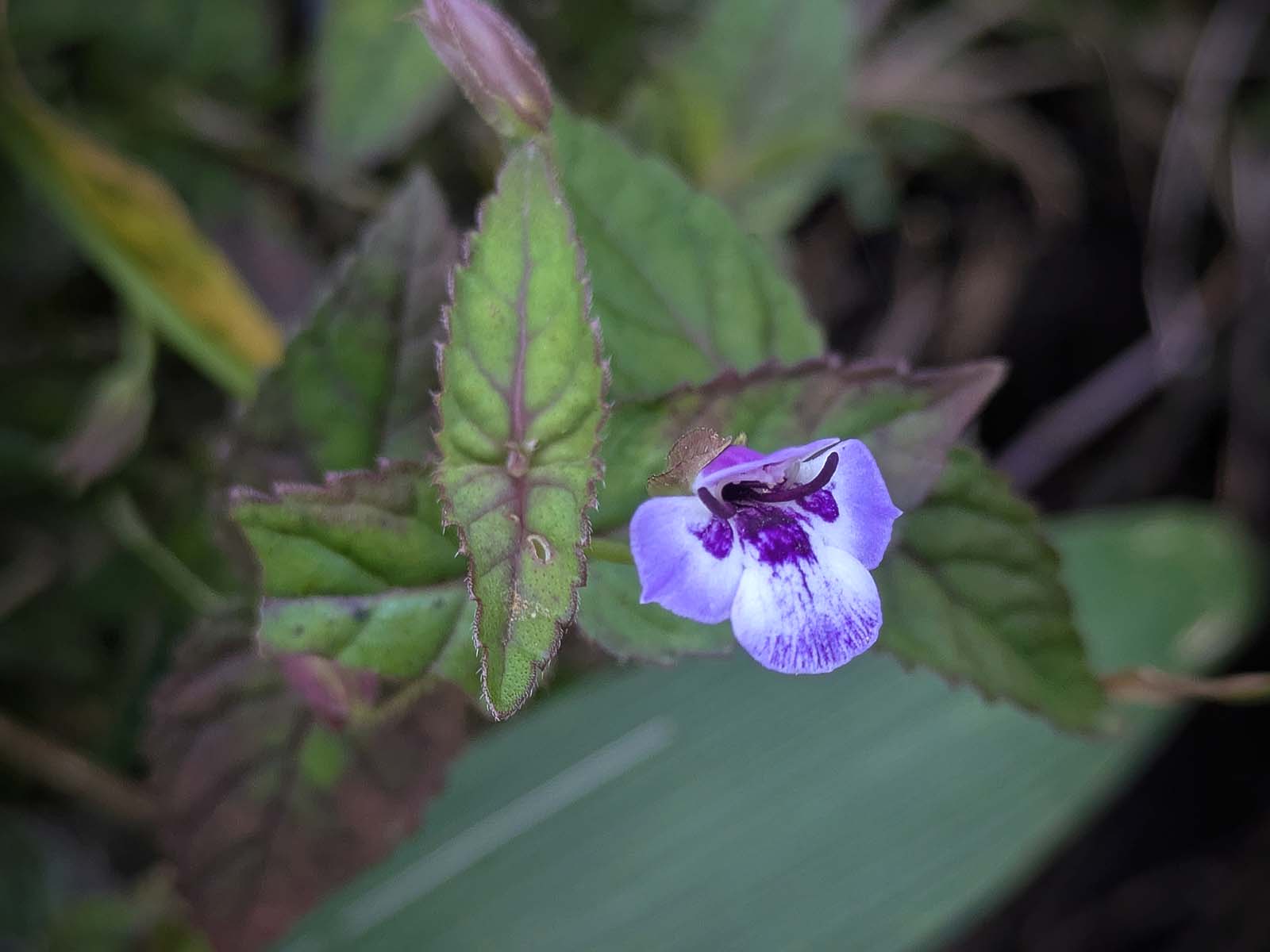
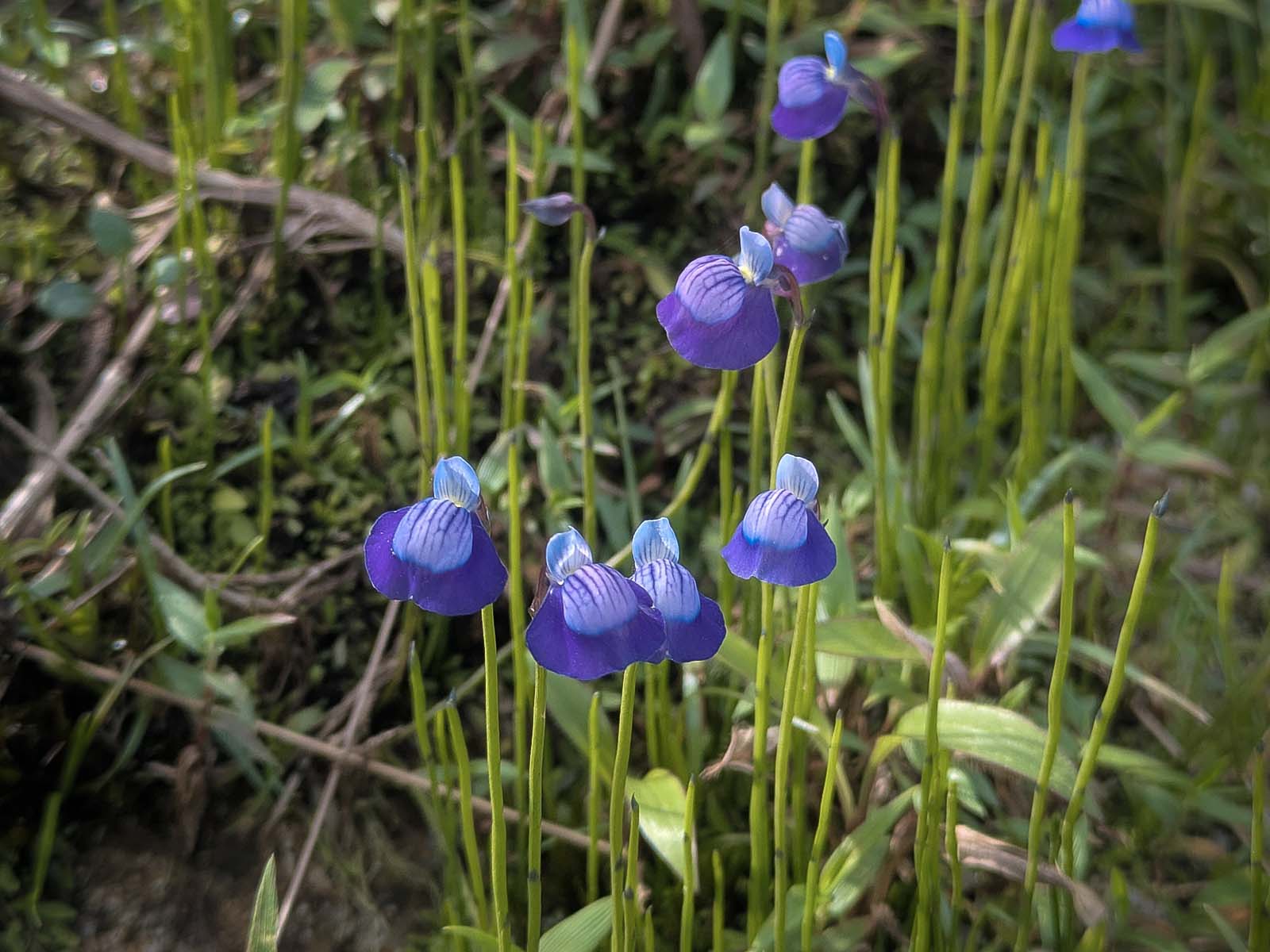
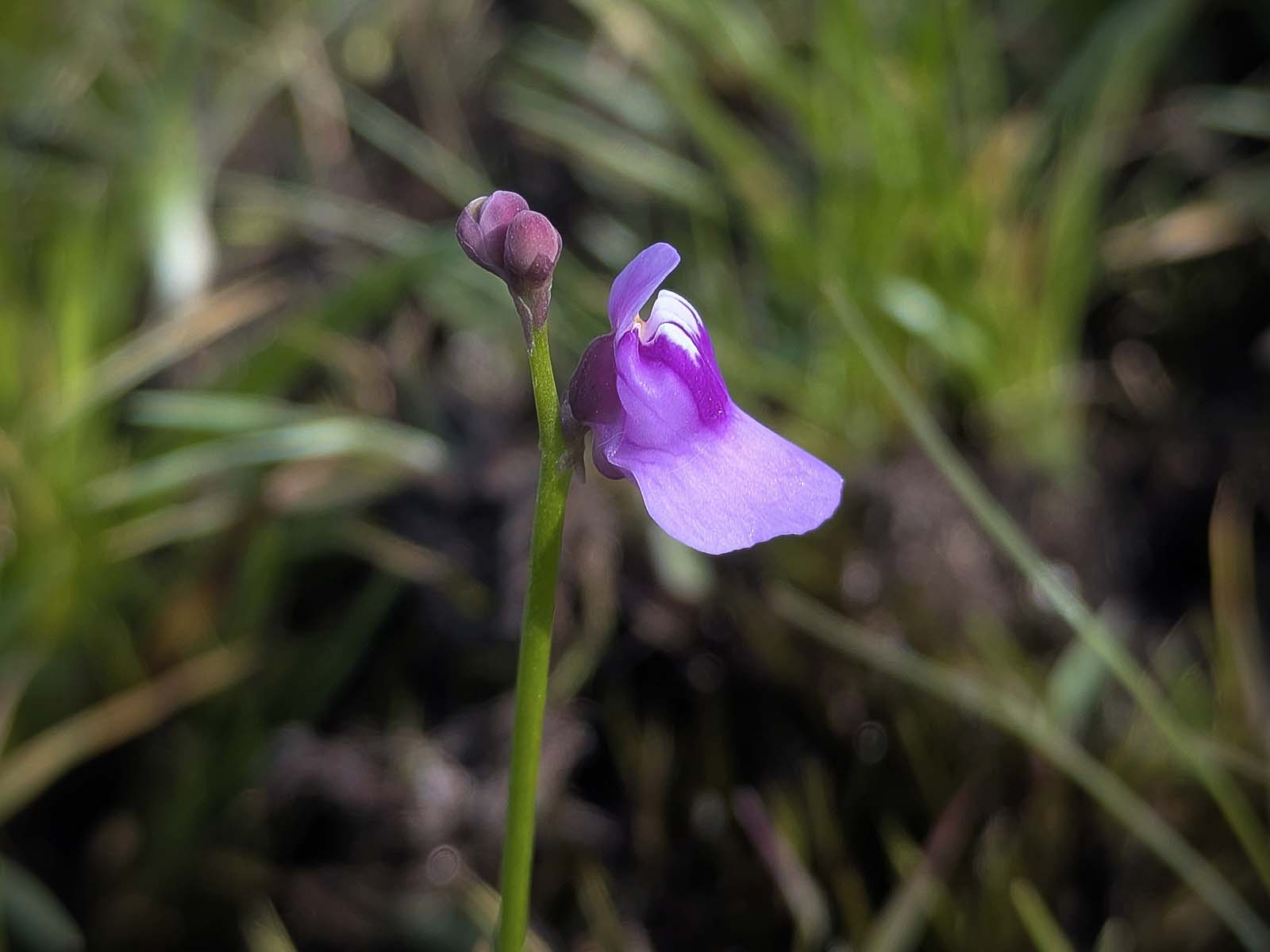
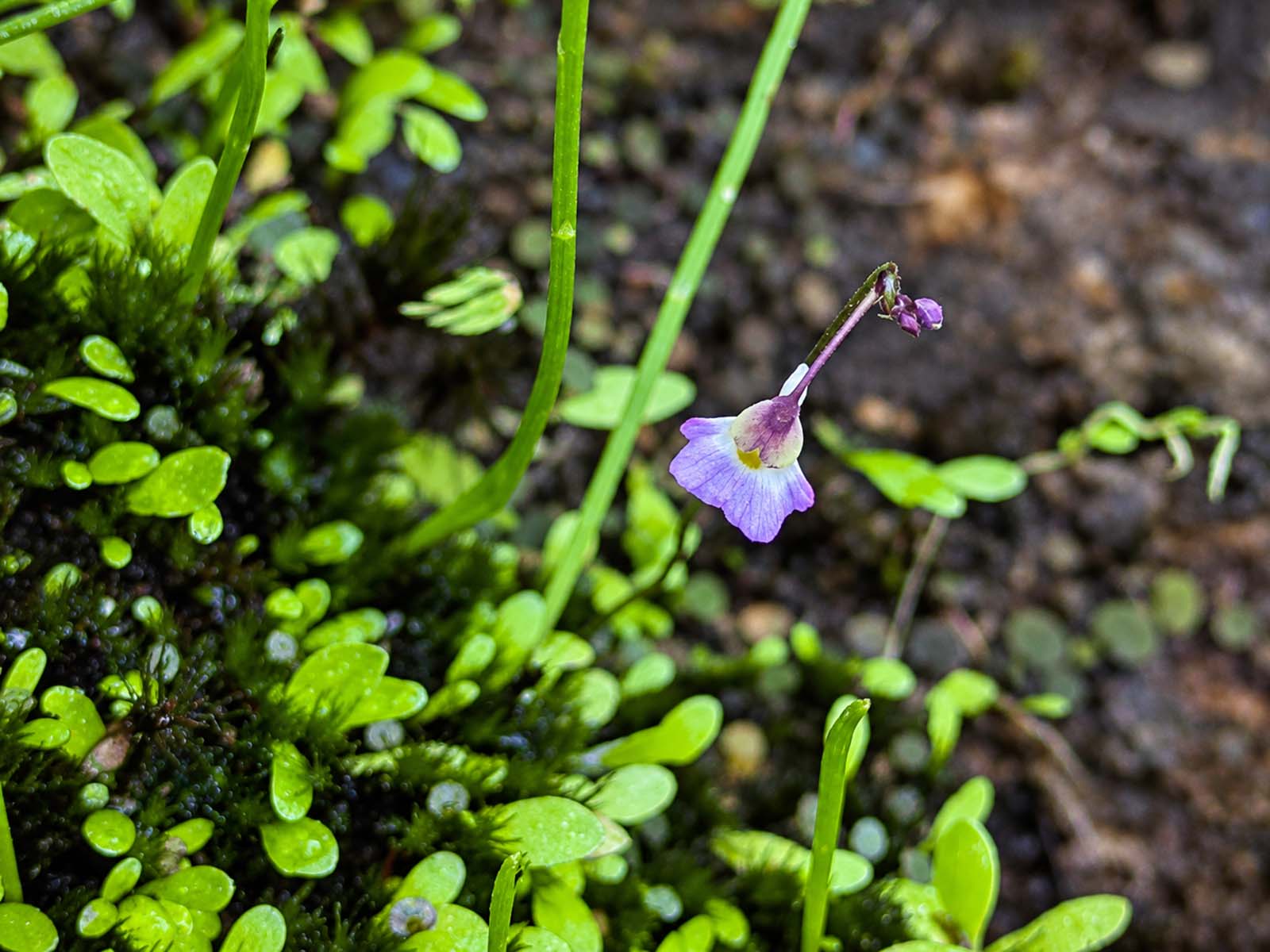
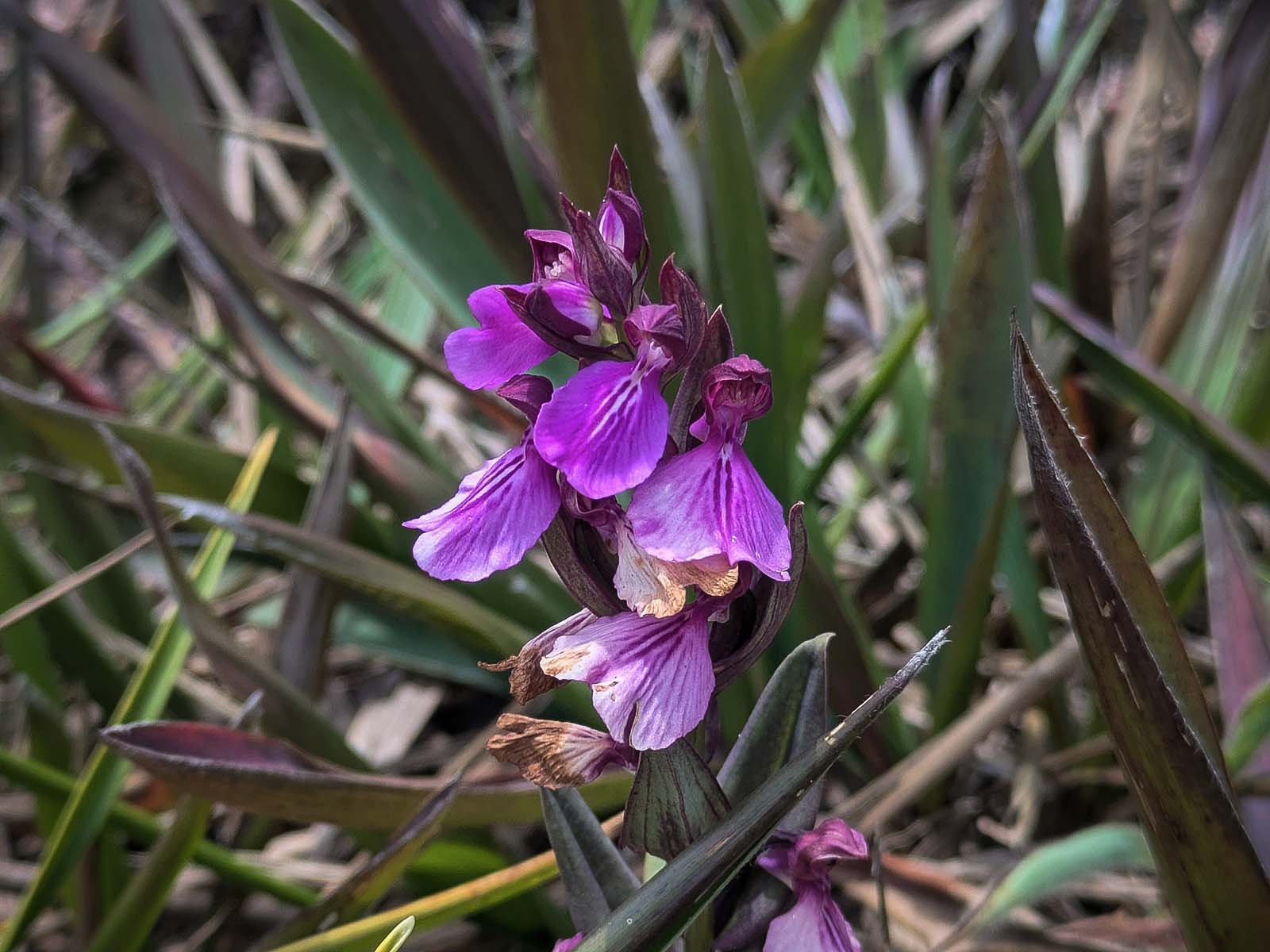
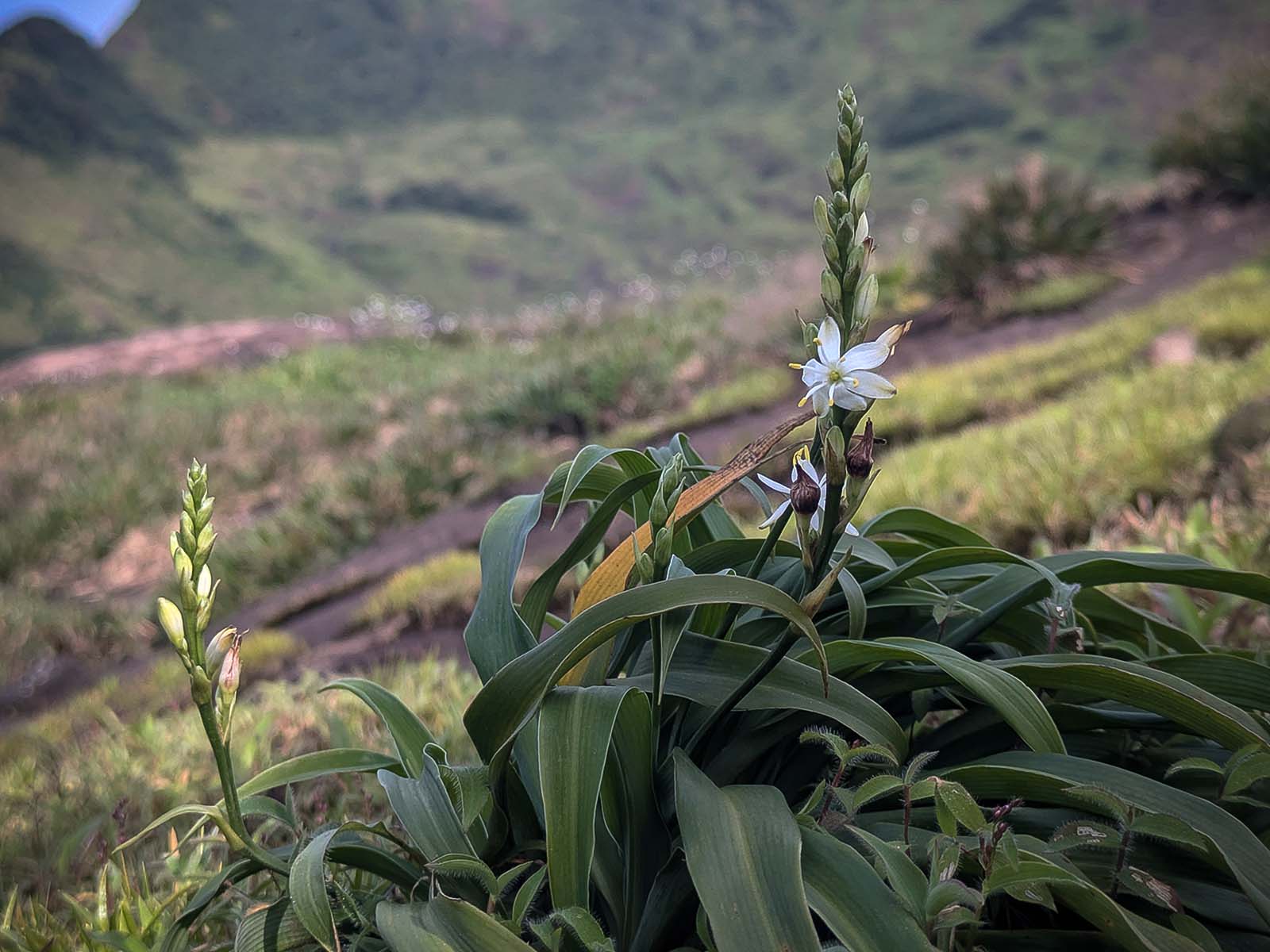
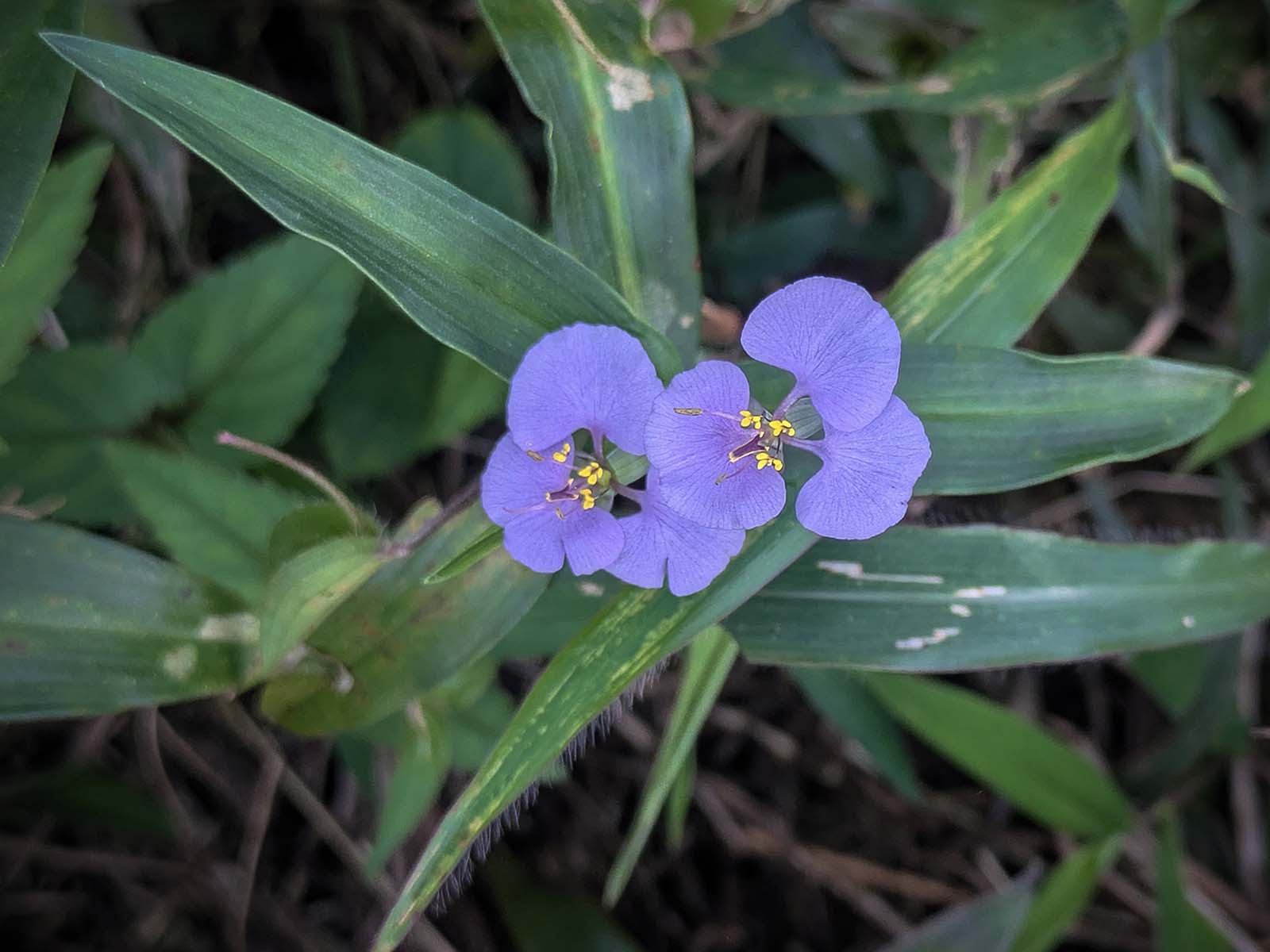
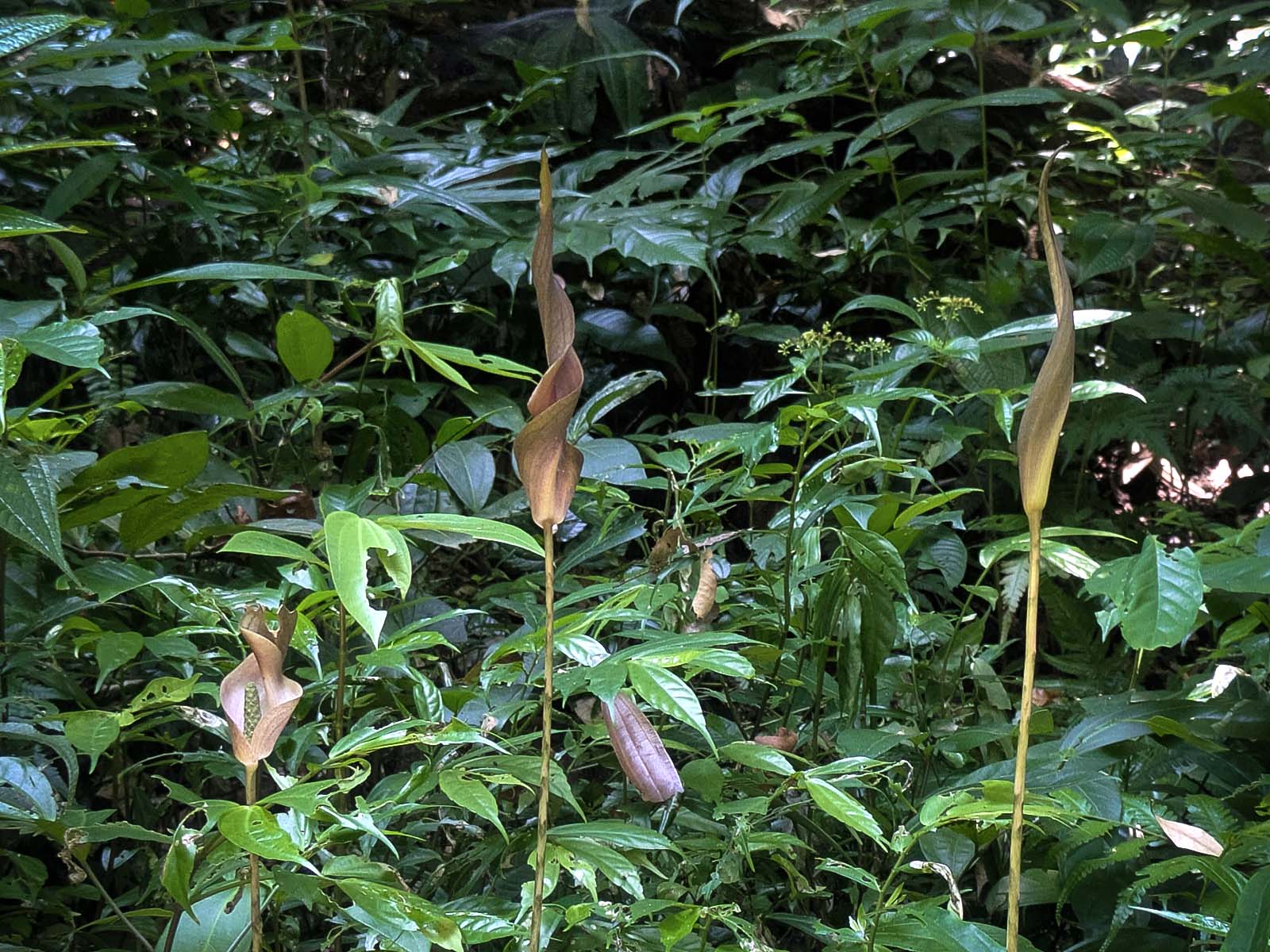
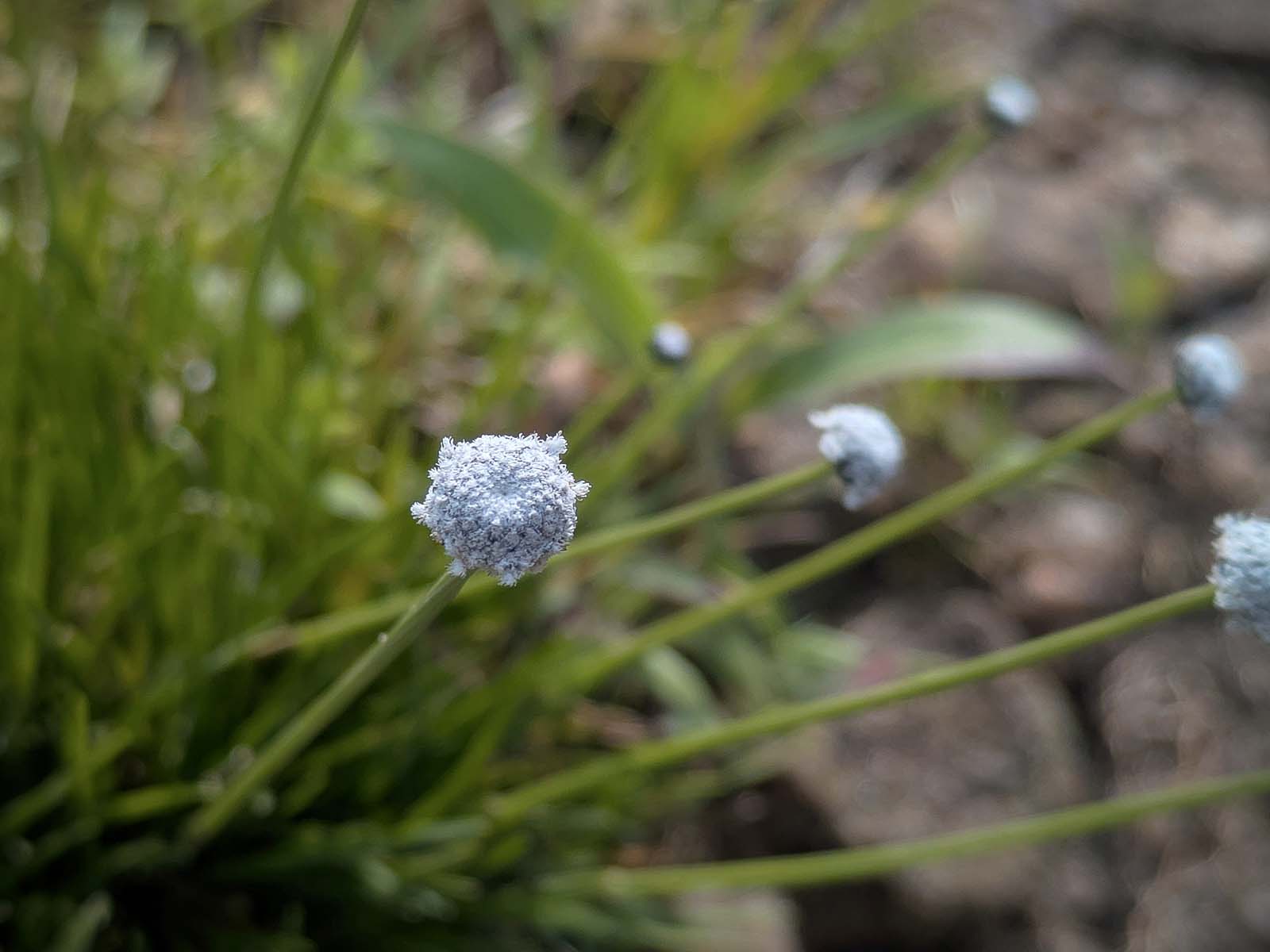
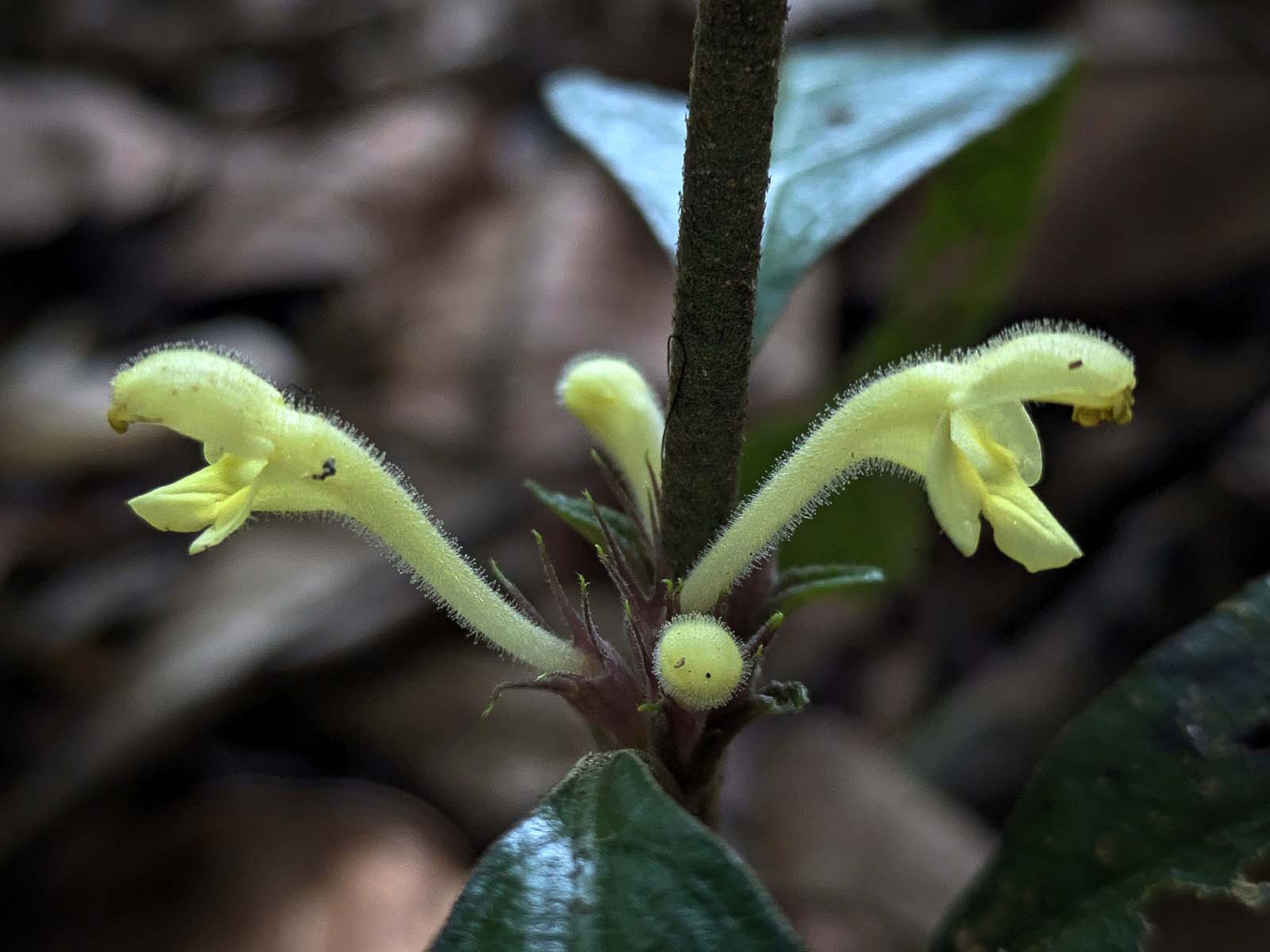
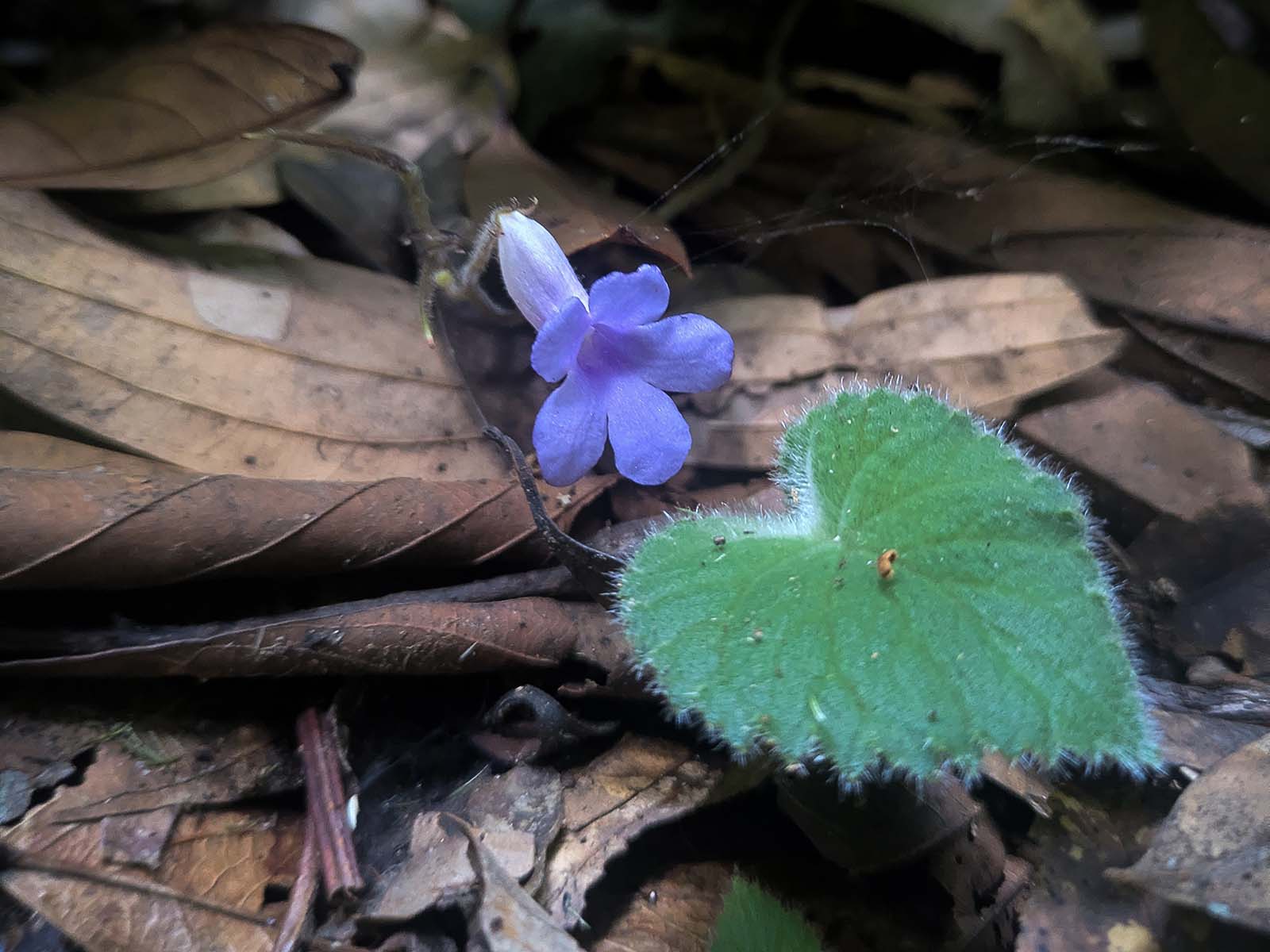
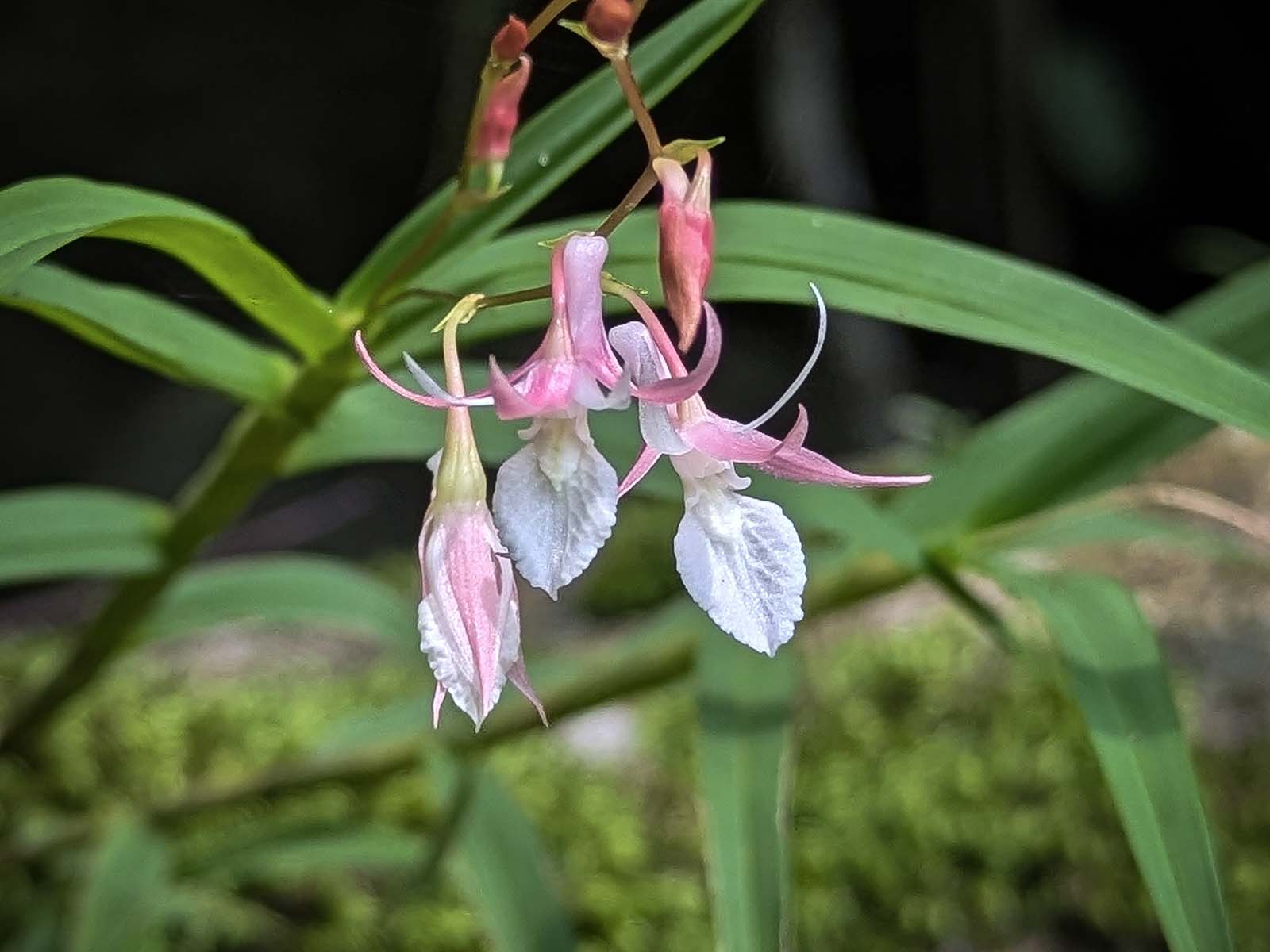
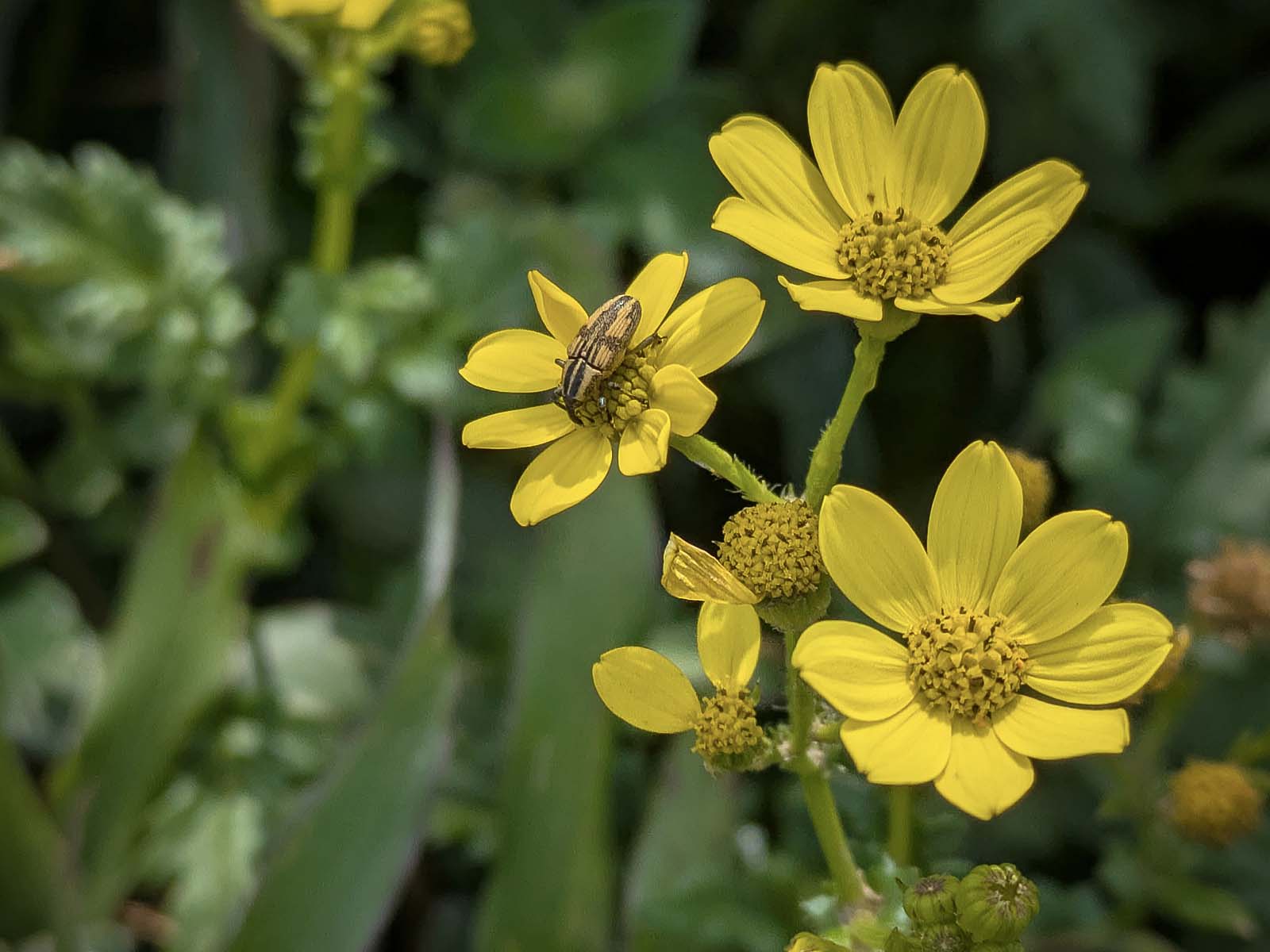
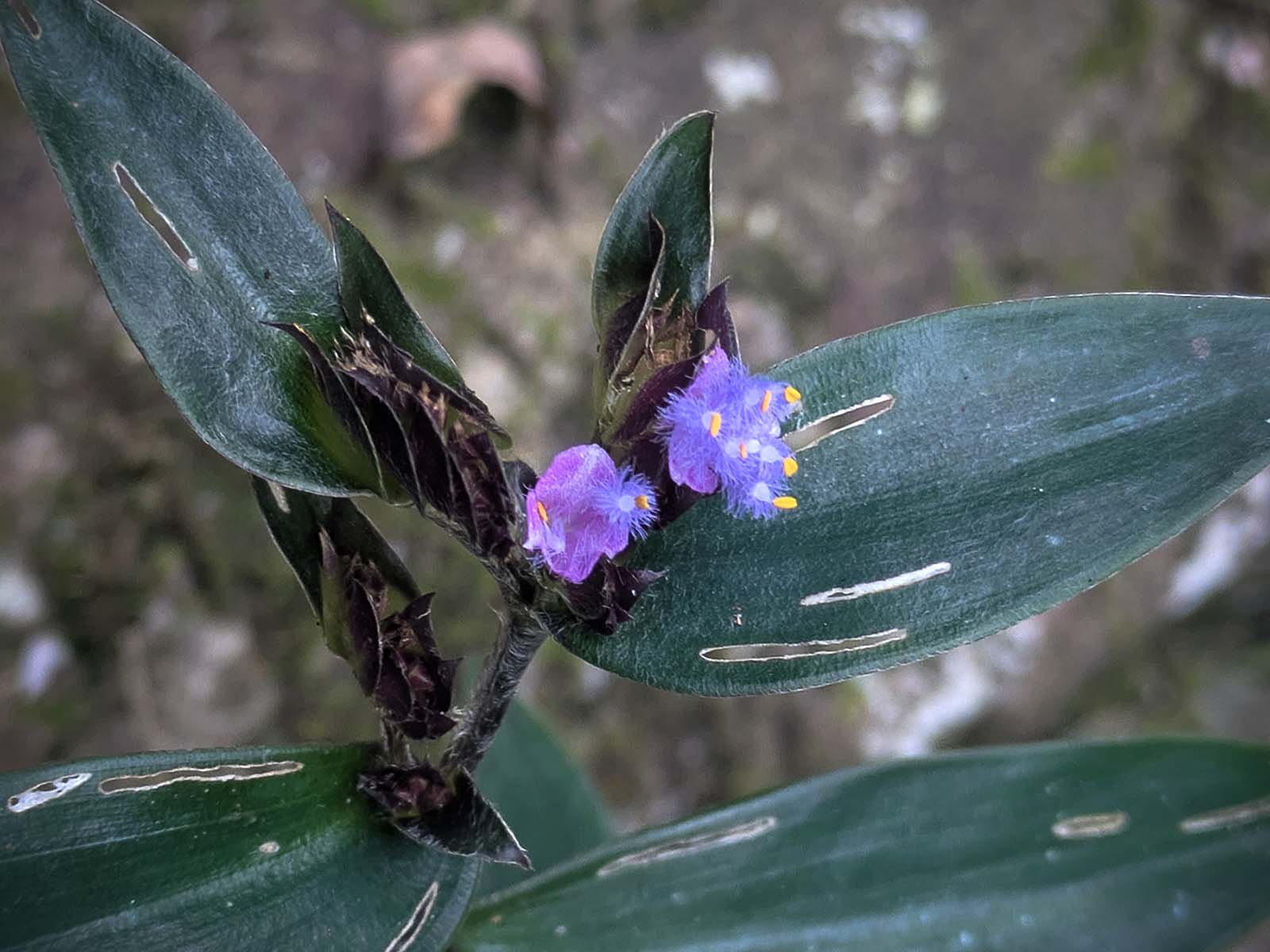
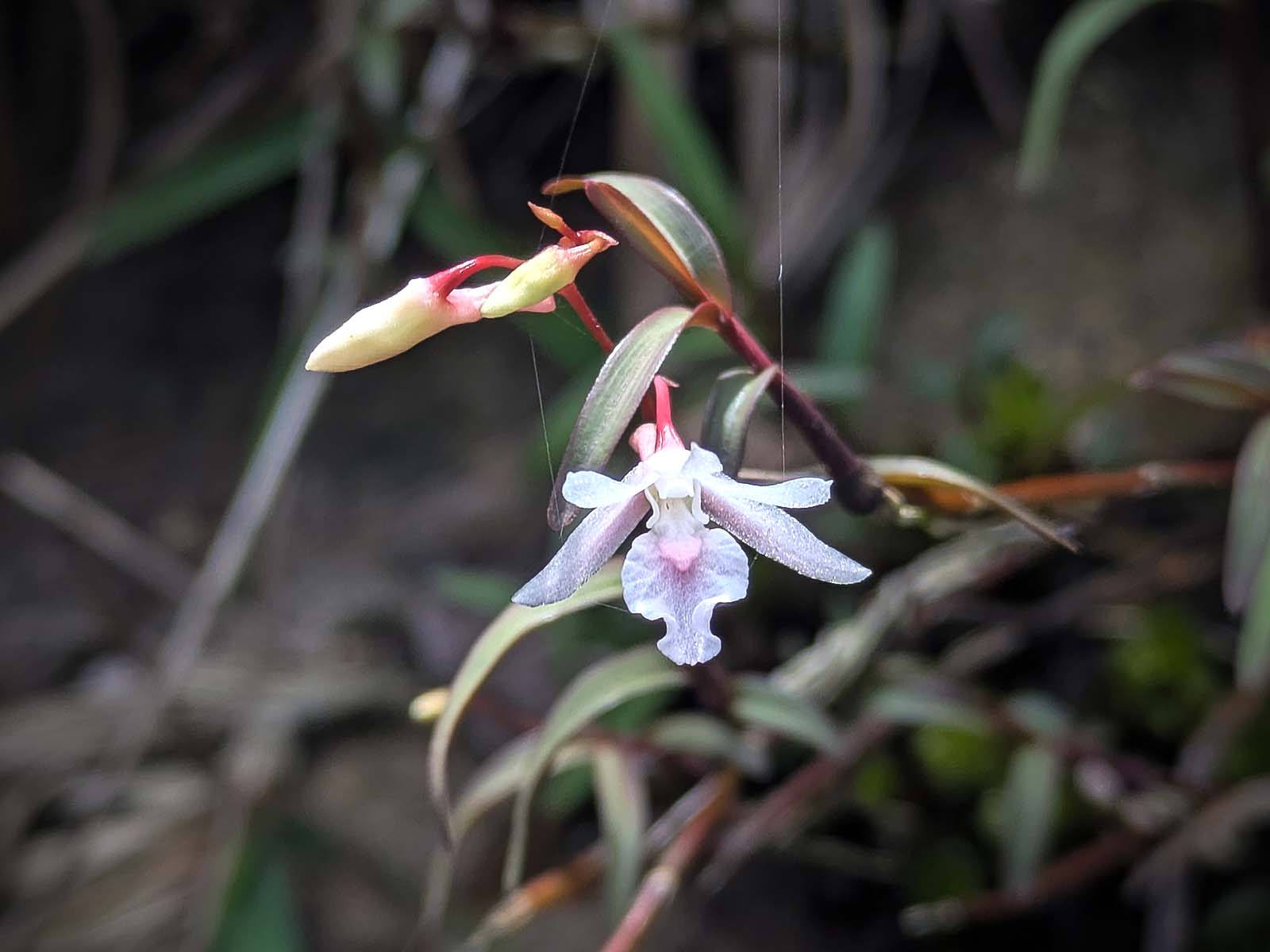
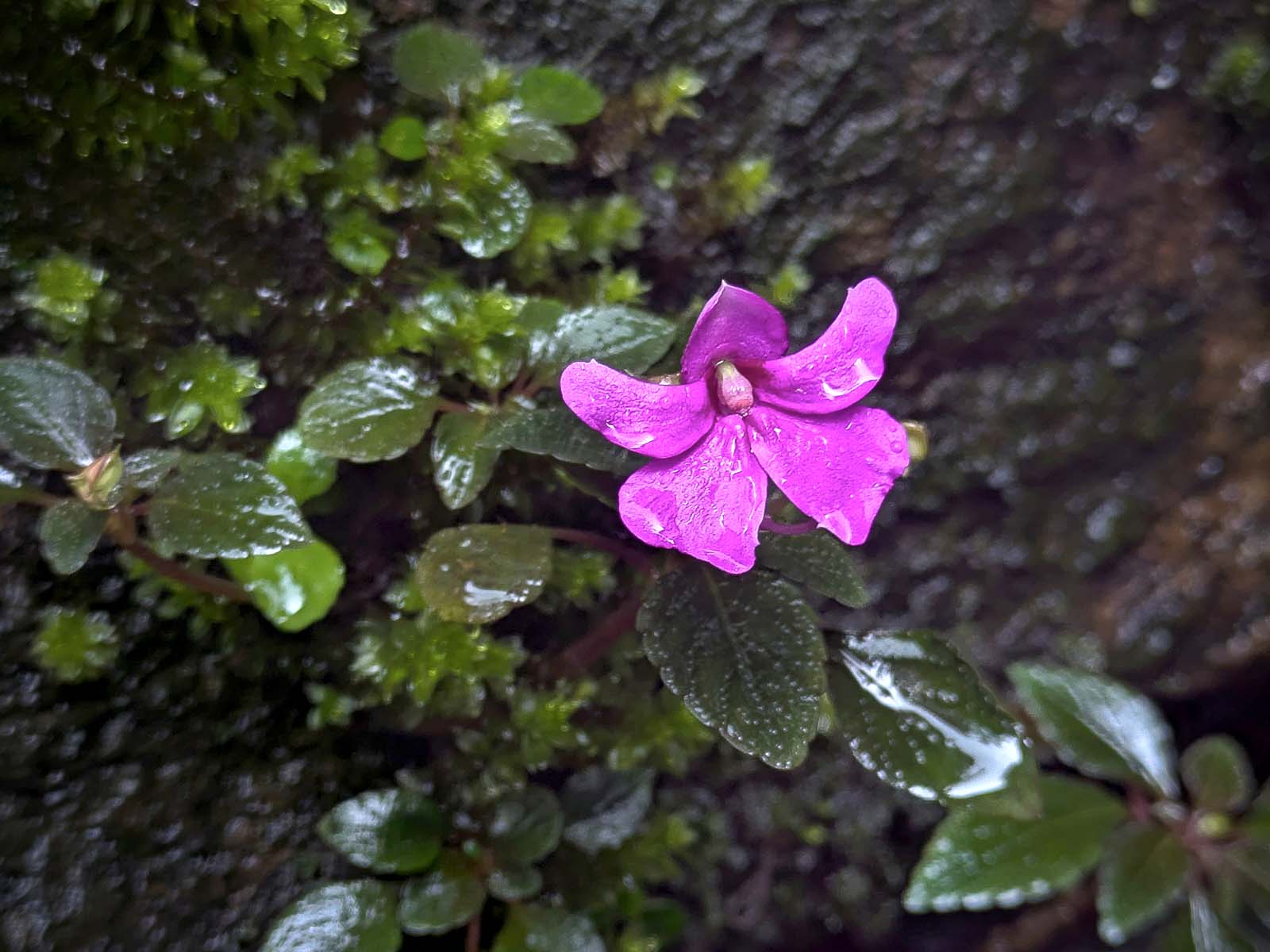
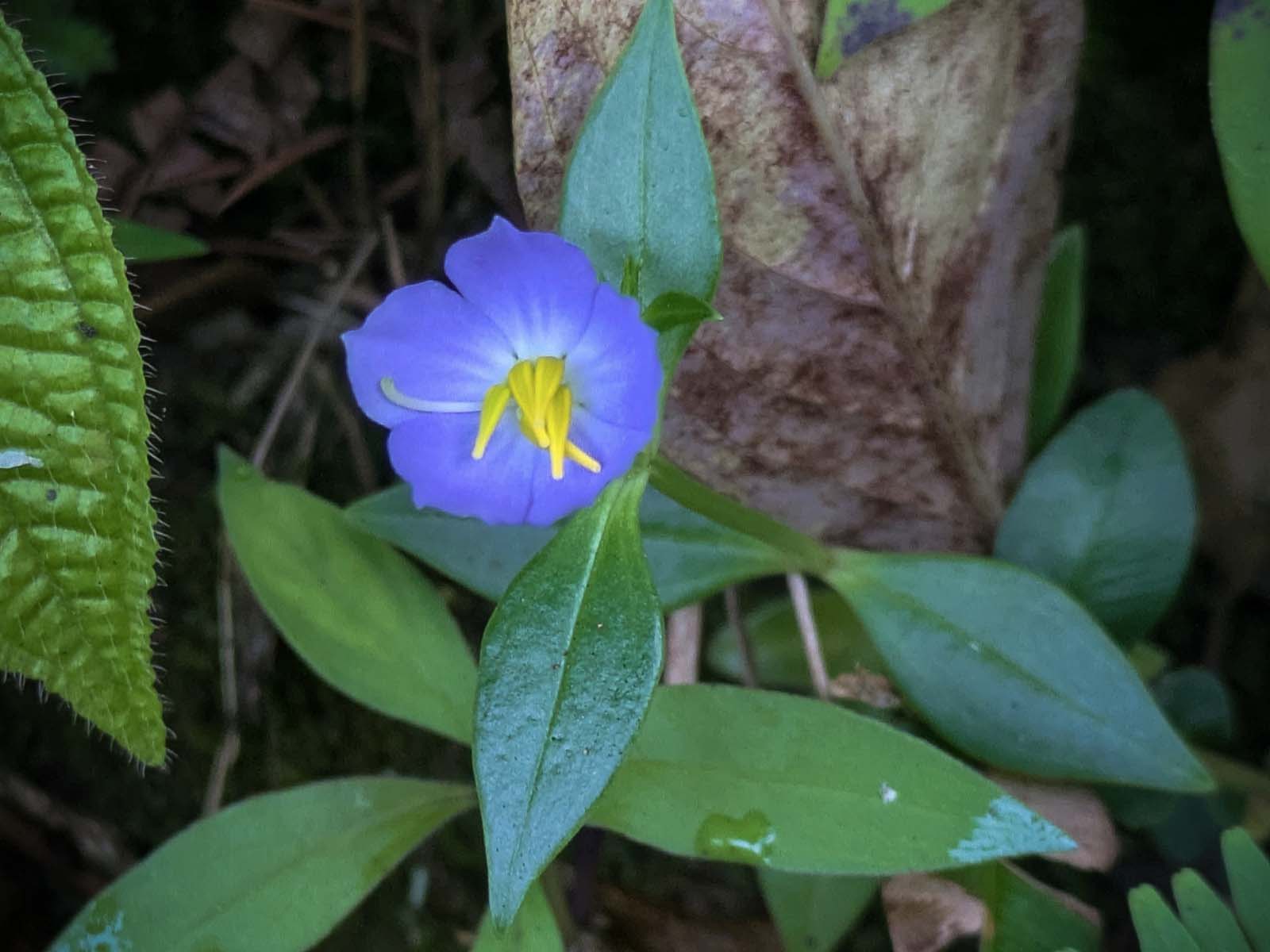
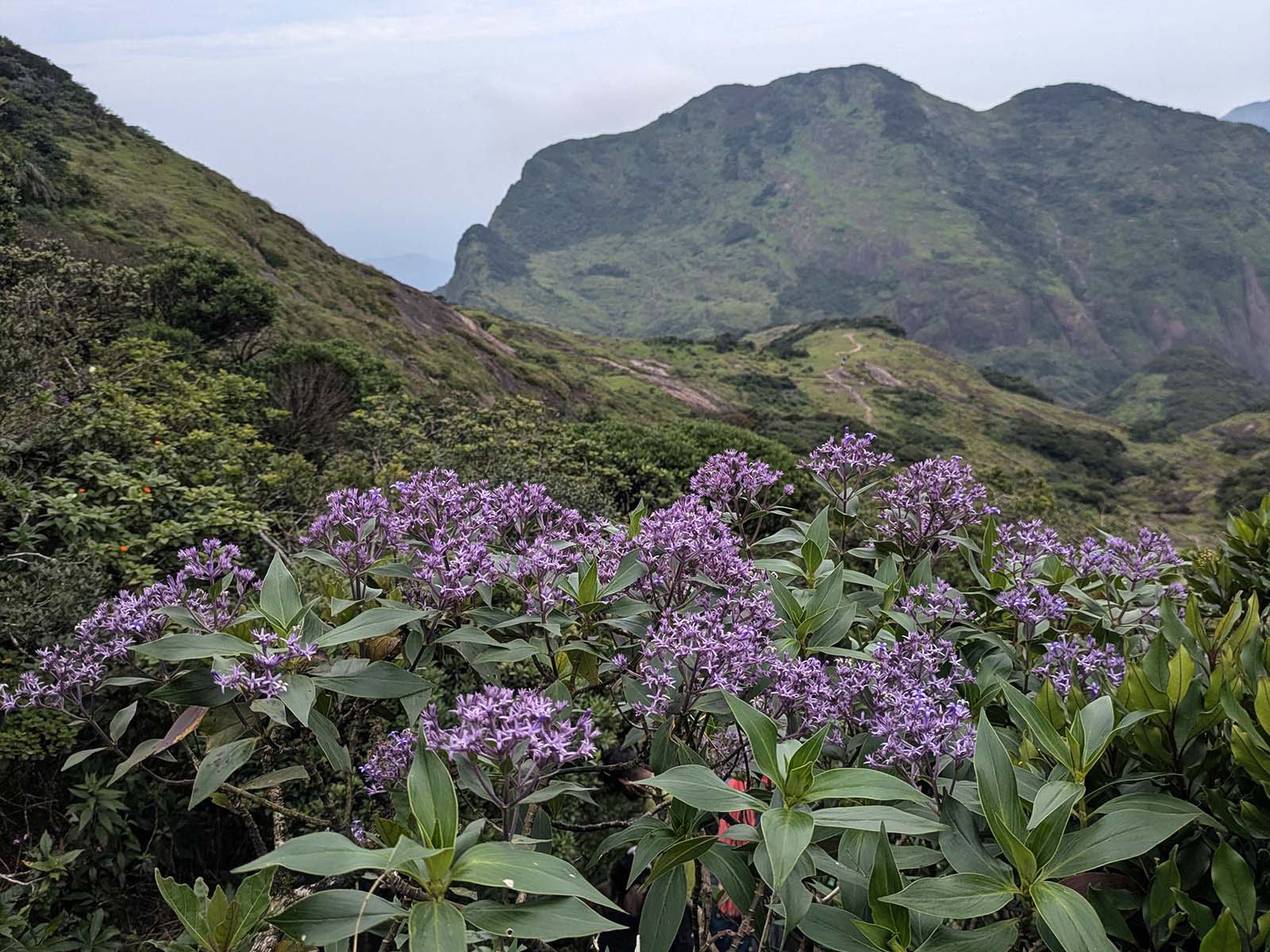
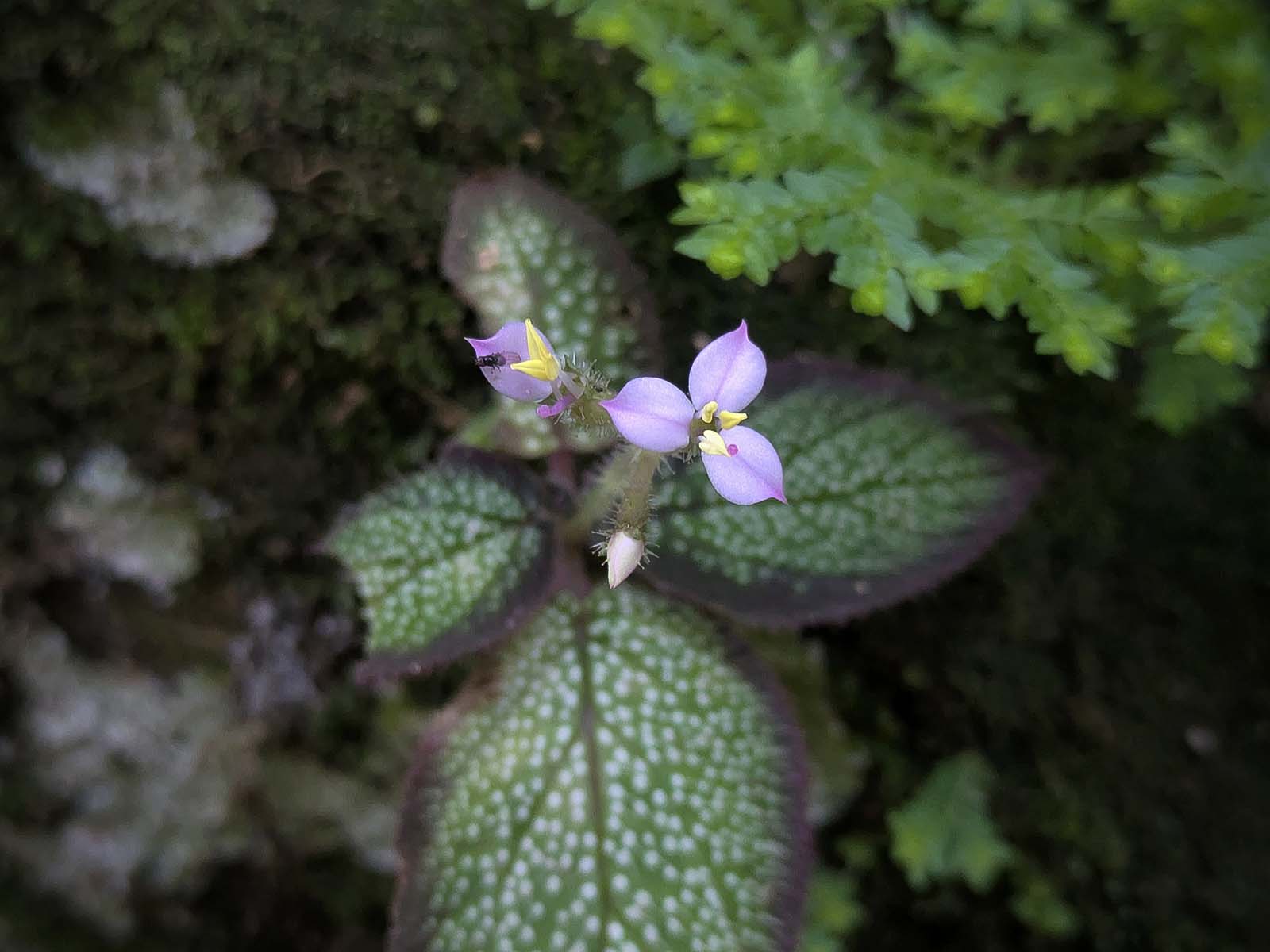
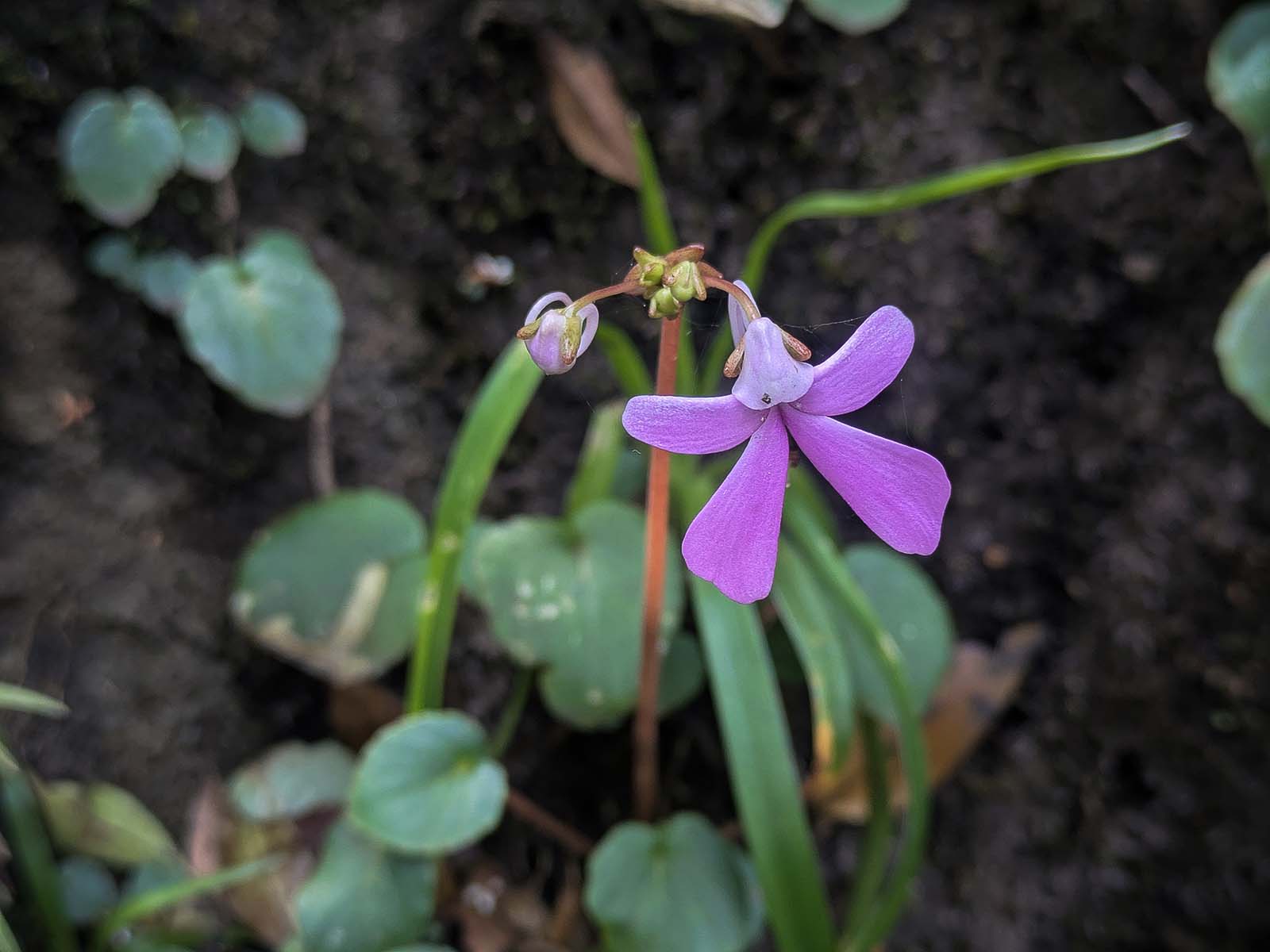
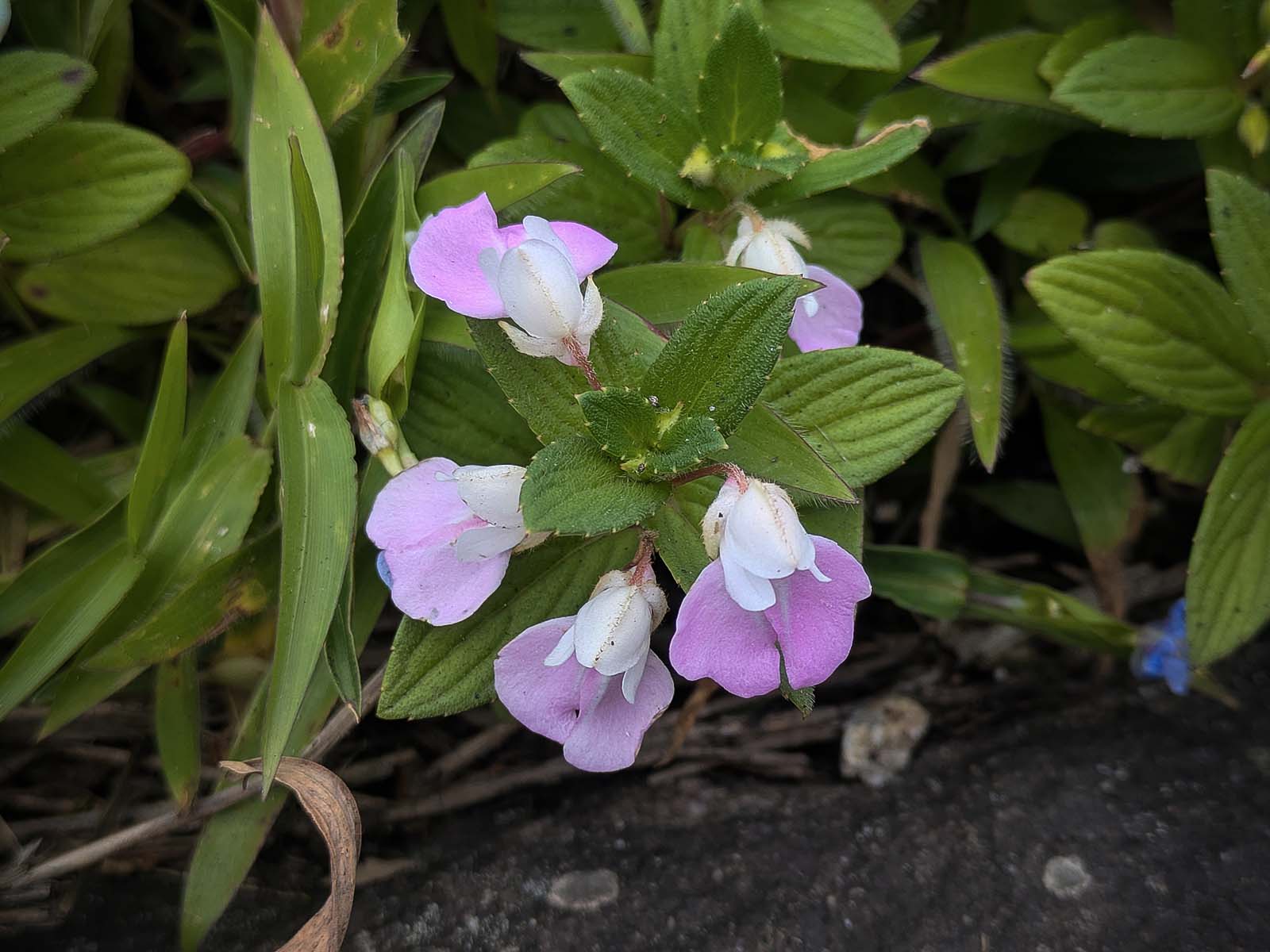
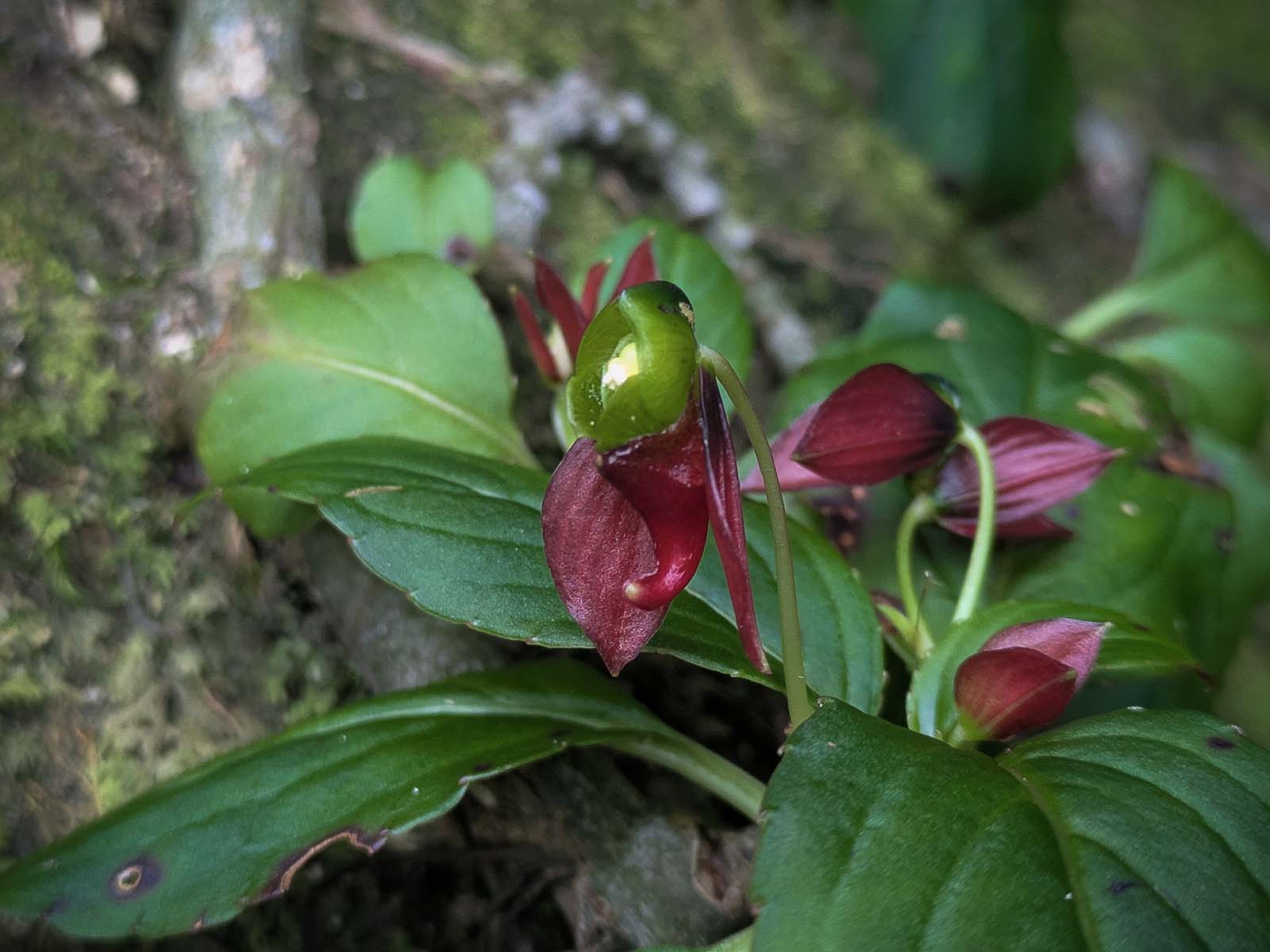
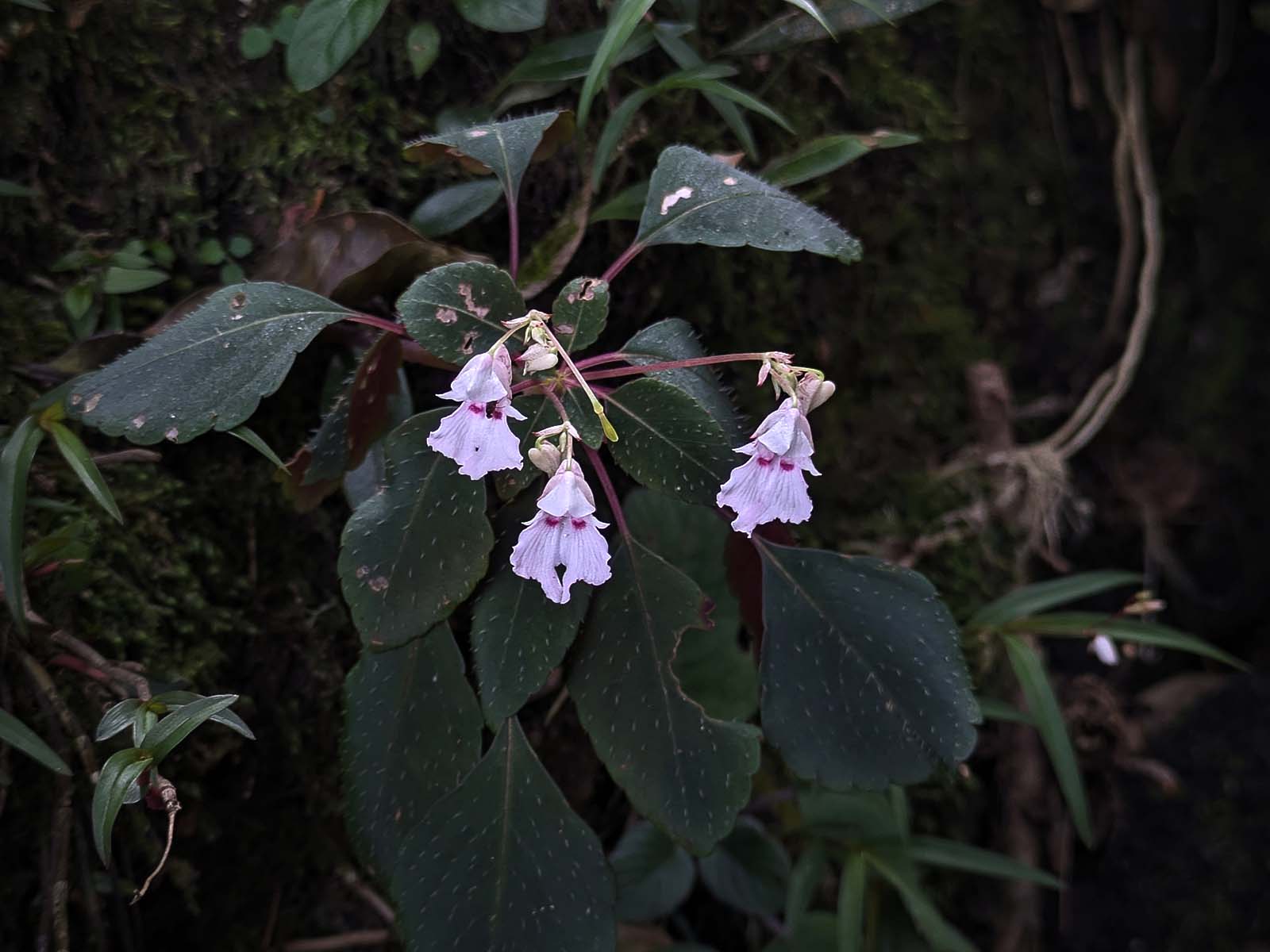
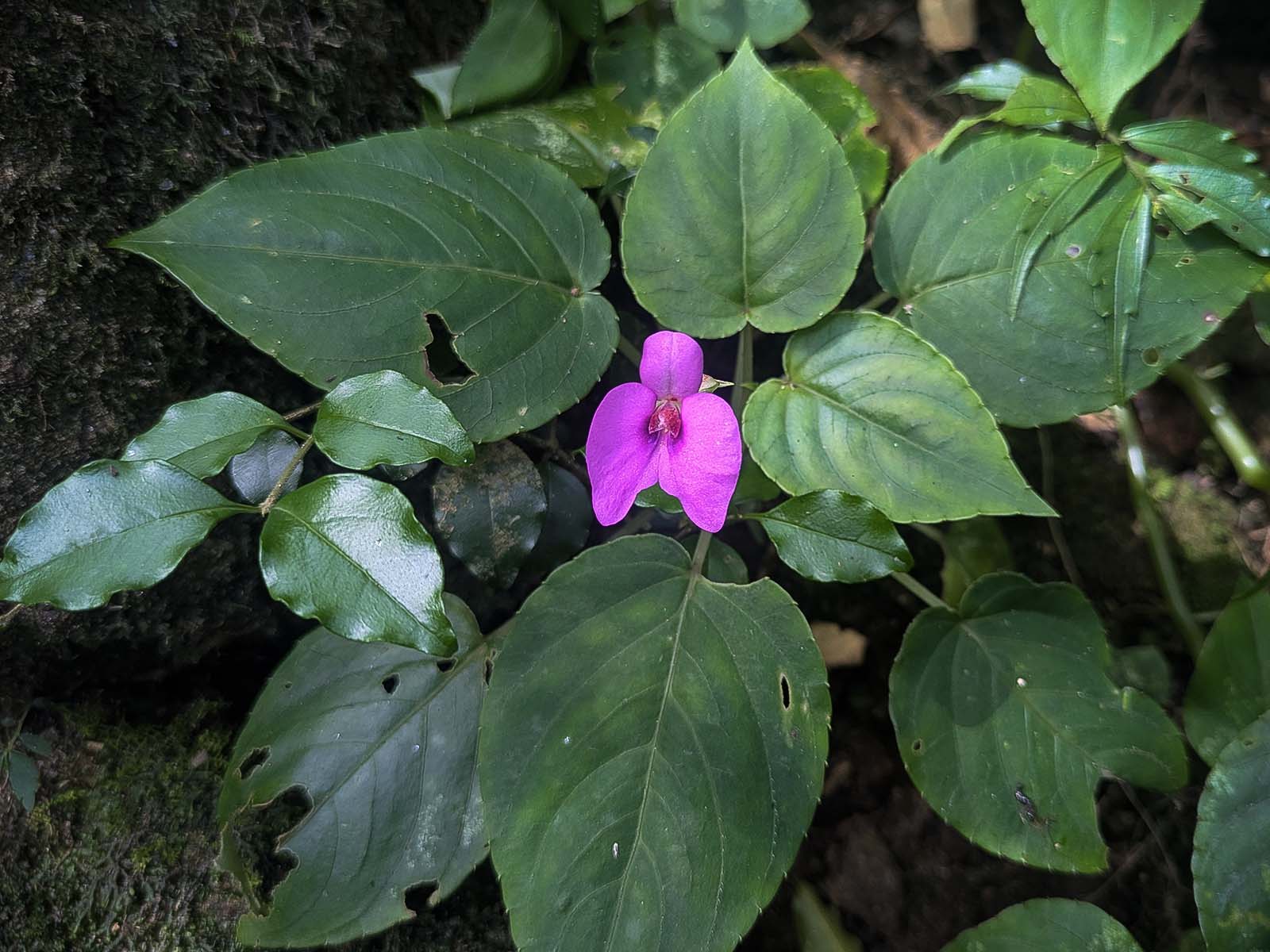
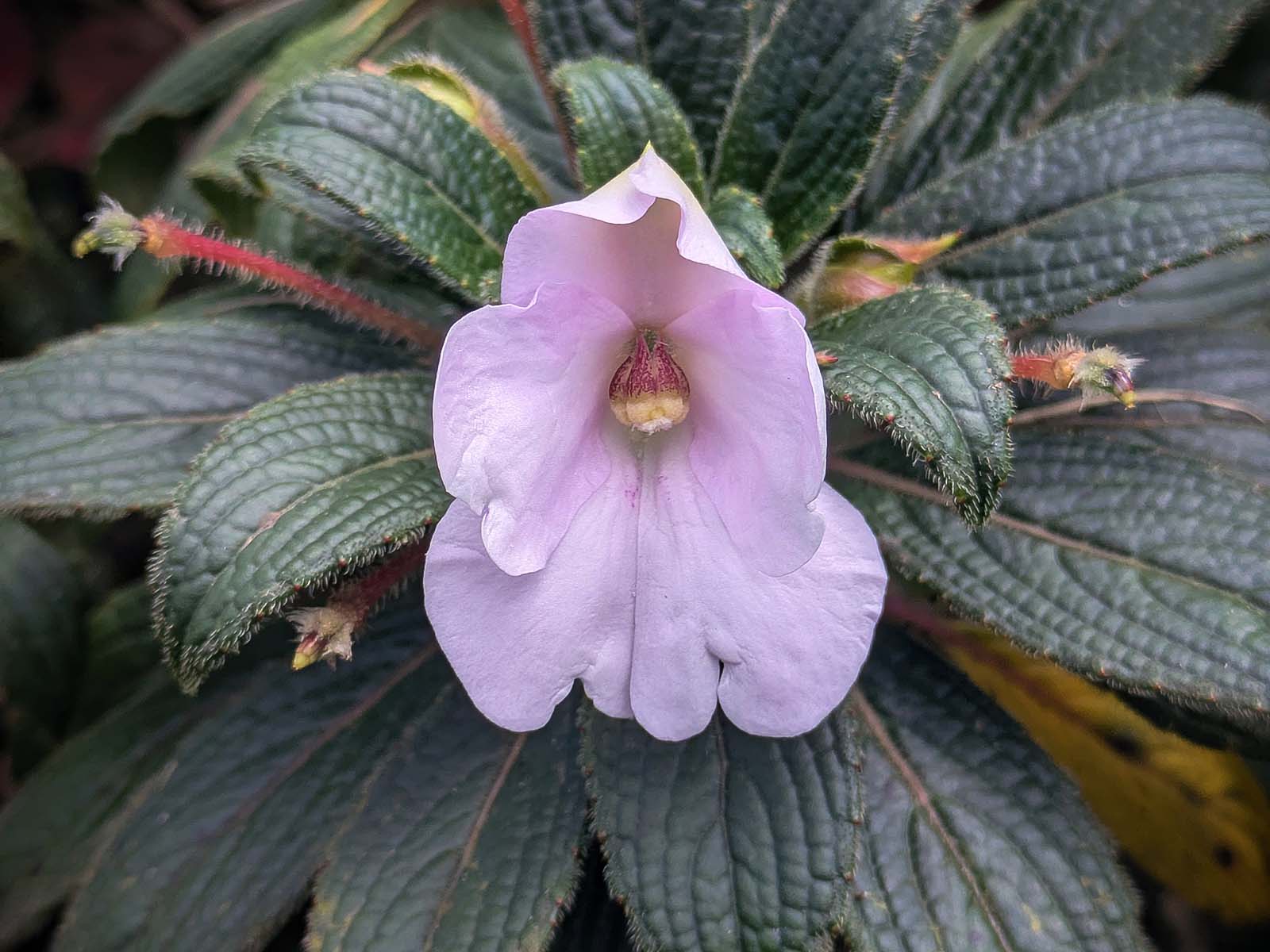
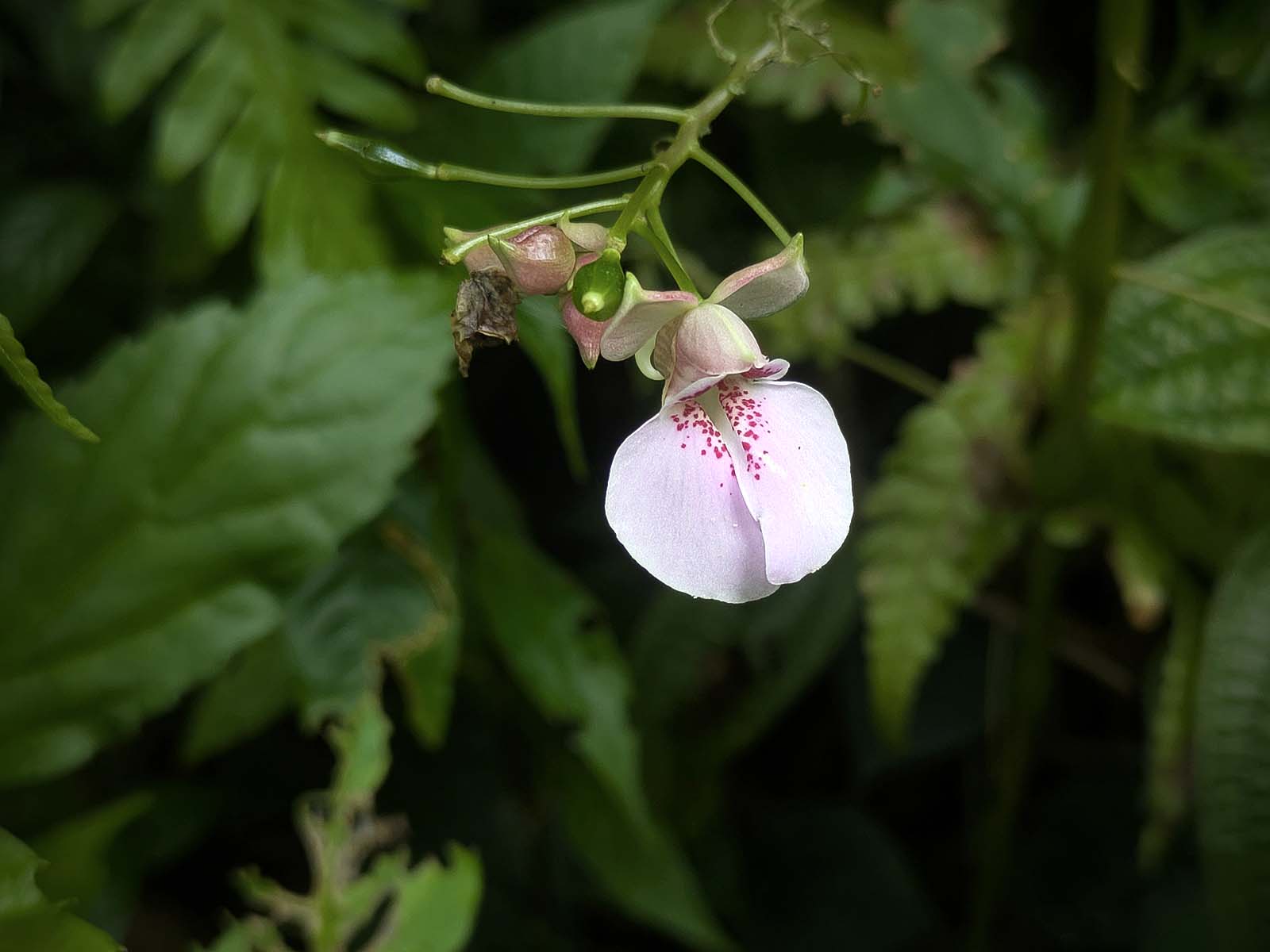
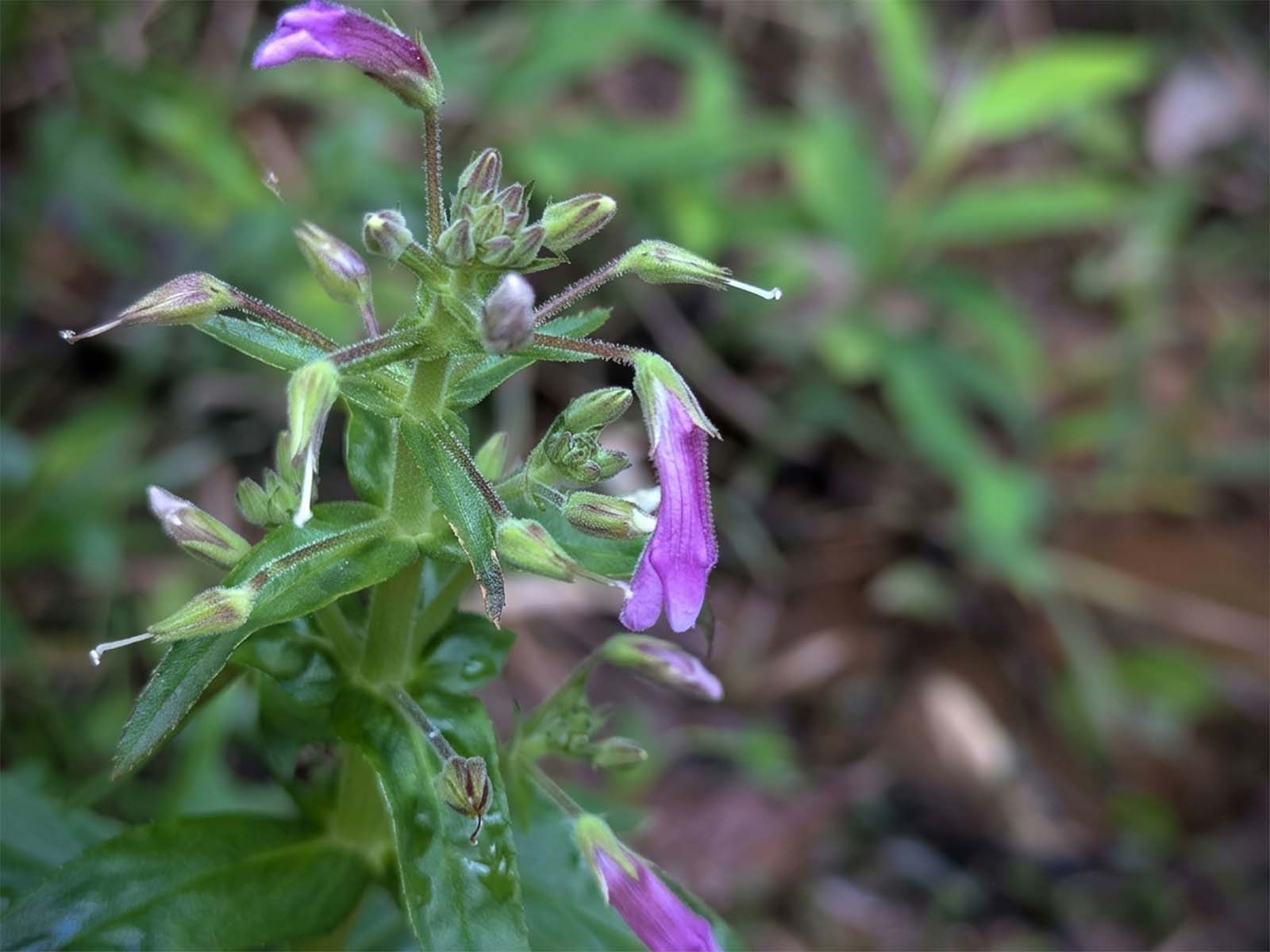
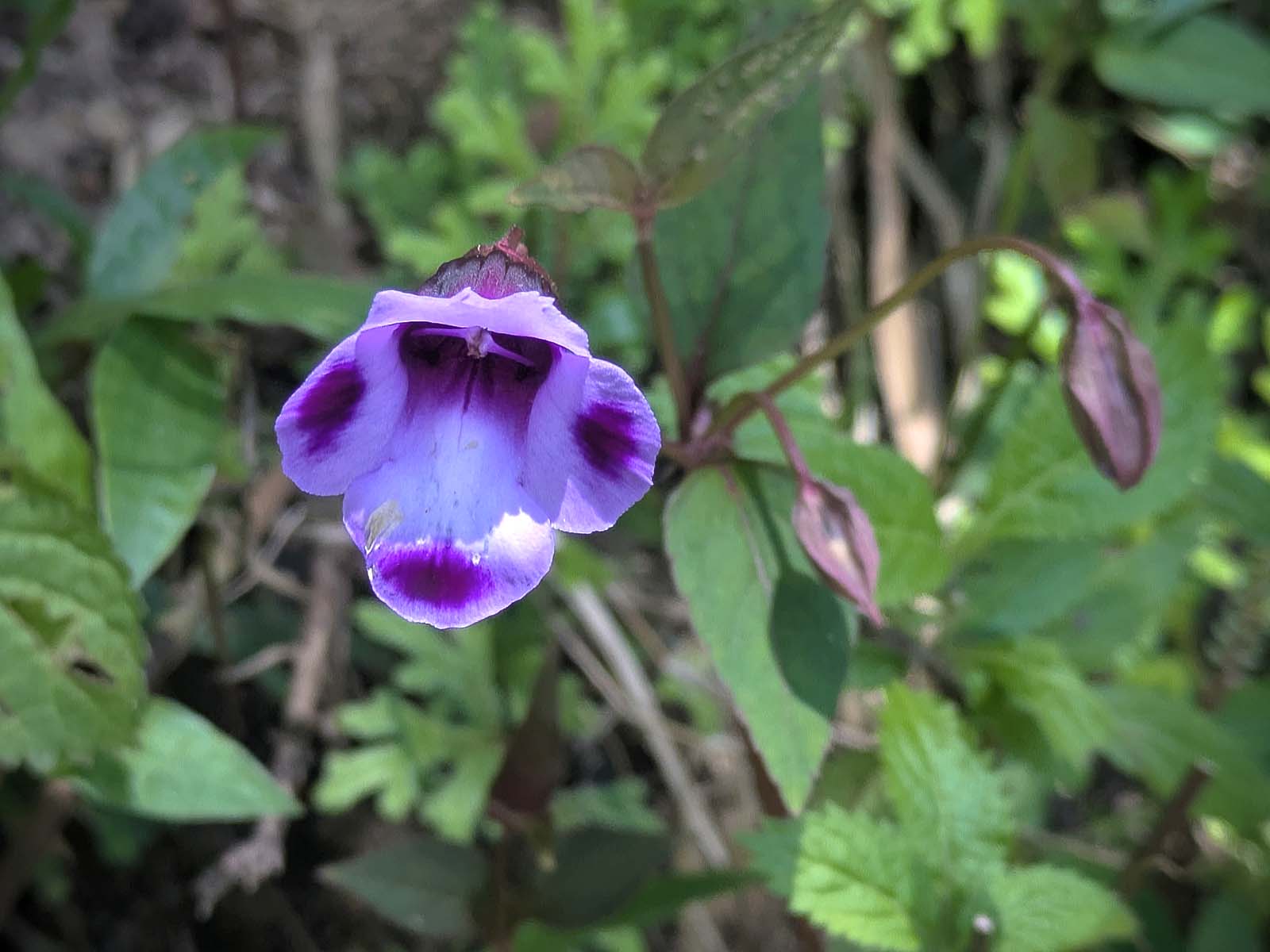
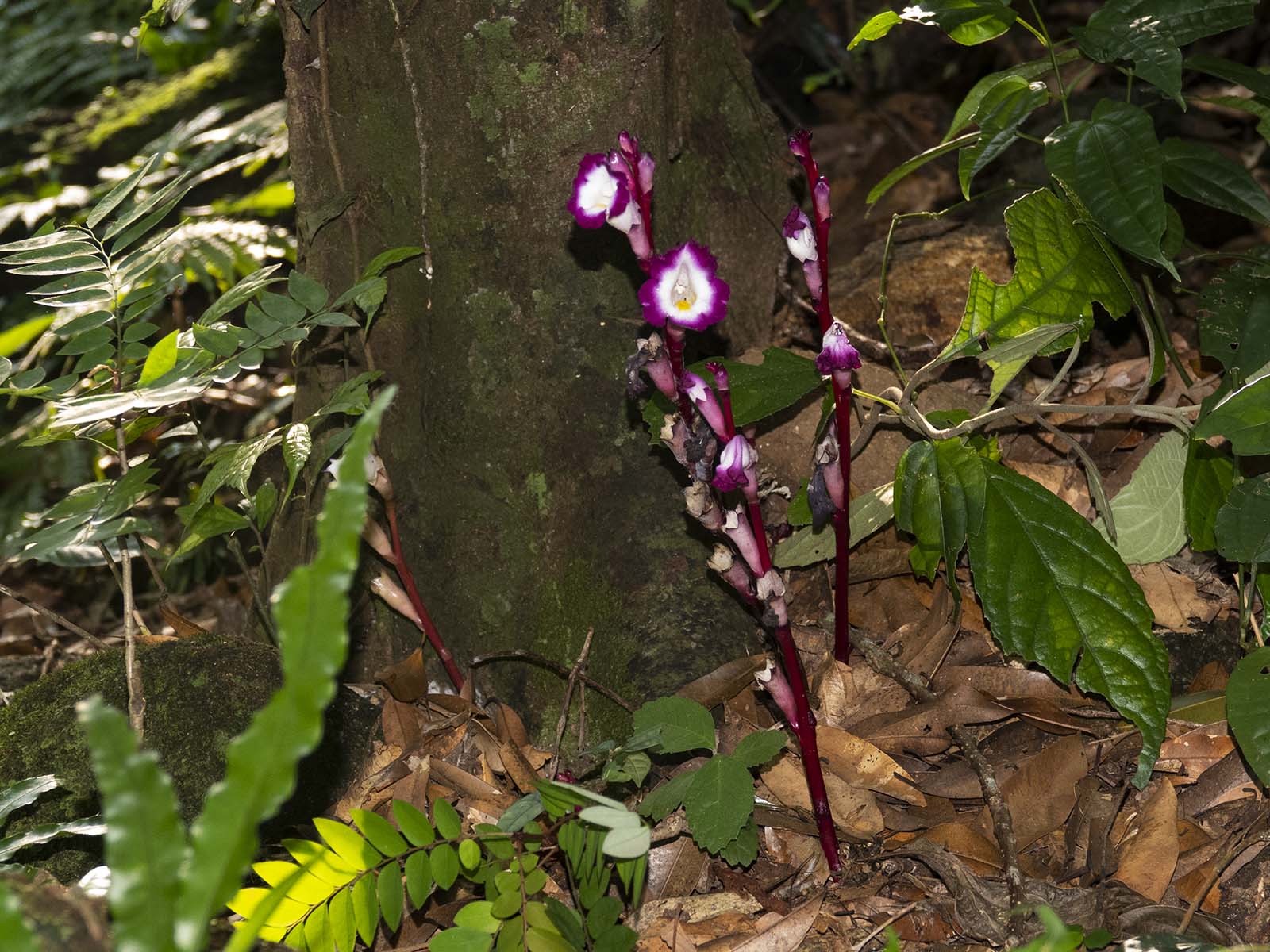
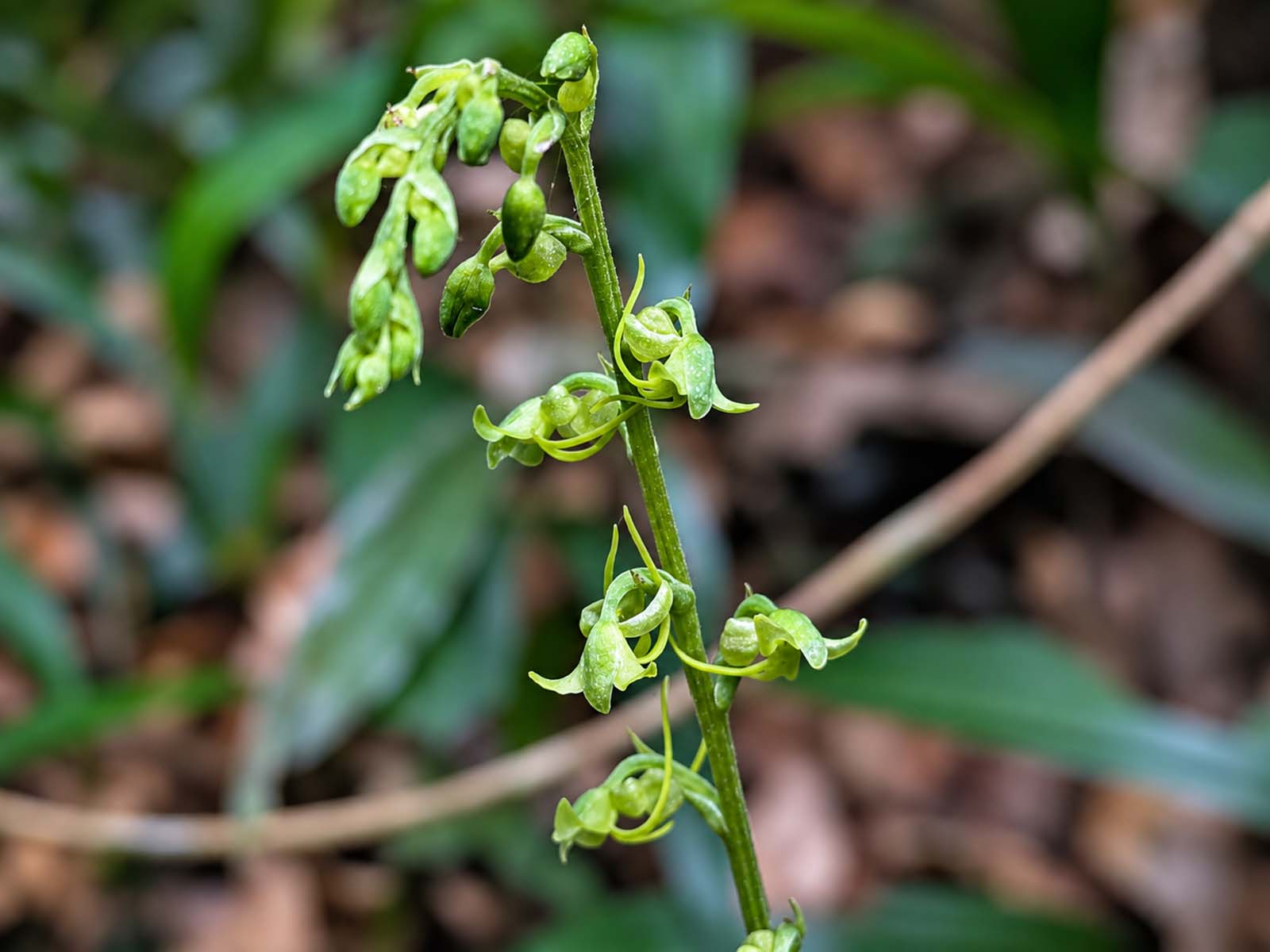
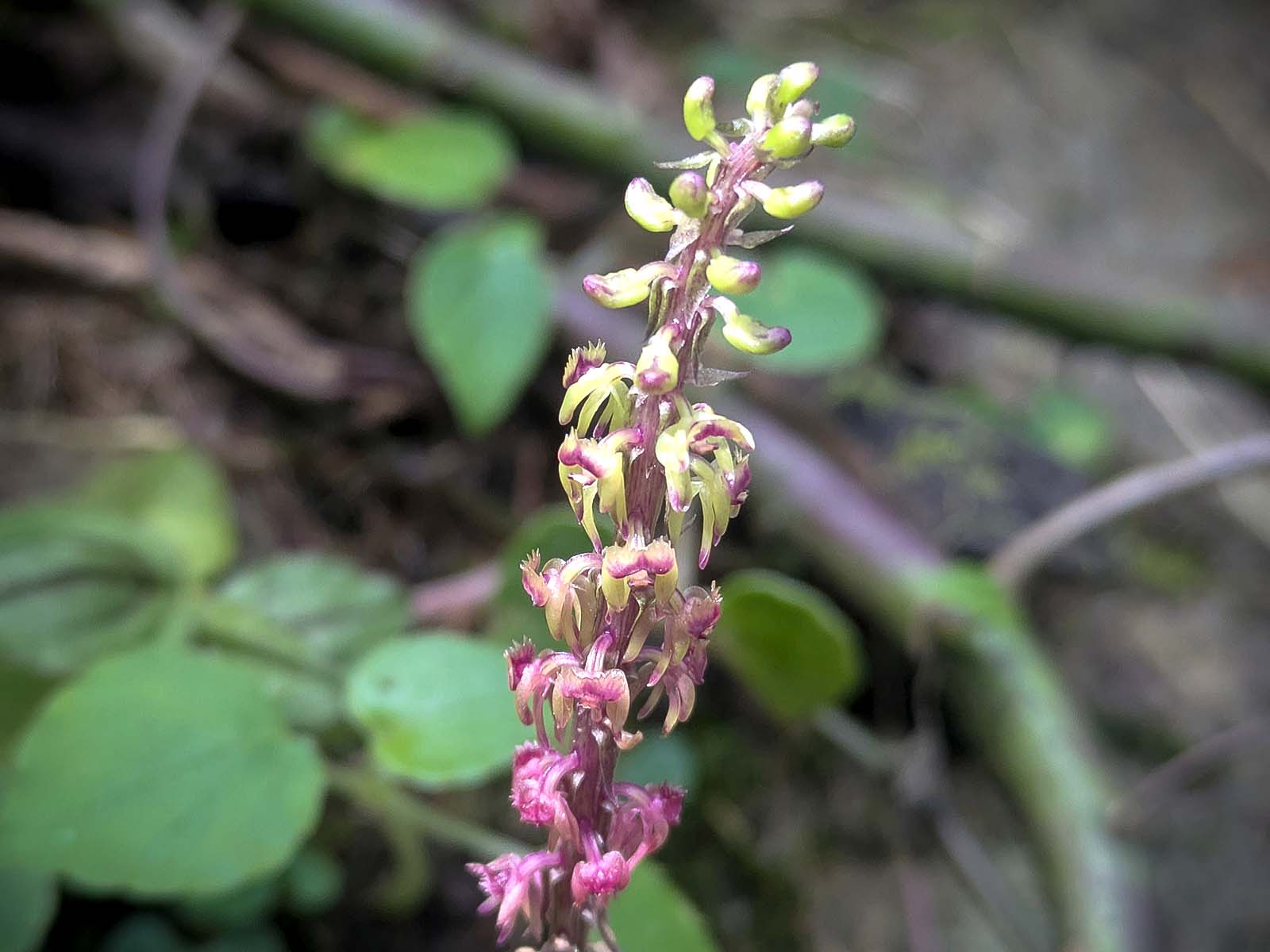
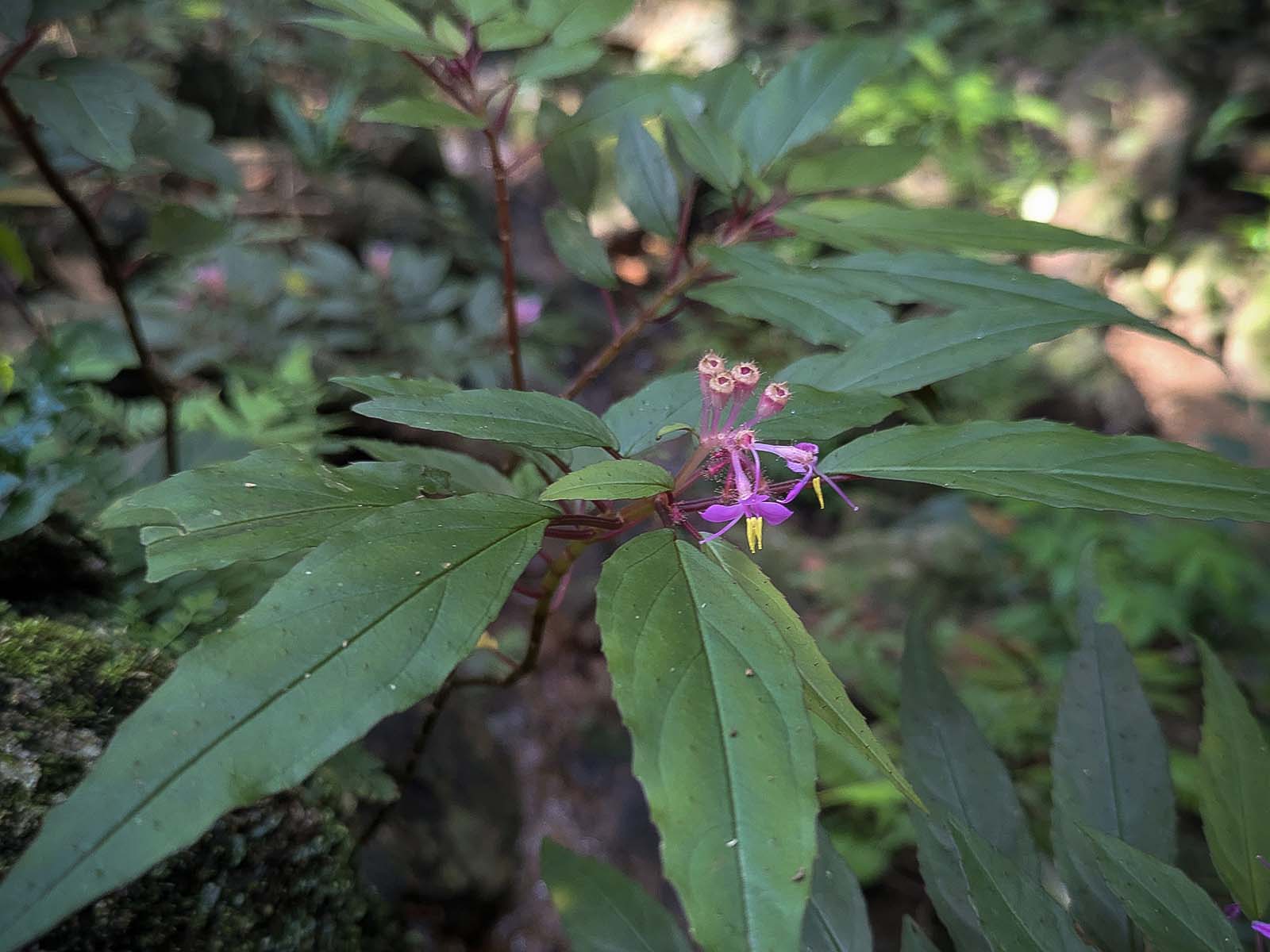
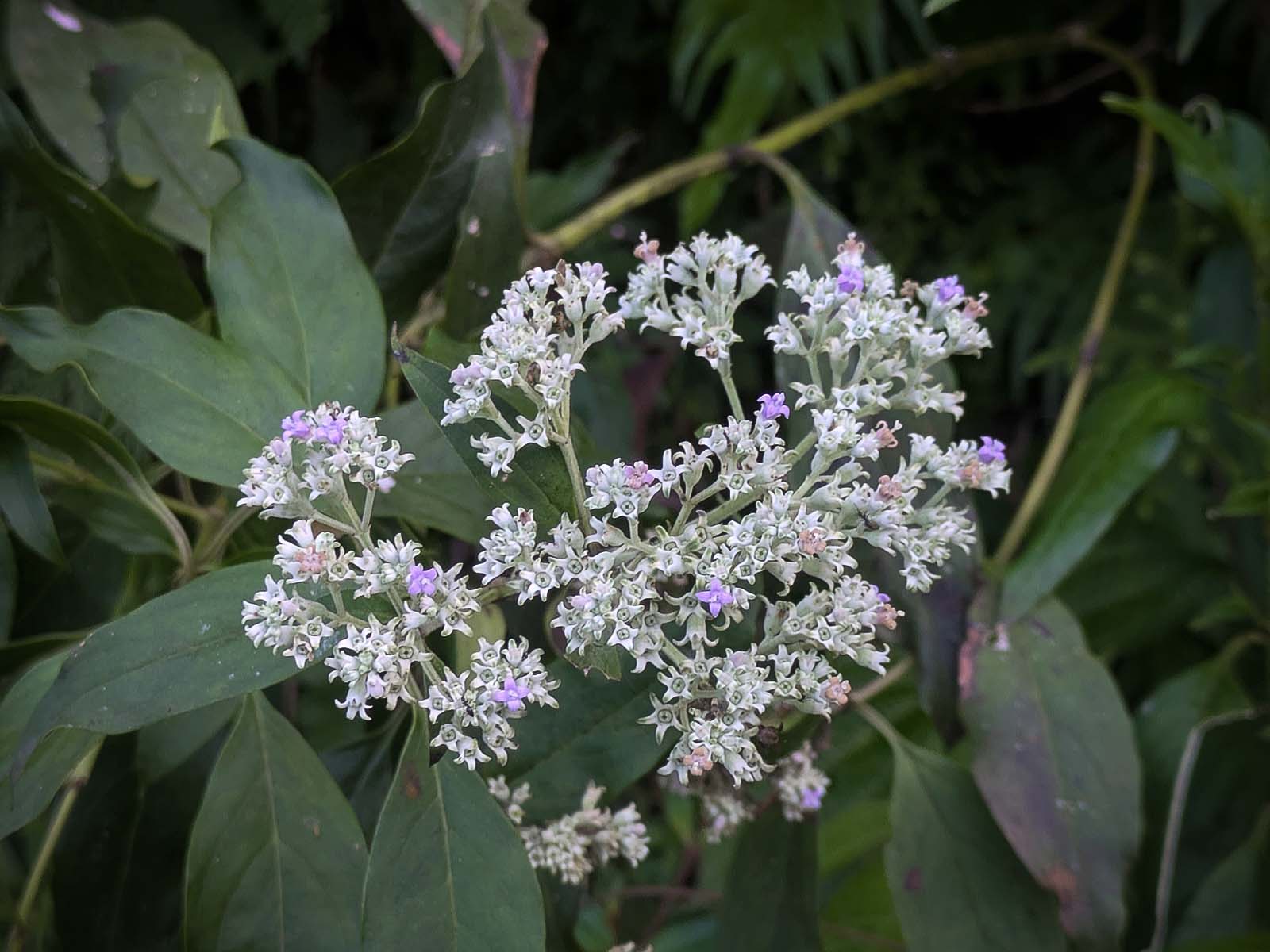
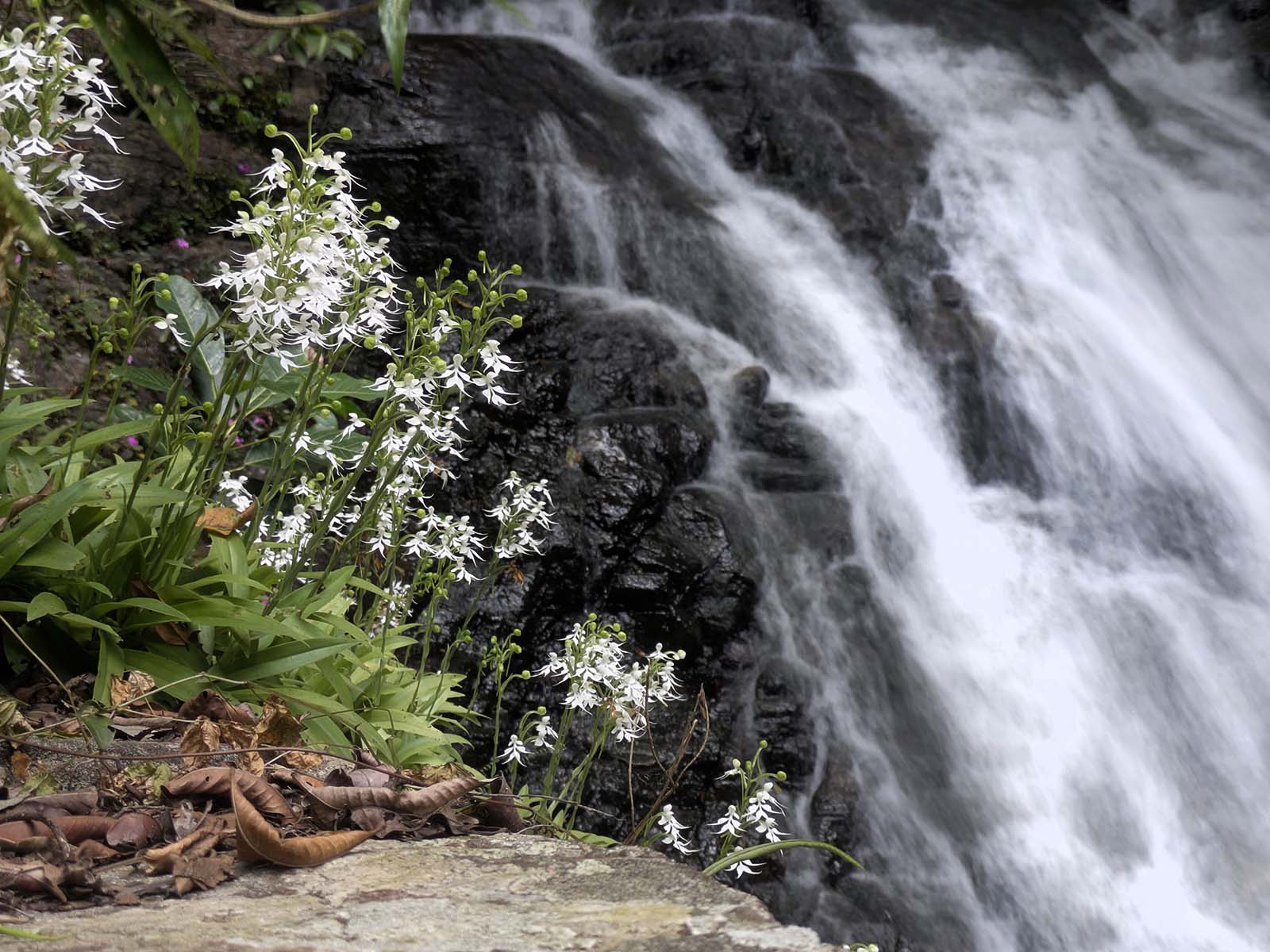
I still have lots of uploading to do but as of now I am stopping with the following flower.
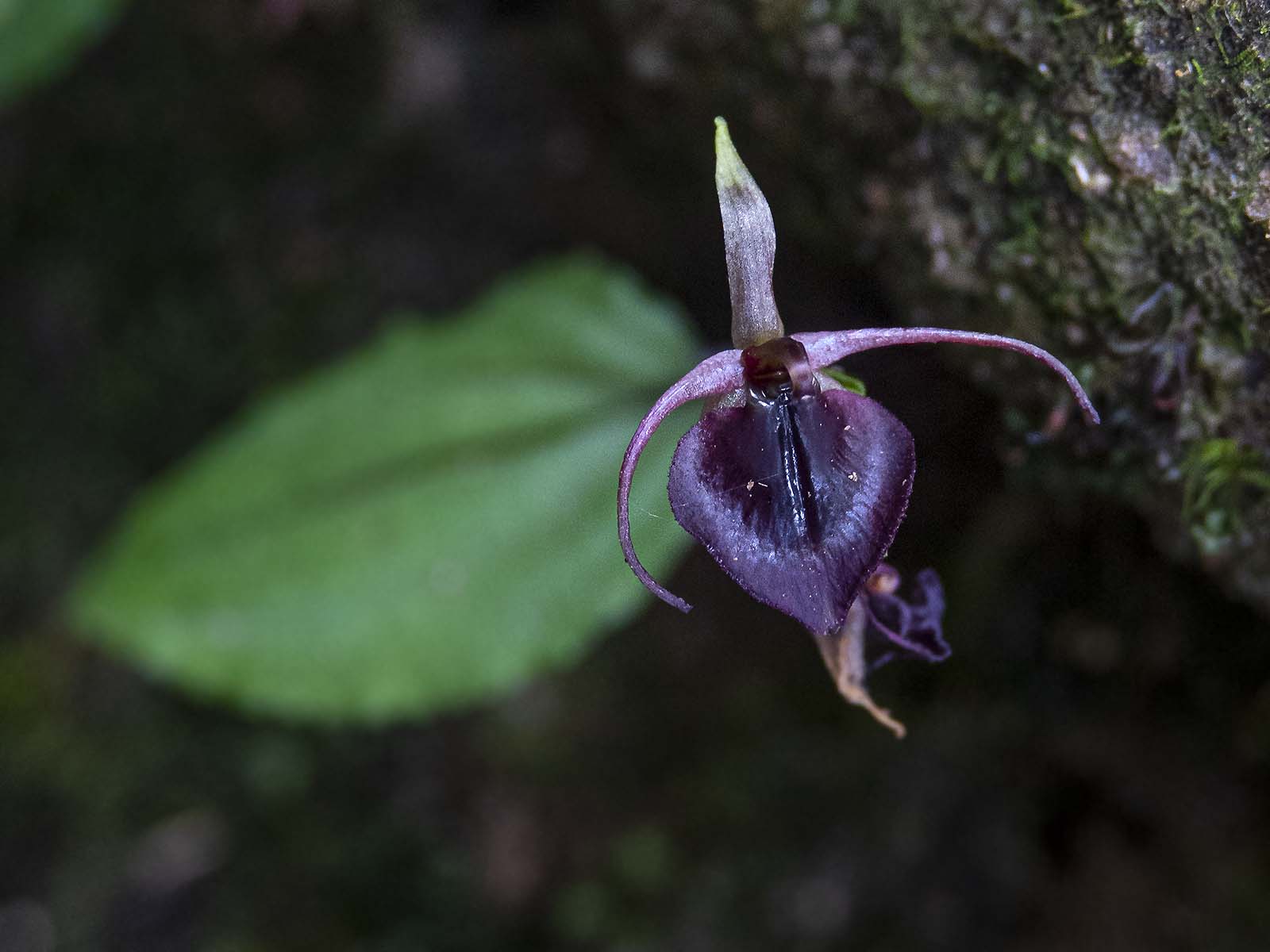
Liparis walakkadensis is a small orchid which was found on a rock where literally everyone was stepping on. The whole plant was less than 10 cm and there were only a few plants found on this rock. This plant was originally described in the year 1999 in northern part of Keralam and there are no records of the plant anywhere else when we searched and asked around. Yet here it was under the feet of everybody !
I have mixed feelings about this one. On one hand , finding a rare orchid is exhilarating and also contributing to science in terms of its distribution records is great but on the other hand wondering whether that population will survive a stampede gives you a restless heart. Living in two different emotional zones is the curse of every single nature lover but as of now I can only admit that the vivid flowers will give me vivid memories for years to come.
*** More flowers to come