Vinod and I had wanted to explore Goa for a long time, but the over-tourism, drunken crowds, and the infamous cab mafia were some of the reasons we kept postponing the trip. We were also keen to experience the Konkan Railway route, so when our friend Raghu and his wife, Rewa, invited us to their home in Gokarna, we readily accepted. We knew that, with a toddler in tow, we wouldn’t be able to explore much, but we were happy to get at least a glimpse of the region and experience the journey along the Konkan coast.
We set off on what was going to be a long train journey, but it turned out to be surprisingly smooth. The journey was made even more enjoyable by the beautiful waterbodies we passed through in Kerala and Karnataka, along with our toddler happily immersed in her books—except for the occasional “Namma enga porom?” (“Where are we going?”), which she must have asked at least a hundred times! Vinod, of course, couldn’t stop grumbling about the abundance of waterbodies we started seeing almost immediately after crossing Tamil Nadu!
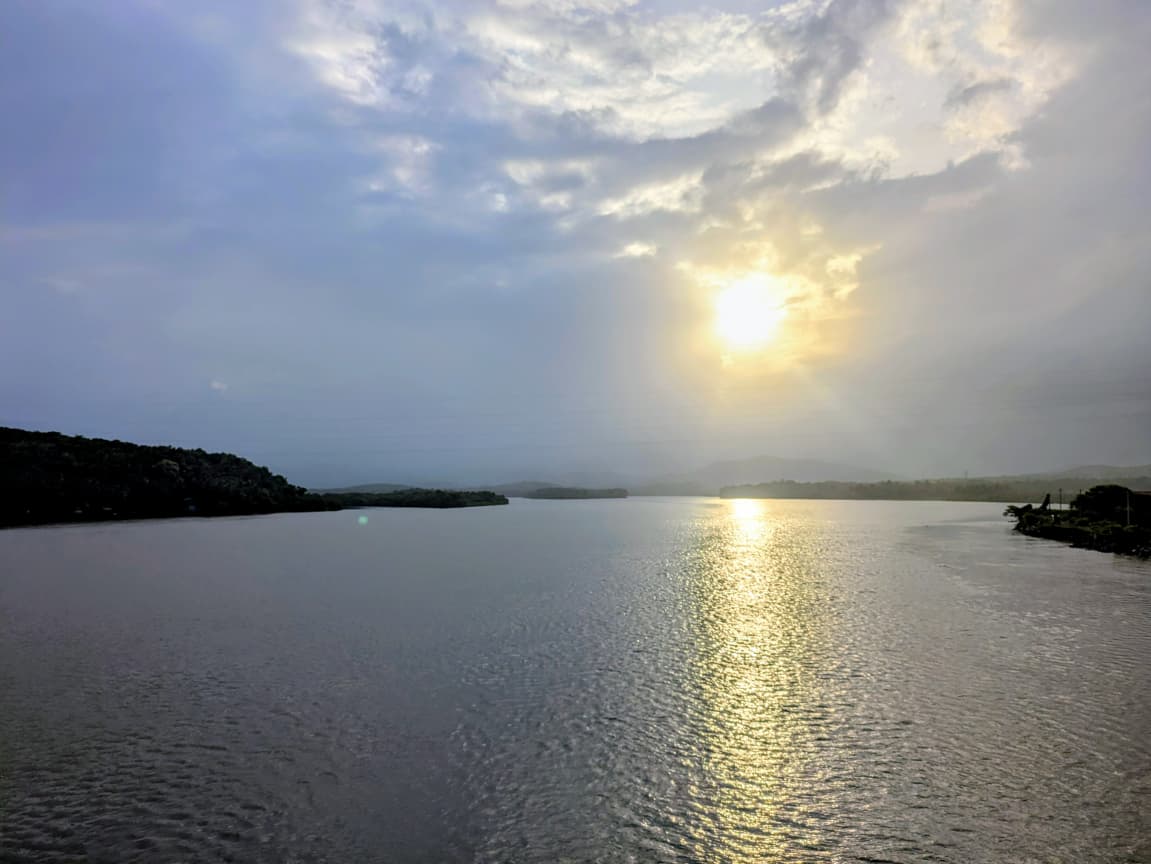
On the way to our friend’s home in Gokarna from Kumta railway station, we passed beautiful river like Aghanashini and mangroves before finally reaching his place. Vinod spotted a flock of Malabar pied hornbills during the car journey. But what really caught our attention were the walls everywhere. Vinod and I were thrilled to see mosses and ferns growing all over them. Raghu explained that many of the compound walls were built using laterite rocks, which created the perfect conditions for these plants to thrive. To us, every compound wall looked like a tiny, living rainforest.
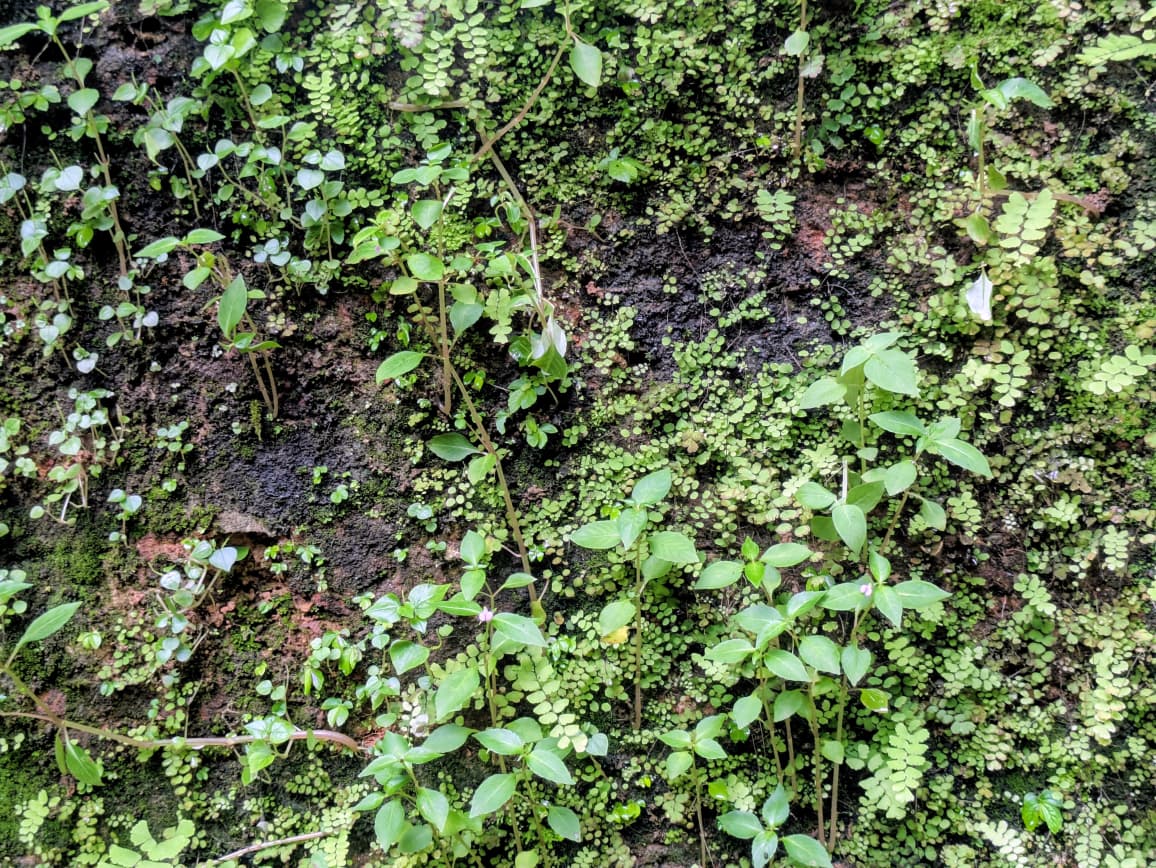
Lesser balsam was another plant we kept spotting everywhere, adding to the charm of the landscape.
That evening, we discussed our plans for the next day. We were torn between visiting Dandeli and exploring Cotigao Wildlife Sanctuary. Since we were already in Gokarna, we finally decided to head to Cotigao and see what the forest had to offer. It rained heavily through the night, but by morning, the weather had turned pleasant as we set off towards Cotigao. We enjoyed the beautiful scenery along the way and stopped in Karwar for breakfast.
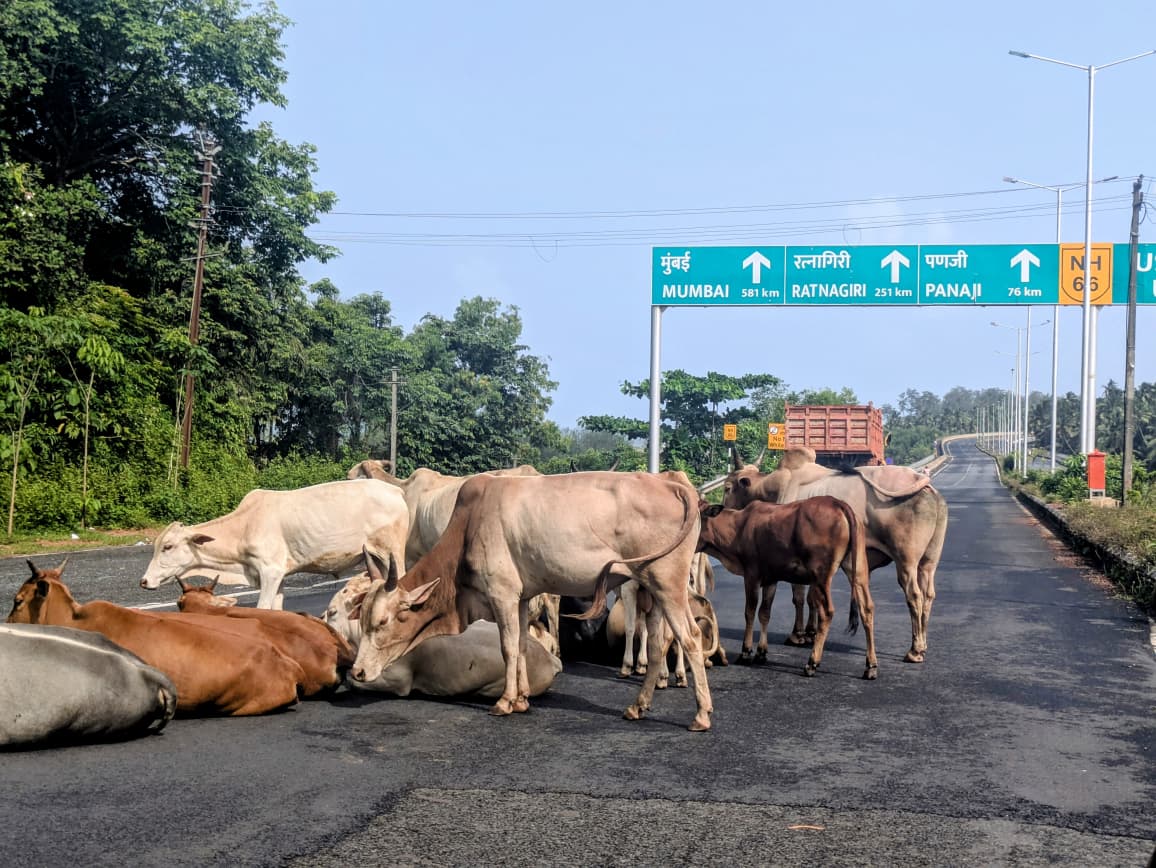
The route also took us past the naval base, which led to a rather nostalgic conversation about what Vinod’s life might have been like if he had been selected as a naval officer in his twenties. We found ourselves imagining that alternate version of his life as we continued towards the forest. We had initially planned to stay overnight at Cotigao Wildlife Sanctuary, but we couldn’t find any suitable accommodation, so we decided to make it a day trip instead.
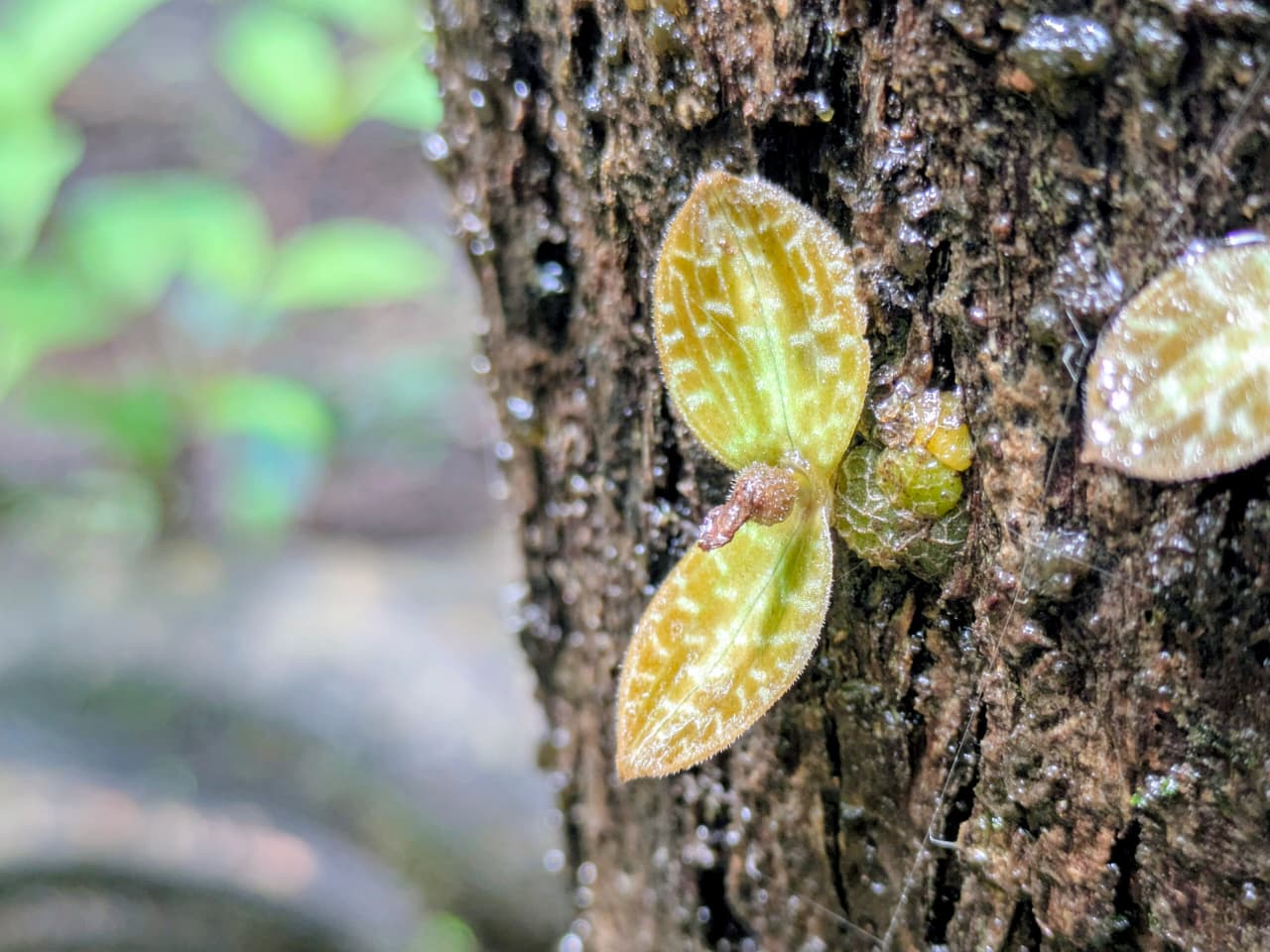
When we reached the sanctuary and crossed the check post, we weren’t quite sure how far we were allowed to drive or where exactly we should go. Along the way, I started spotting Porpax jerdoniana growing on the trees and immediately got down to take a closer look. Unfortunately, none of them were in bloom.
We eventually turned back towards the entrance to get some information from the sanctuary staff. To our surprise, the entrance was well maintained, and there were accommodation facilities available too. Apparently, the stays had to be booked online—how did we miss that while planning the trip?
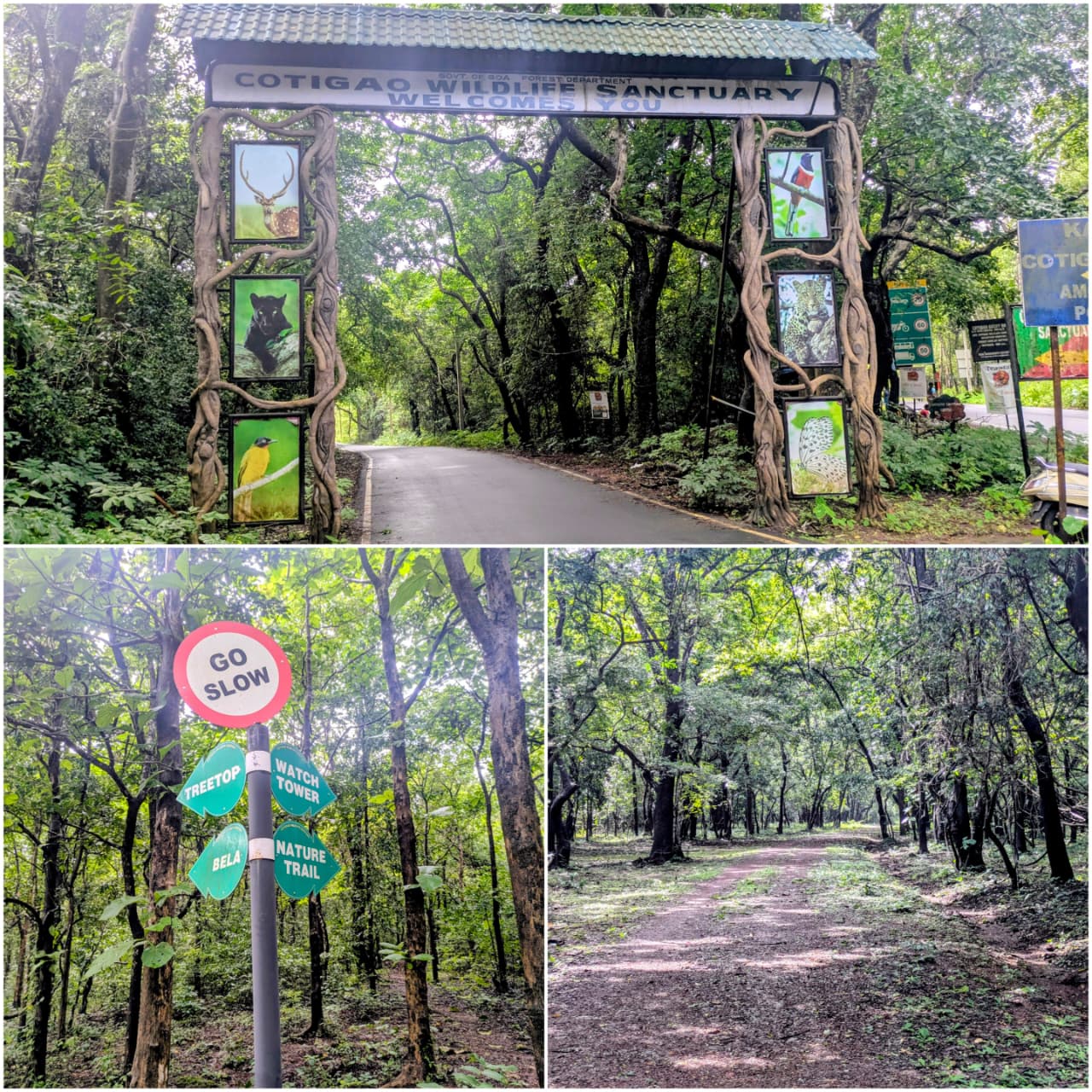
Anyway, there was no point dwelling on it now. We explored the entrance area, admired the bird and insect sculptures, paid the entry fee, picked up a map, and set off into the sanctuary, curious to see what awaited us inside.
We stopped at the first trail, where two sanctuary staff members were waiting to guide us. That surprised us even more. Cotigao isn’t exactly a famous tourist destination, so there were hardly any visitors around, yet two staff members were assigned to the trail. It immediately made us think of Kanniyakumari Wildlife Sanctuary, where, despite the overwhelming number of tourists, we are often severely understaffed.
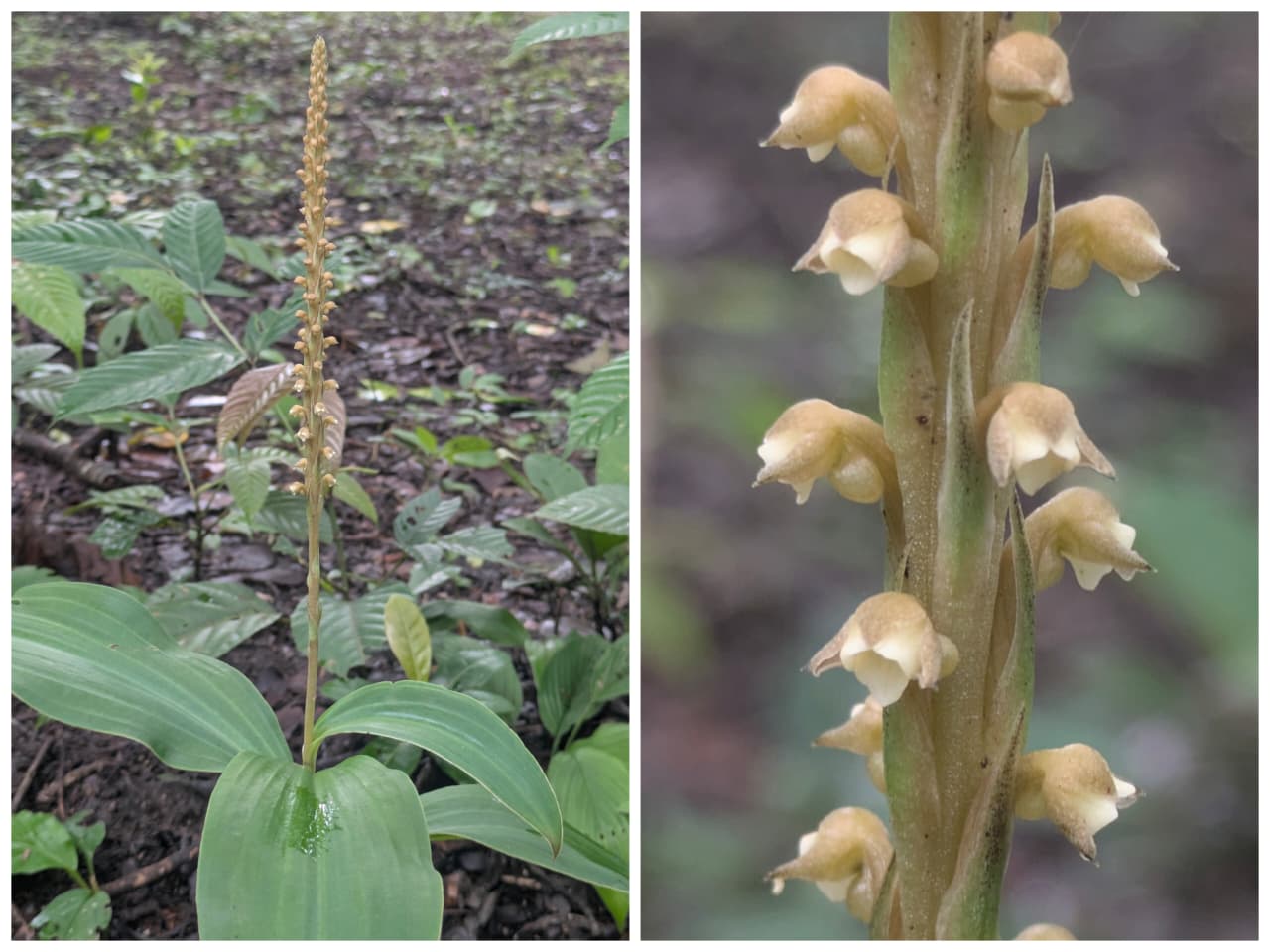
Almost as soon as we started walking, I spotted a ground orchid in full bloom. And then we began seeing them everywhere, scattered across the forest floor.
A little later, Vinod spotted a crab sitting on a tree and called us over, but by the time we reached him, it had already disappeared into a crevice. Raghu then told us about the famous Ghatiana atropurpurea—the beautiful purple crab found in very few locations. I had never heard of this crab before, so I was intrigued.
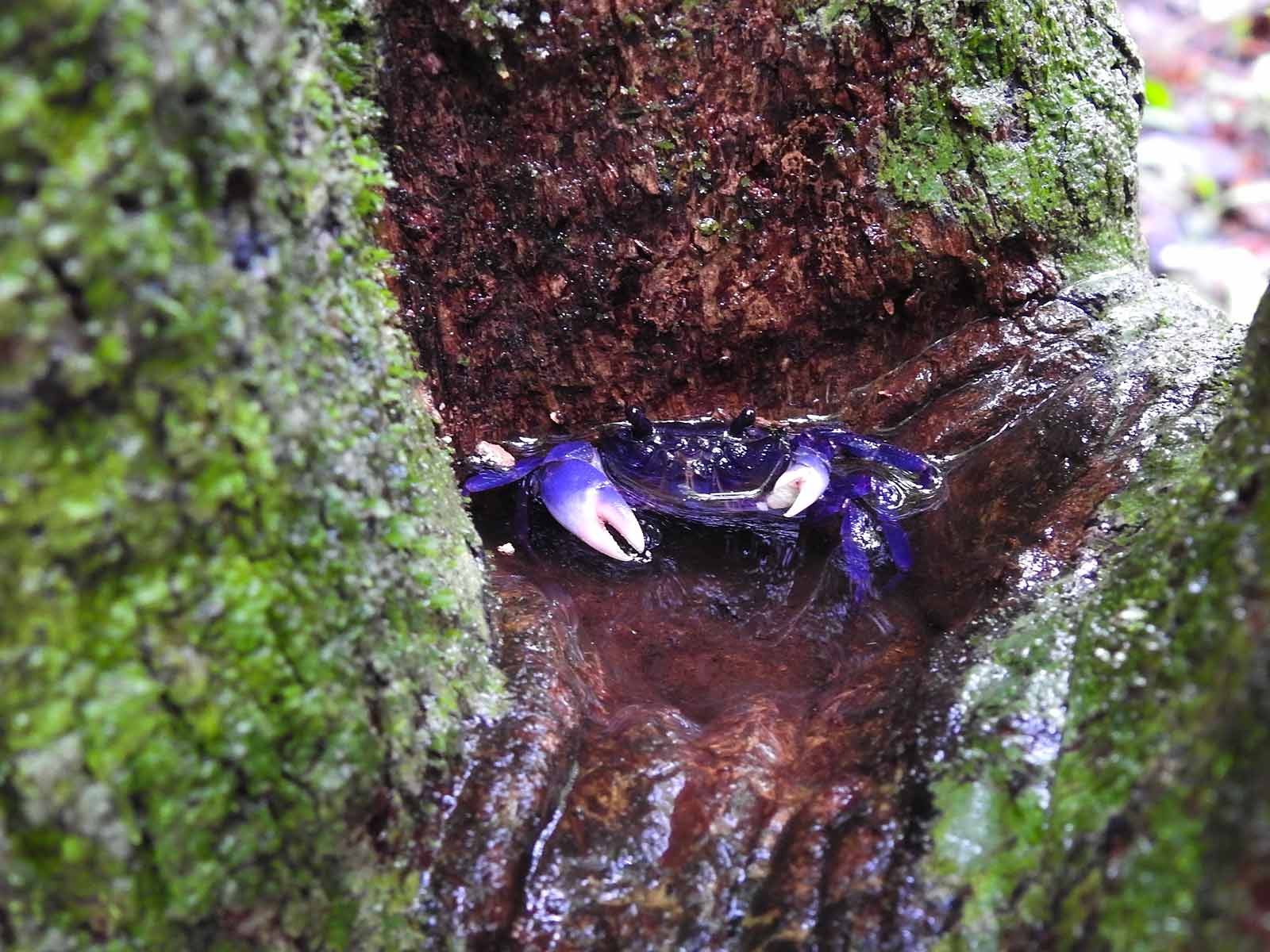
Not long after, Vinod spotted another one—a gorgeous purple crab perched on a broken tree. It was sitting inside one of the small hollows filled with rainwater, looking completely at home in its tiny watery refuge.
We continued along the trail for a little while longer, spotting a Bronzeback Vine Snake and a Racket-tailed Drongo along the way. But our toddler was beginning to get restless, so we decided to turn back and head towards the Kuskem waterfall.
On the way to the falls, we stopped at a fascinating laterite plateau that immediately caught our attention. The plateau was dotted with tiny flowers, including Utricularia and pipeworts, reminding me of the famous Kaas Plateau. I couldn’t help wondering if visiting this place in another season might reveal an even more spectacular display of blooms.
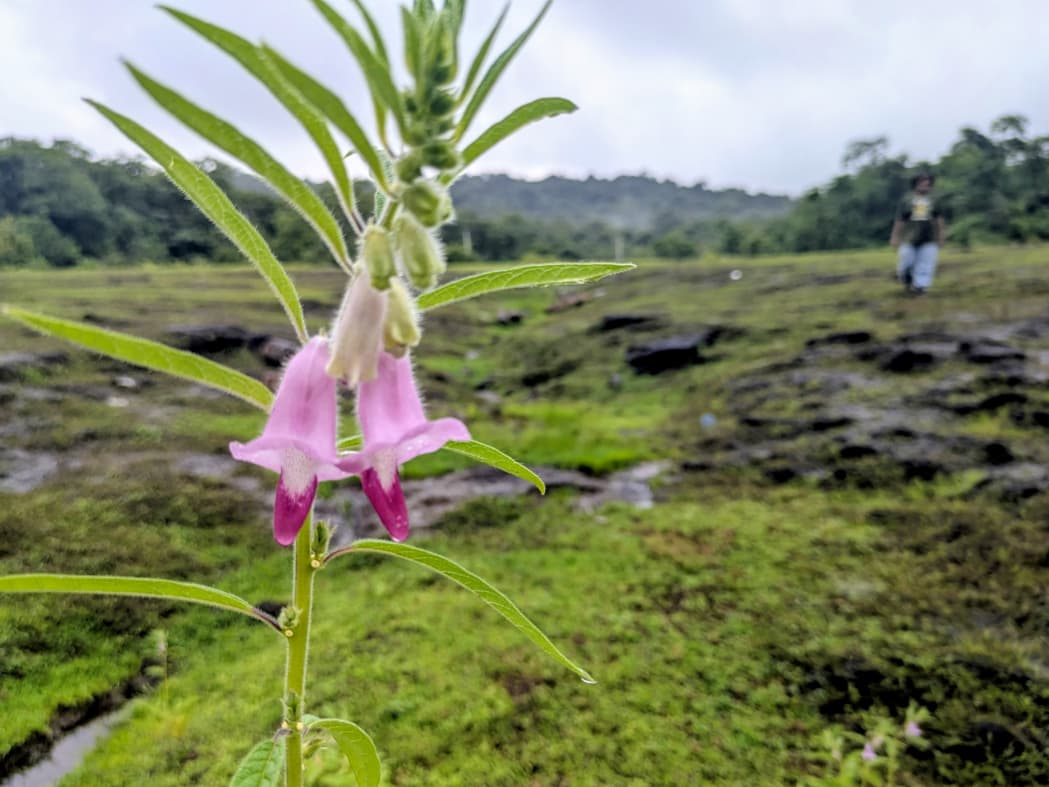
The habitat also made us curious about what else it might hold. Given more time, I’m sure we could have spotted some unique frogs and interesting flora here. But with the weather constantly threatening rain, we couldn’t linger for long.
Just before we reached the Kuskem falls, however, the little one finally fell asleep. Vinod stayed back with her while Raghu, Rewa, and I continued towards the waterfall. It was a relaxed walk, with the three of us simply chatting and enjoying the surroundings. We spotted a few interesting insects along the way, though there weren’t many plants in bloom.
When we finally reached the Kuskem waterfall, it was absolutely beautiful and well worth the walk.
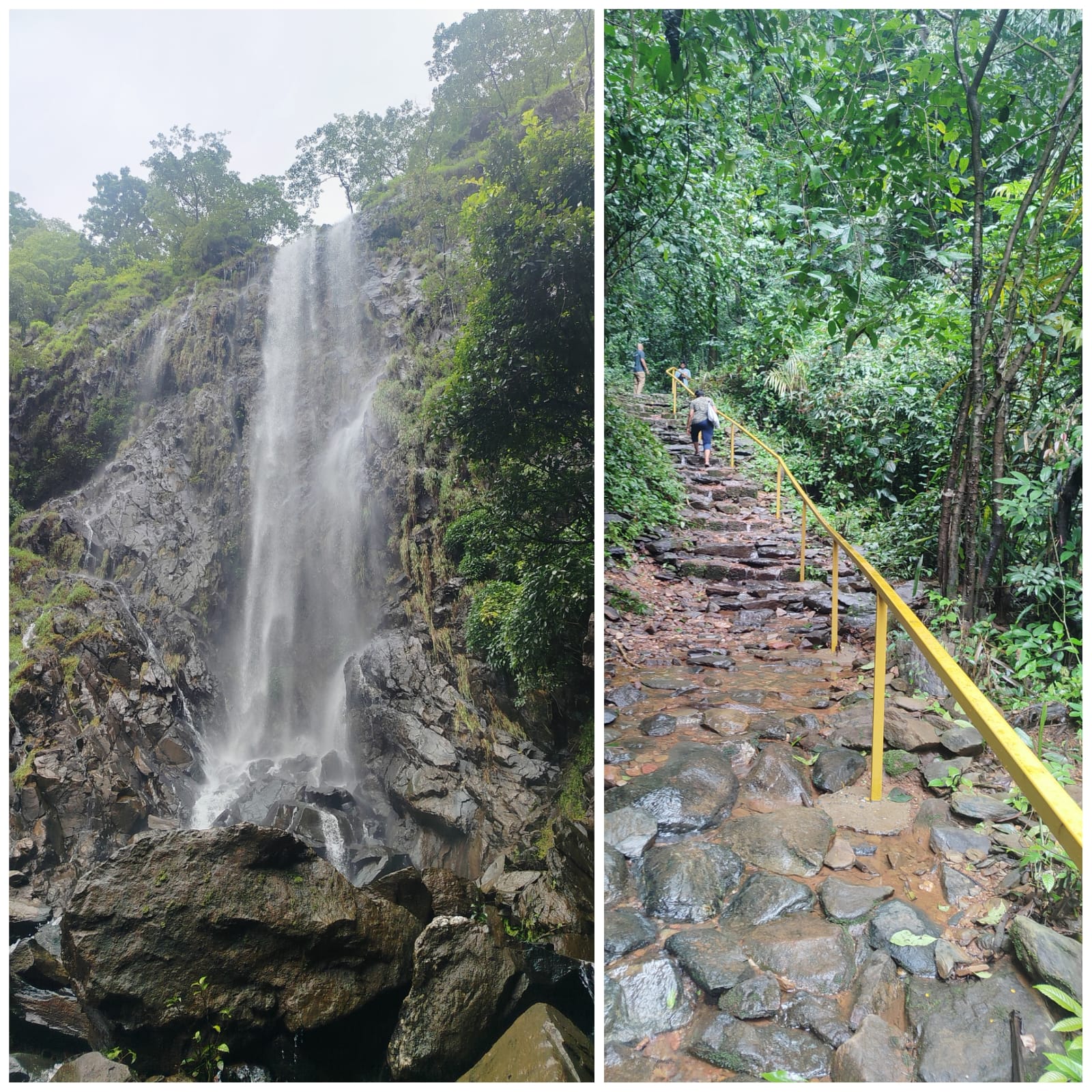
On our way back, Raghu spotted a wasp struggling to carry a grasshopper towards its nest. Before we could watch the drama unfold, the rain started pouring, forcing us to move along.
By the time we returned, our toddler was wide awake—and everyone was hungry. We drove out of the sanctuary through a landscape that kept changing between forest, villages, and agricultural fields. It was clear that the sanctuary wasn’t surrounded by one continuous stretch of forest. We passed a few small hotels, but none seemed to offer a proper meal.
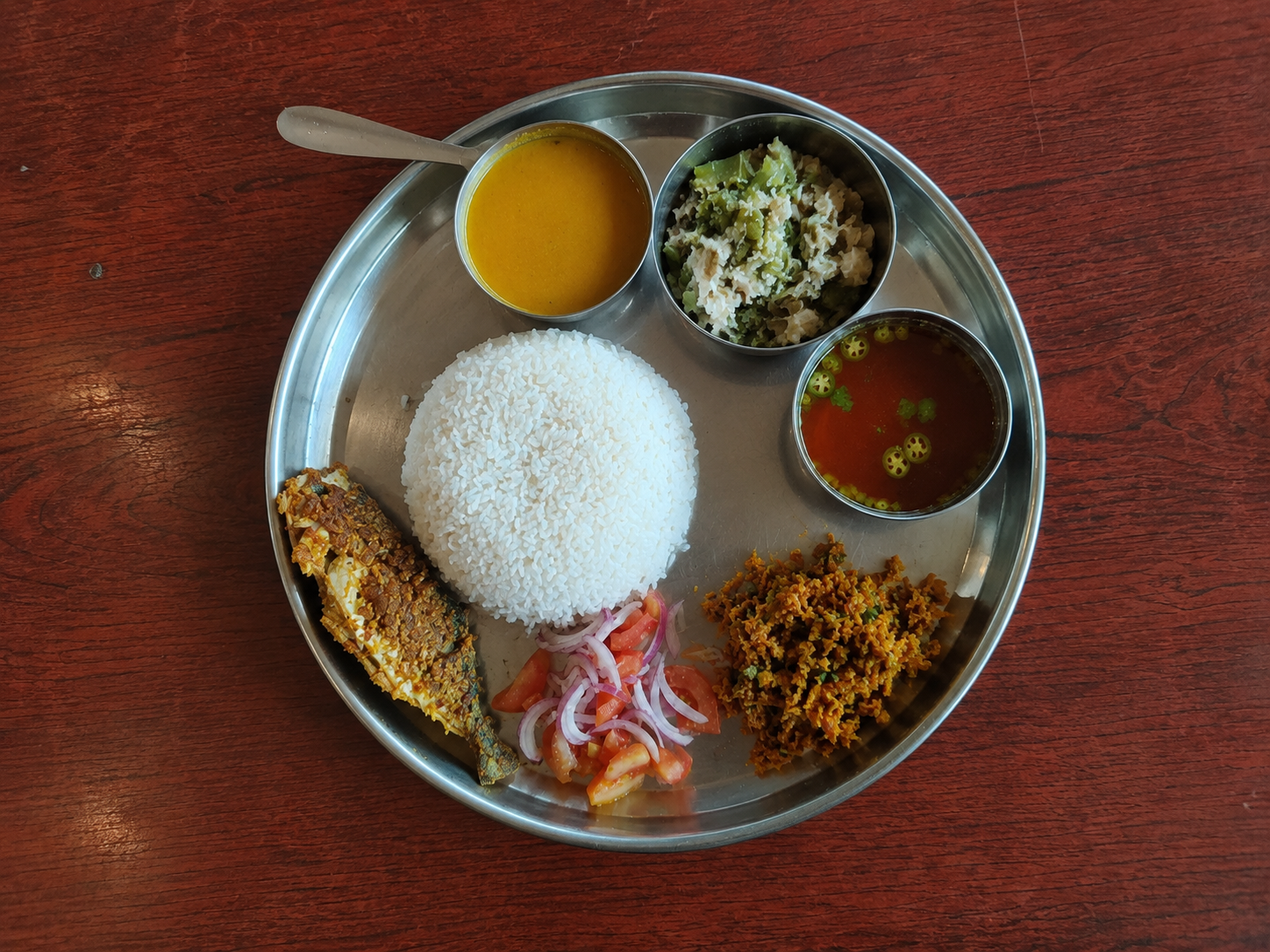
Just after stepping out of the sanctuary, though, we spotted a small local hotel and decided to check it out. To our delight, they served meals. That’s where Vinod and I got to experience a delicious Goan thali for the very first time.
After a day filled with forests, waterfalls, and rain, we finally reached our friends’ home—only to be greeted by an unexpected surprise. A pair of Malabar Pied Hornbills had come to roost in their backyard! We stood listening to their unmistakable calls, hearing those calls right outside the house was the perfect ending to an already wonderful day.