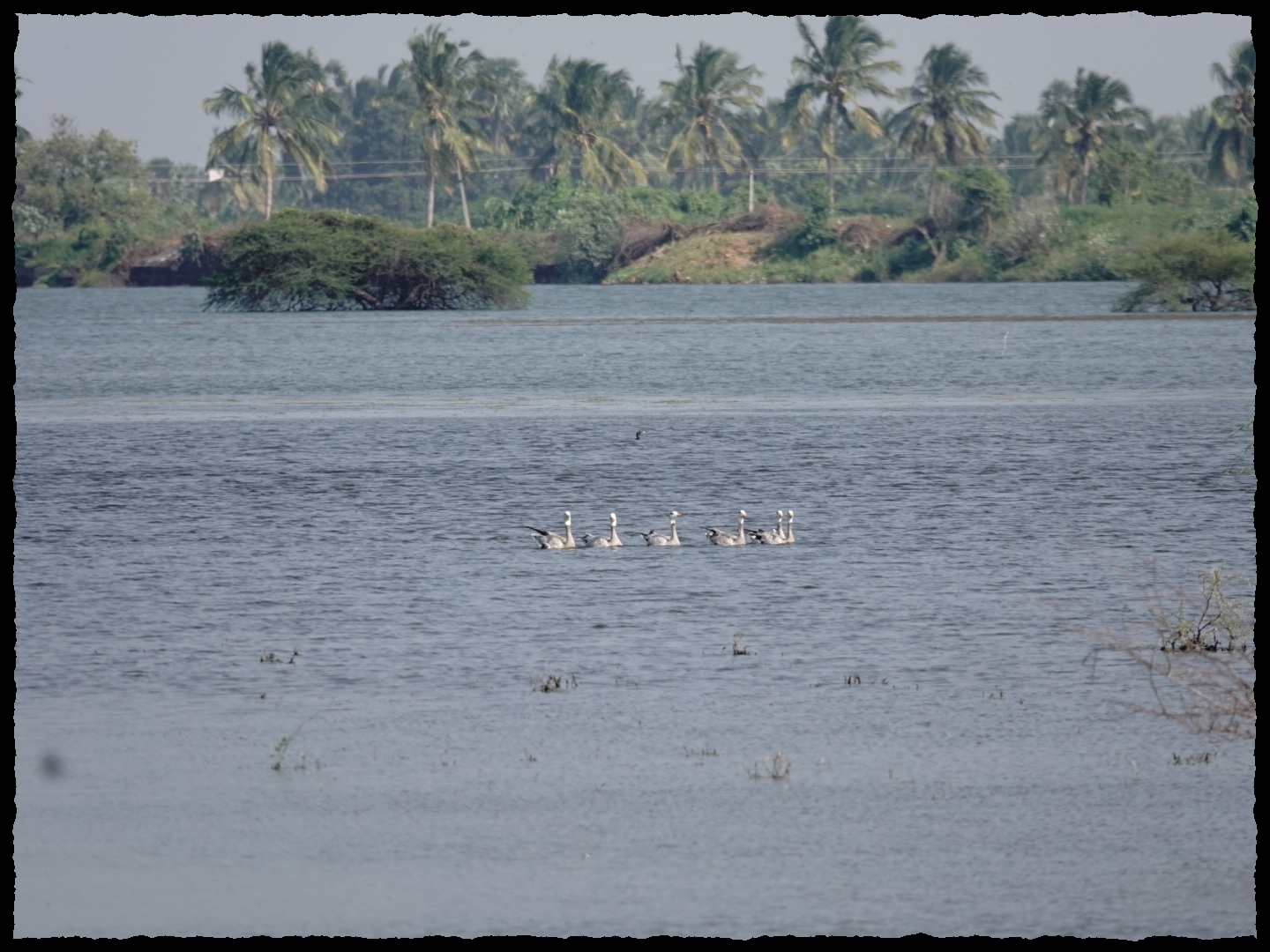
Vinod and I have visited the Koonthankulam grasslands countless times over the past 16 years. From the early days—when spotting a Knob-billed Duck or a Bar-headed Goose felt like a major milestone—to later visits that became more about quietly observing familiar birds, this landscape has carved out a special place in our hearts as birdwatchers. Every visit offers something new, something memorable, making the bond with this place grow stronger each time.
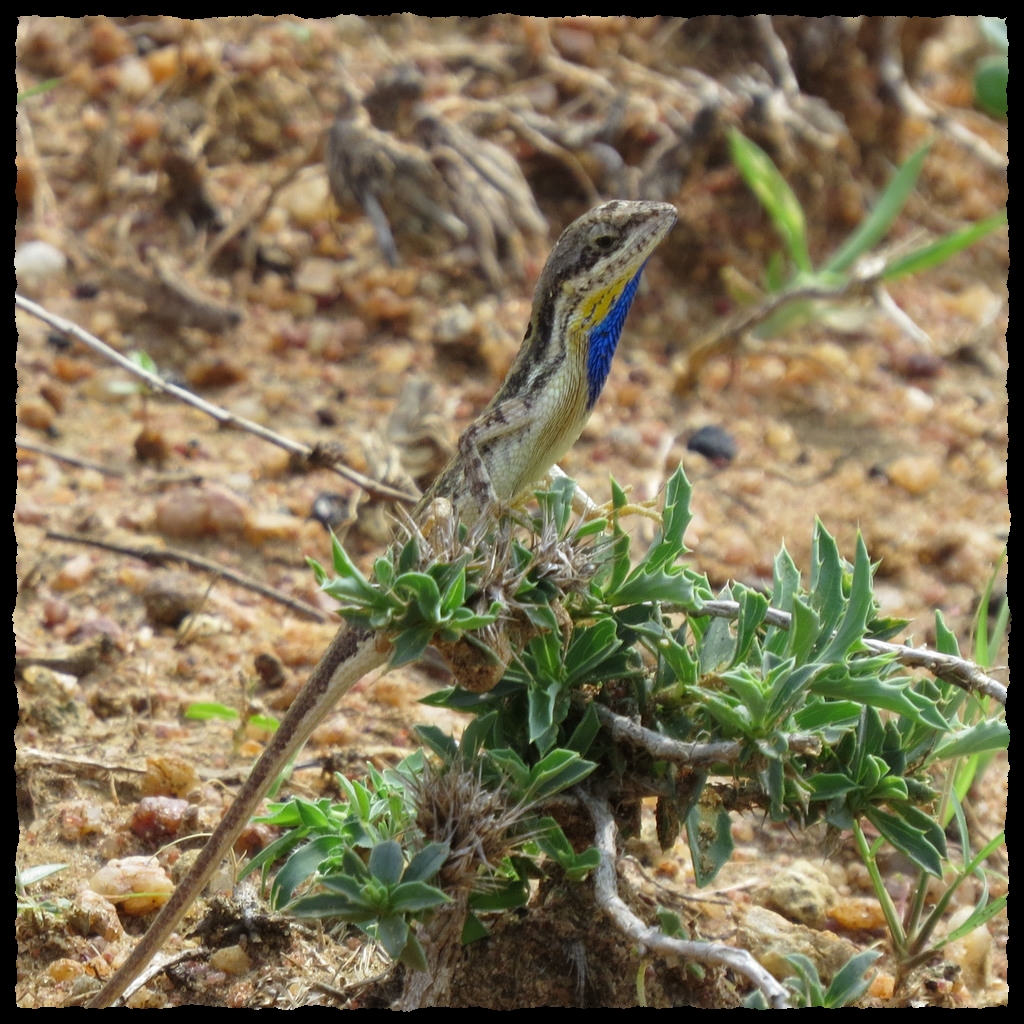
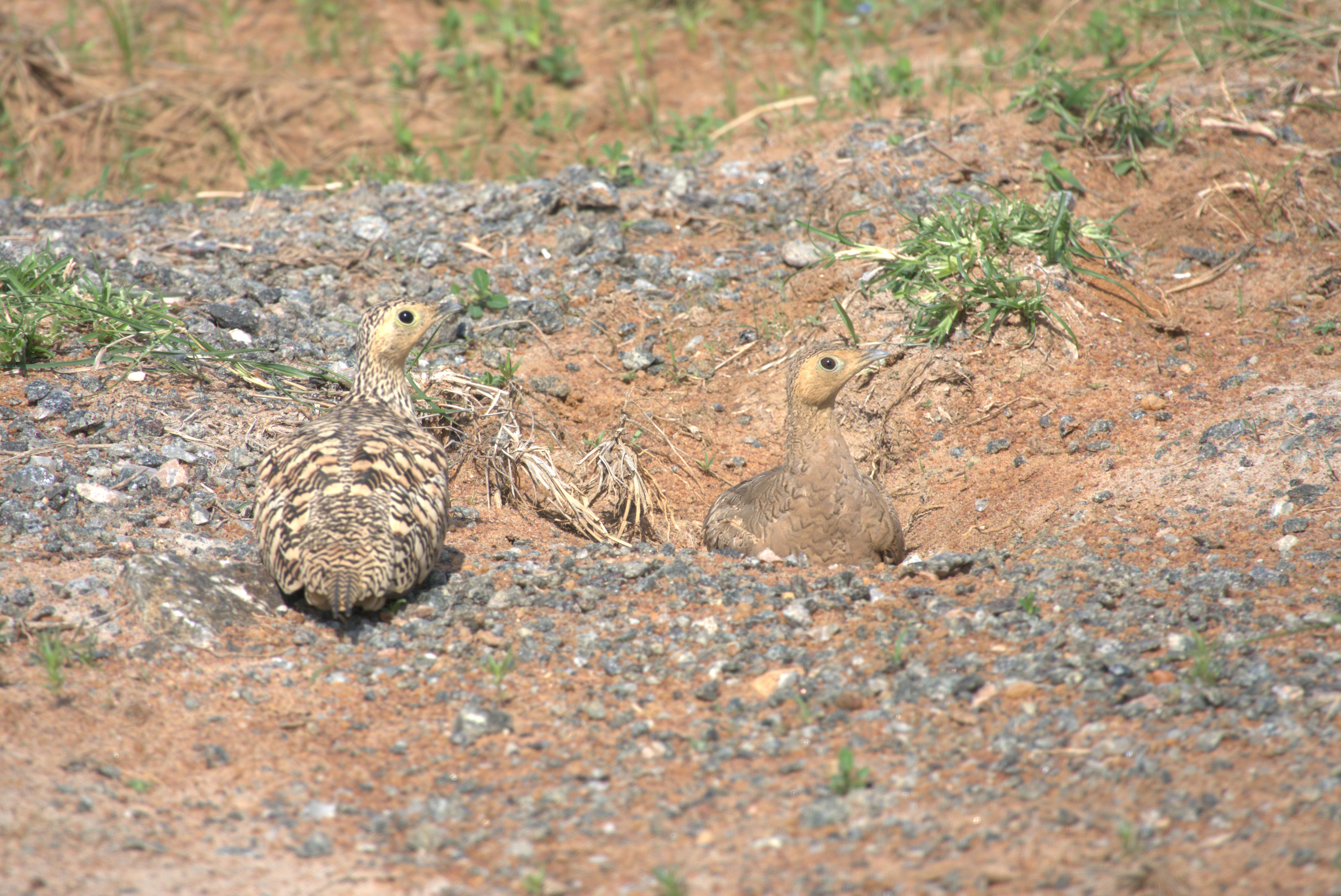
There was the unforgettable moment when a flock of Chestnut-bellied Sandgrouse grazed so close to us . On another visit, the grasslands were alive with Fan-throated Lizards, their displays dotting the open terrain. Once, an entire patch of land was coloured by a meadow of the delicate Red Little Tree Plant. Another time, a pair of Indian Rock Eagle-Owls sat watching us intently, their piercing gaze making us feel like intruders in their realm. And these are just a few moments from a long list of encounters that have made Koonthakulam deeply personal to us.
Yet, alongside these treasured experiences, there is an increasing sense of concern. Like many other natural landscapes, this region is undergoing rapid transformation. Water diverted from a dam for agriculture has begun to alter the very character of this arid grassland. As irrigation spreads, large stretches of dry grasslands are being converted into banana plantations. What was once an open, harsh, and beautiful ecosystem is slowly losing its identity.
These dry grasslands are already a threatened habitat, and such developments place even greater pressure on them. They support a unique assemblage of dry-land birds and wildlife that cannot simply adapt to lush, irrigated fields. Watching this change unfold is painful, especially for those who have seen the grasslands in their raw, natural state for years.
We have also encountered many interesting native species in this arid grassland, including plants like Dyschoriste madurensis (Madurai snake herb), Parasopubia delphinifolia (Common Sopubia), and several others that are unique to such dry landscapes. As our interest in wildflowers grew over the years, we began to clearly understand the ecological importance of places where native plants still thrive. These plant communities are not just visually appealing; they form the foundation of the grassland ecosystem and support a wide range of wildlife.
Back in 2011, we recorded a plant that, with the botanical knowledge we had at the time, we believed belonged to the Utricularia genus. Those early observations played a key role in shaping our curiosity and attention towards grassland flora.
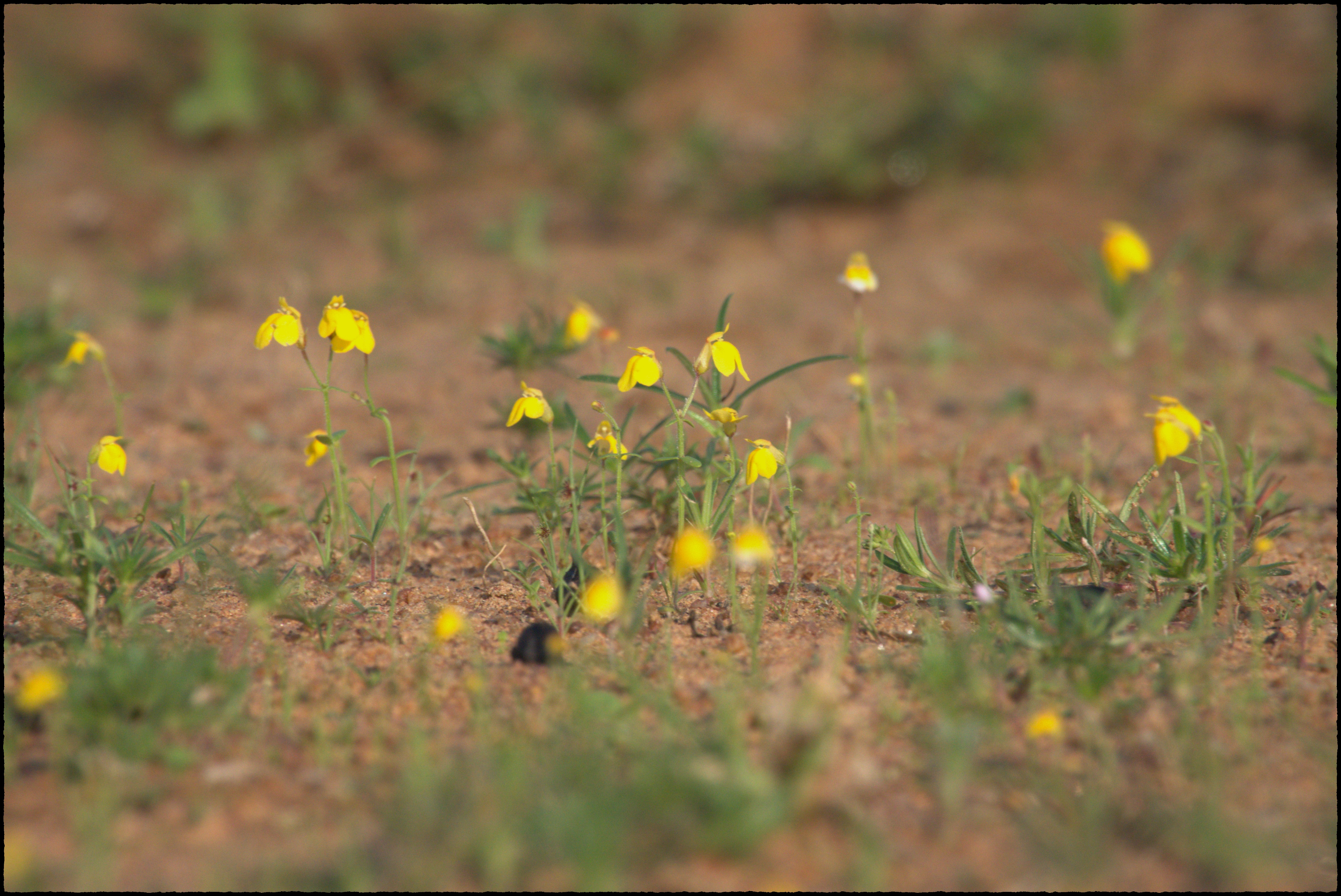
On a recent visit with our little one—her fifth visit to Koonthankulam, I believe—we stopped along the roadside when we noticed the ground carpeted with yellow flowers, with well-camouflaged Indian Coursers running around the open meadow. Vinod went in for a closer look at the six Indian Coursers foraging in the grassland, while I remained on the road, keeping an eye on our little one, who was excitedly trying to spot birds with her new, tiny binoculars.
From where I stood, I noticed a few yellow-flowering plants from the Fabaceae family and initially assumed they were responsible for turning the meadow into a sea of yellow.
Amidst the open grassland, a lone Indian bushbeech stood quietly, adding a gentle charm to the already beautiful scene. When Vinod returned, he told me that there was another yellow flower in the meadow—this one in full bloom—and that it was different from what I had noticed earlier. Curious and drawn by his excitement, I walked into the grassland.
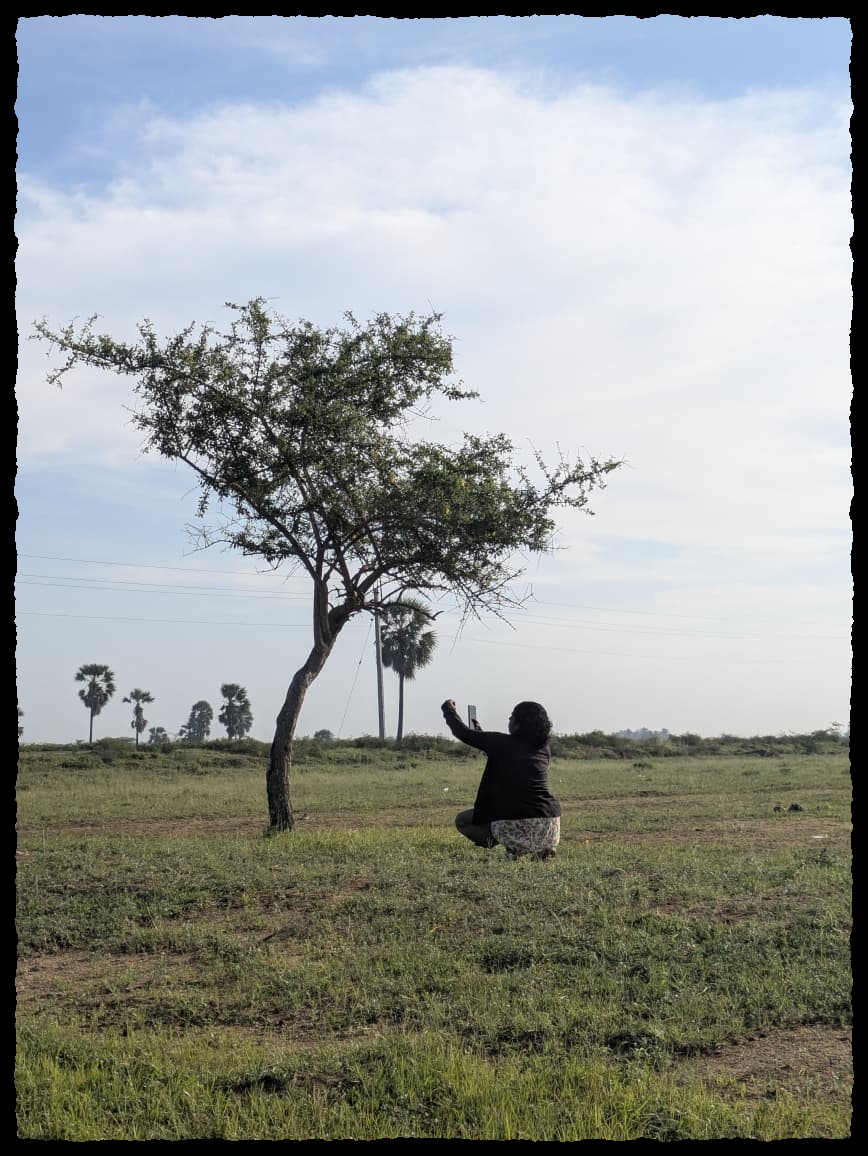
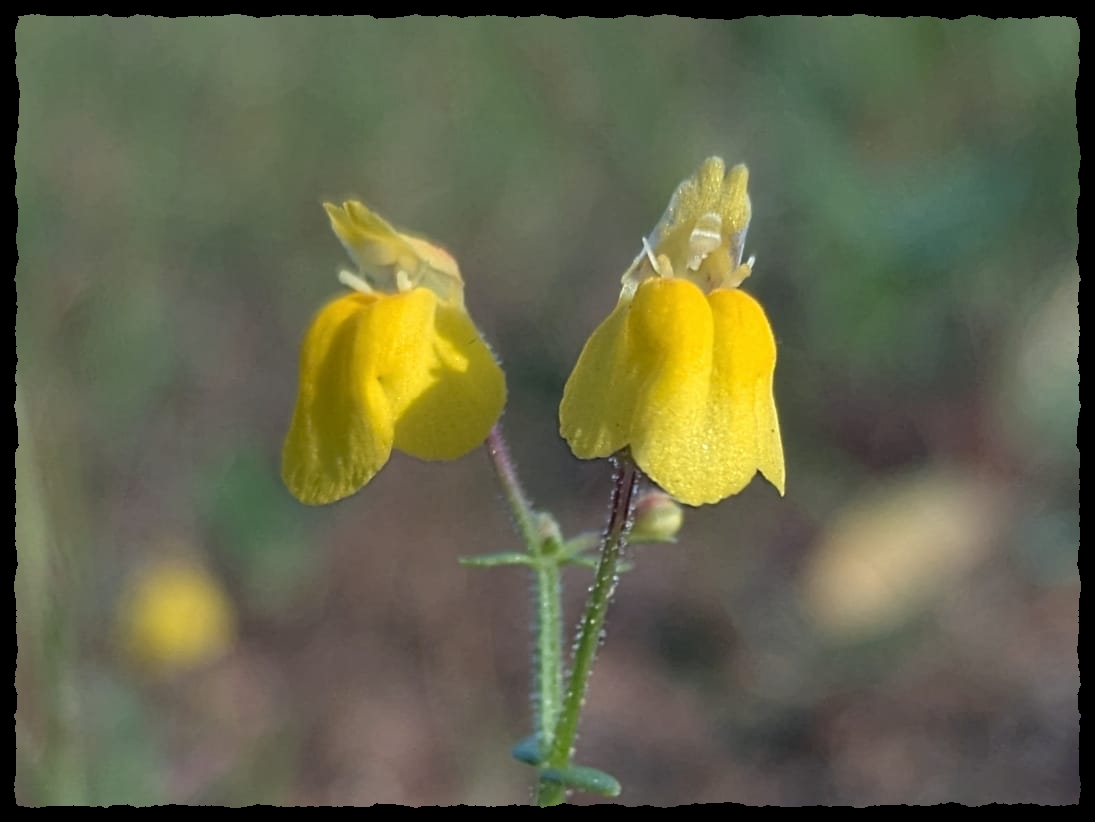
Inside, the meadow was transformed. Fragile yellow flowers stretched in every direction, carpeting the ground so completely that I hesitated to take even a single step. I was afraid of crushing them, of disturbing something so delicate and fleeting. As I stood there, my mind kept circling back to a familiar thought—the shape of the flower reminded me of Utricularia, yet it clearly wasn’t one. Almost instantly, memory filled the gap. This was the very same plant we had seen nearly 15 years ago.
Seeing it again filled me with a quiet joy. Despite the widespread destruction and rapid changes happening all around Koonthankulam, this tiny plant was still holding on, thriving in a small, overlooked patch of land. But that joy was quickly shadowed by worry. Plot stones were scattered everywhere, silent markers of future ownership and inevitable change. They stood as a harsh reminder that if this land is sold, the flowers, the birds, and all these small, unnoticed lives could vanish overnight. In that moment, the beauty of the meadow felt both precious and painfully fragile.
We continued our drive, but my mind stayed back in that meadow. I kept searching on my phone, scrolling through plant descriptions and images, and reached out to a few friends for help with identification. The plant showed a striking resemblance to Lindernia minima. When I read further and realised it is listed as endangered, my excitement was mixed with unease. Only a handful of small patches have been recorded so far, making our sighting feel both special and heavy with responsibility.
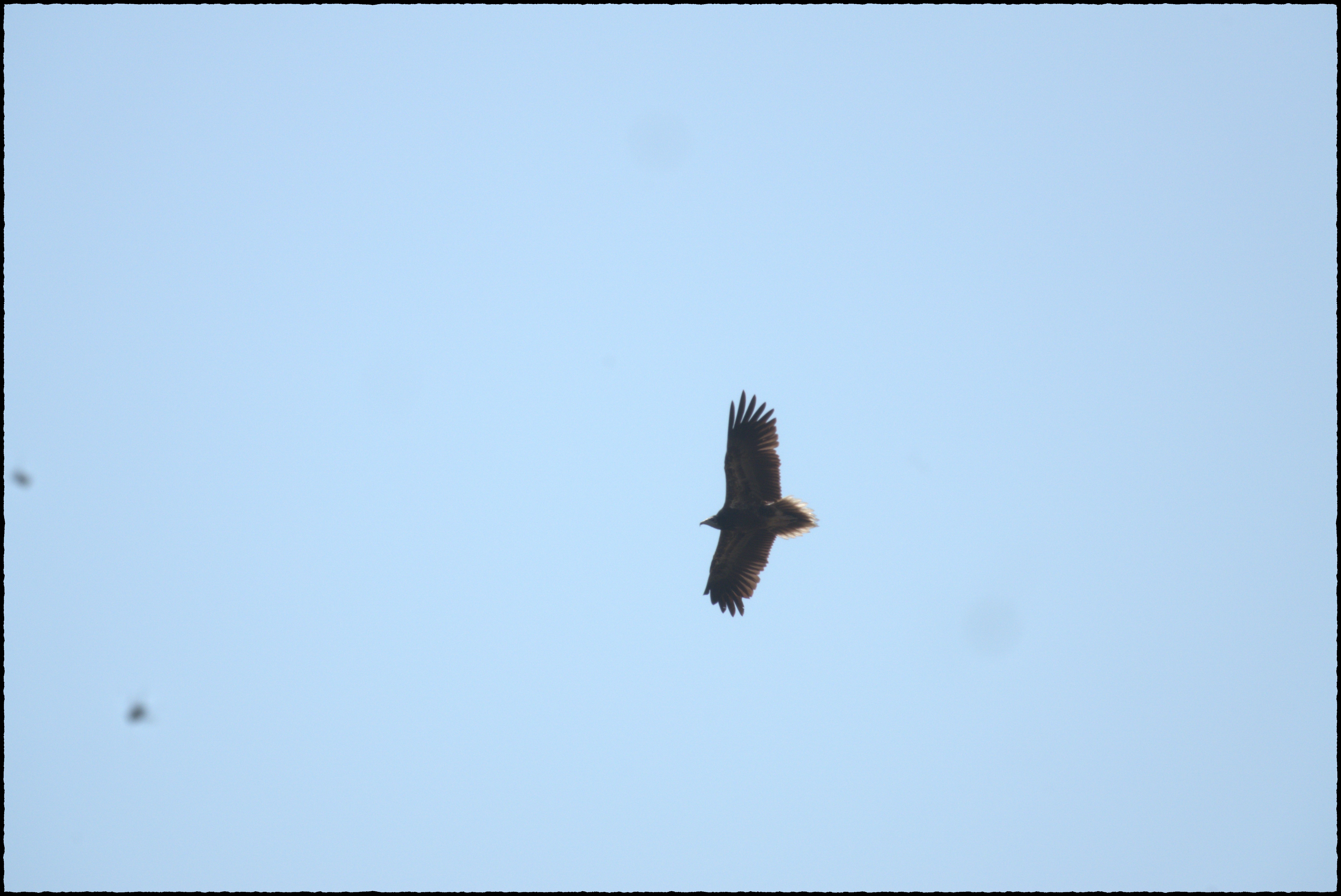
The rest of the drive was filled with spectacular wildlife moments—Egyptian Vultures soaring overhead, hundreds of Bar-headed Geese grazing peacefully across the grassland, and vast flocks of Short-toed Mongolian Larks moving in beautiful murmuration-like waves over the open plains. Each of these sightings was remarkable in its own way. Yet, despite all this abundance, the true highlight of the trip remained that tiny, fragile yellow flower—Lindernia minima.
This experience reinforced something we have felt for years: dry, arid grasslands are often misunderstood and undervalued. Because they do not look lush or green, they are easily dismissed as “wastelands,” making them the first to be converted for agriculture, plantations, or development. In reality, these ecosystems support highly specialised plants, birds, reptiles, and insects that cannot survive elsewhere. Once such grasslands are altered, the loss is permanent.
Across the world, dry grasslands are disappearing at an alarming rate, taking with them countless species that exist nowhere else. Protecting these landscapes is not just about saving charismatic birds or rare flowers—it is about recognizing the ecological richness hidden in seemingly barren land. Koonthankulam reminded us once again that conservation must also speak for the quiet, fragile lives under our feet, before they are erased without ever being truly seen.