So, usually my idea of a good time involves trekking through some remote forest, with binoculars glued to my face, hoping to spot a rare bird. Last week my adventure was a bit different. I found myself at the gates of the massive TVS factory in Hosur which makes all those scooters and bikes we are familiar with. A factory and wildlife are in the opposite ends of the spectrum but a friend insisted they had this wild 50-acre forest patch right behind the assembly lines and it was worth looking into. Curiosity got the better of me.
I was at the gate at 8:30 am along with a river of thousands of employees—apparently over 15,000 people work here! Mind-blowing scale. After getting my pass, I met Naveen from their ‘biodiversity team’ and we headed in.
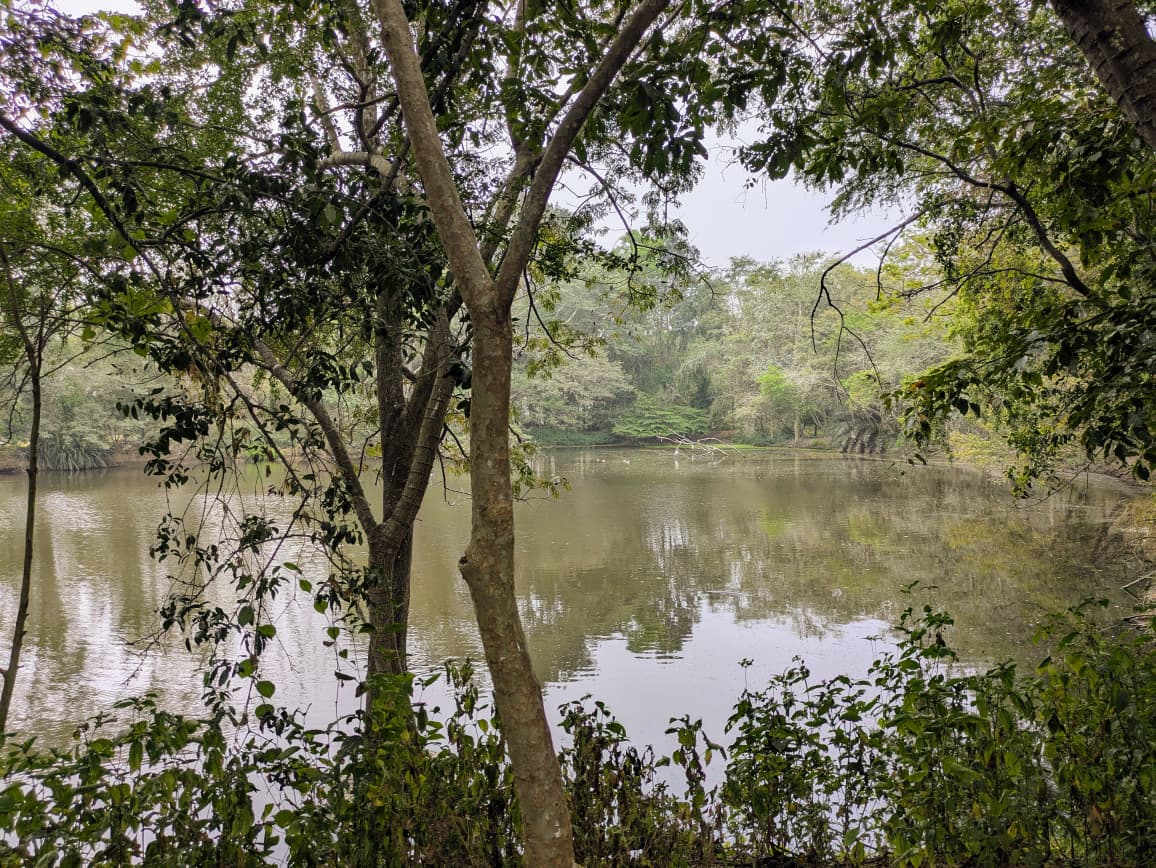
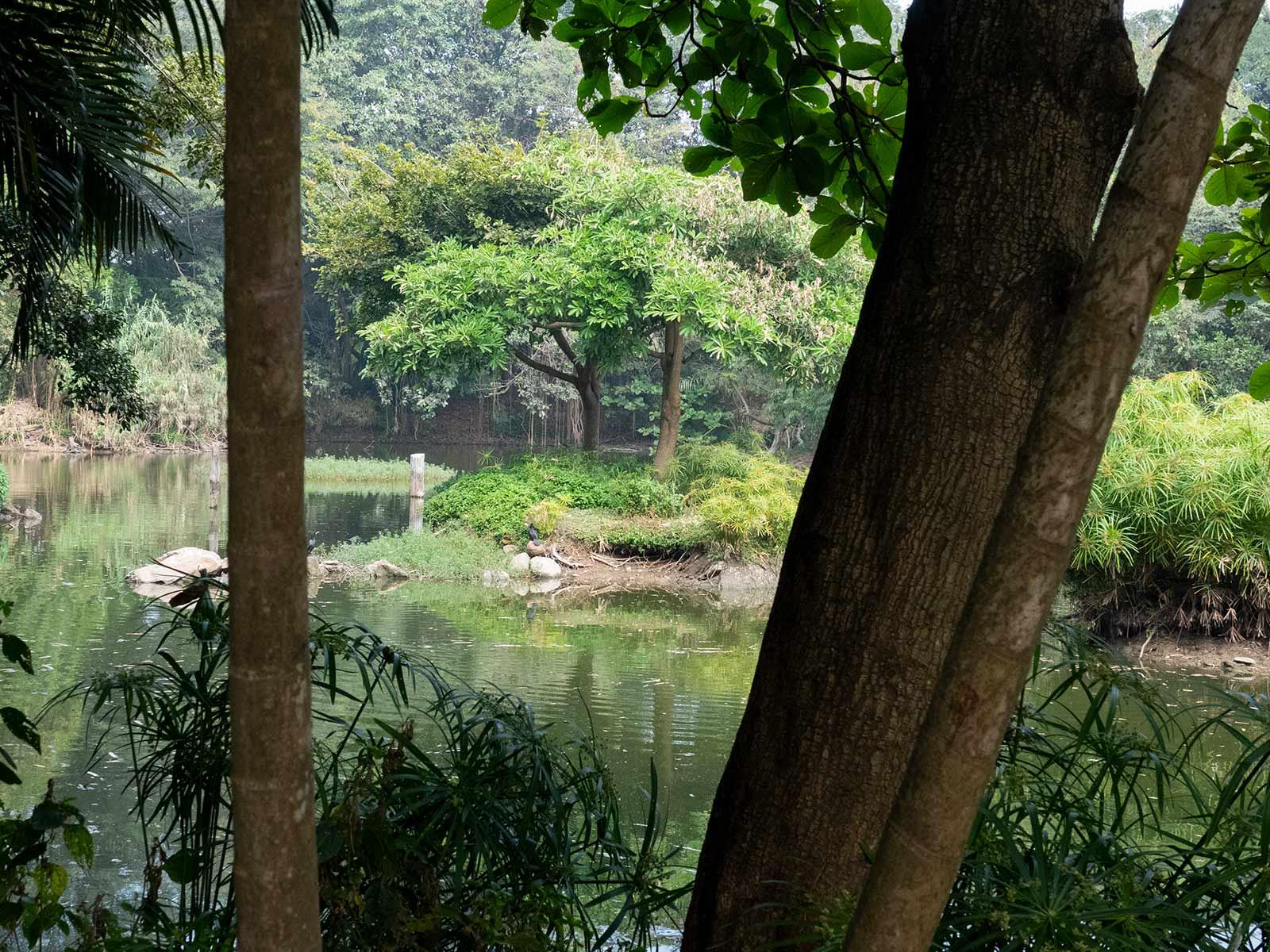
Walking past the humming, clanging production zone was surreal. For a person like me it was like a fish out of water experience. It was almost 20 years since I had stepped into a manufacturing premises. After finishing breakfast we were headed to the back. And then, just like that, the concrete and steel gave way to a pond. And not just any pond. A pond with birds everywhere. My brain, always in ‘spotting mode’, instantly counted over 15 species. Then I saw something that normally shouldn’t be there. Was that… a Grey Jungle fowl? In a factory campus? That’s when I knew this wasn’t some makeshift greenery. This was the real deal.
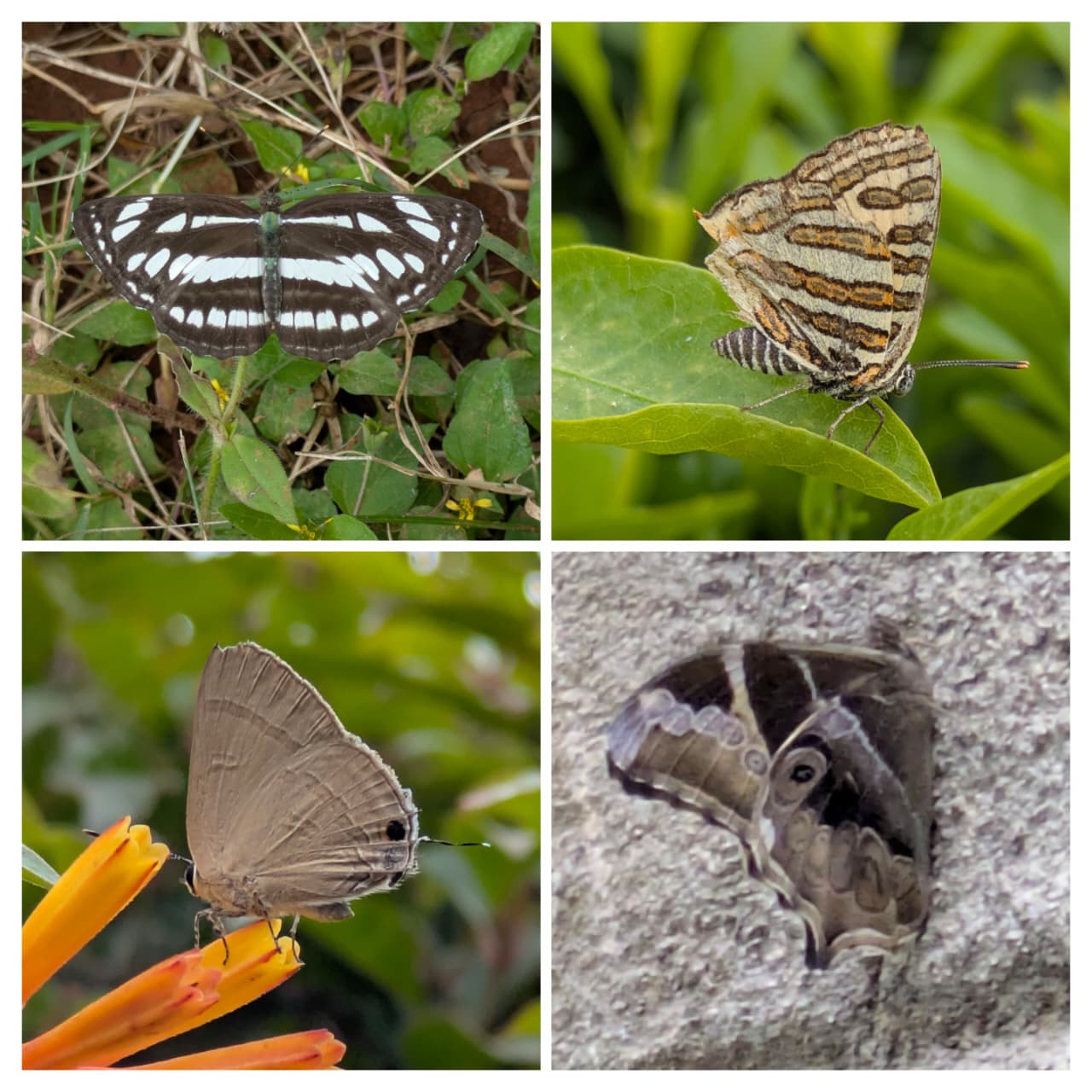
The surprises came fast. Butterflies. A temple with a butterfly garden full of the right plants—not just the pretty flowers, but the host plants caterpillars need. They even had Crotalaria plants getting munched on by moth caterpillars. This was good stuff because not many understand the basics of the butterfly garden and all of them plant only the flowering plants forgetting the fact that butterflies are short lived insects which need host plants more than anything.
A good collection of butterflies can be found here based on the vegetation I saw. As per a butterfly survey done earlier they have recorded over 100 species of butterflies.
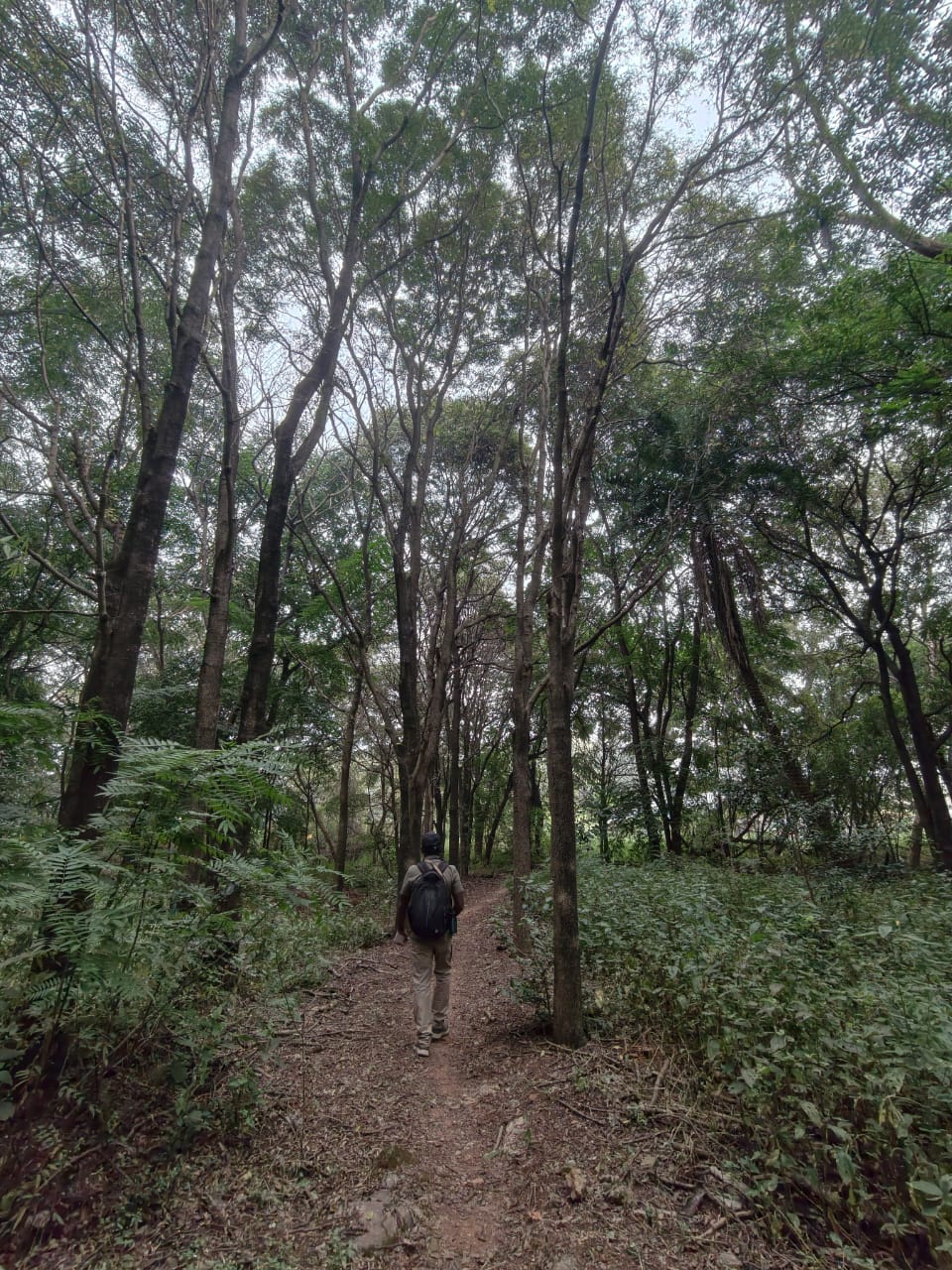
Then we ducked into the actual woods. It got shady and quiet, and Naveen casually says, “Oh, most of these are sandalwood.” Thousands of them. And they weren’t planted. Birds brought them here! I have one sandalwood tree which I watch from my terrace in Nagercoil, and it’s a bug and bird magnet. This was a whole forest full of them!
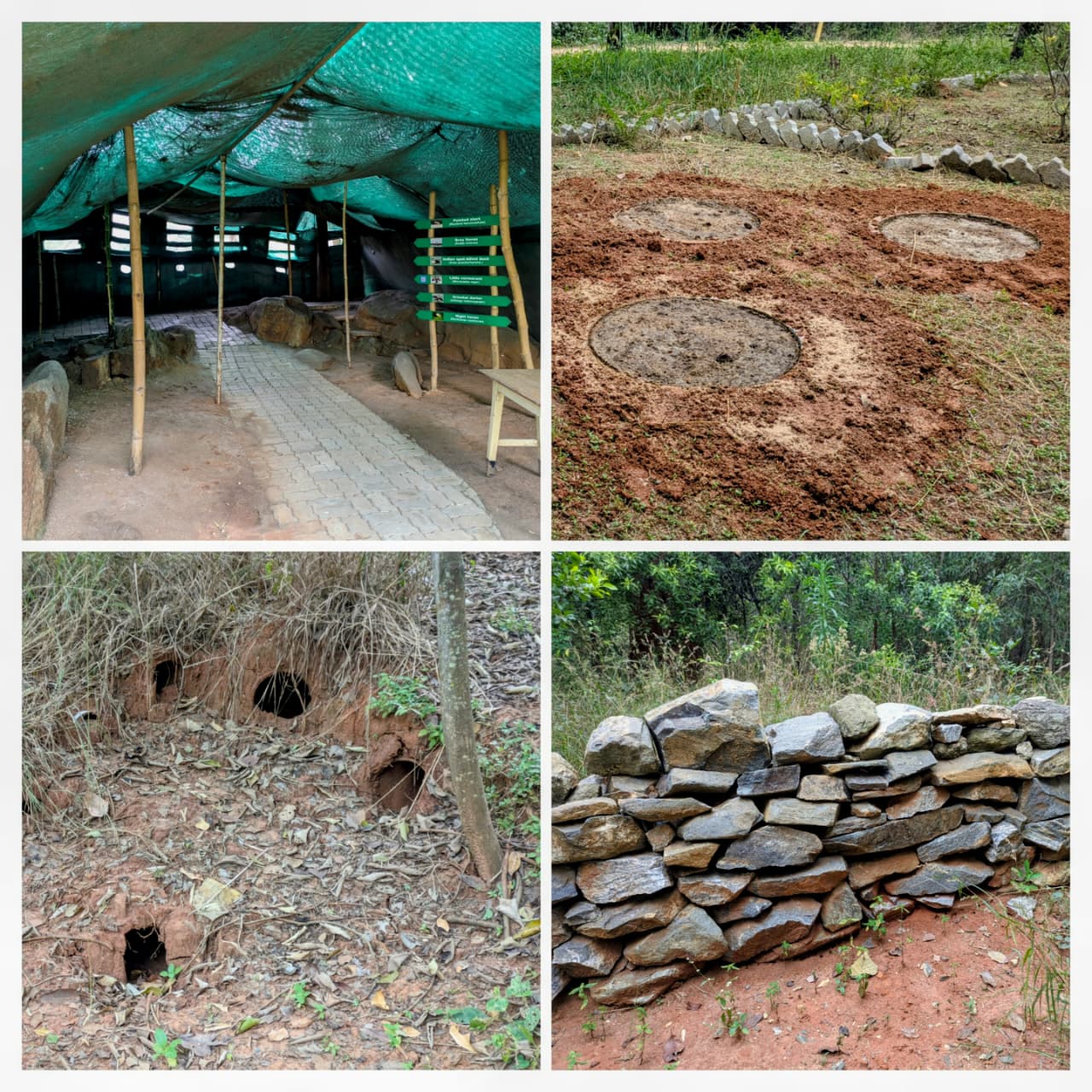
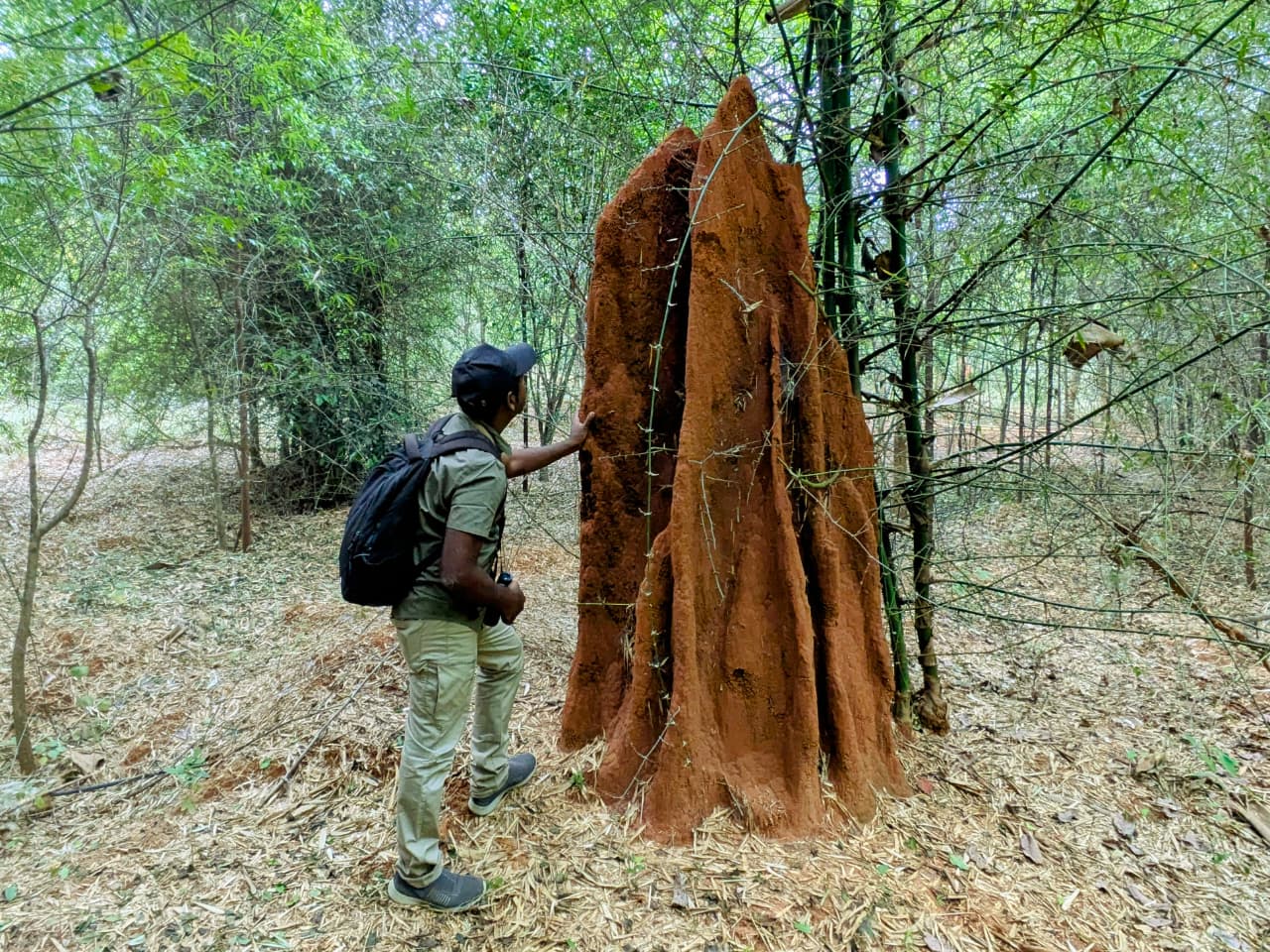
We saw termite hills, little man made holes for reptiles, and even a patch of bamboos they were making for slender lorises.
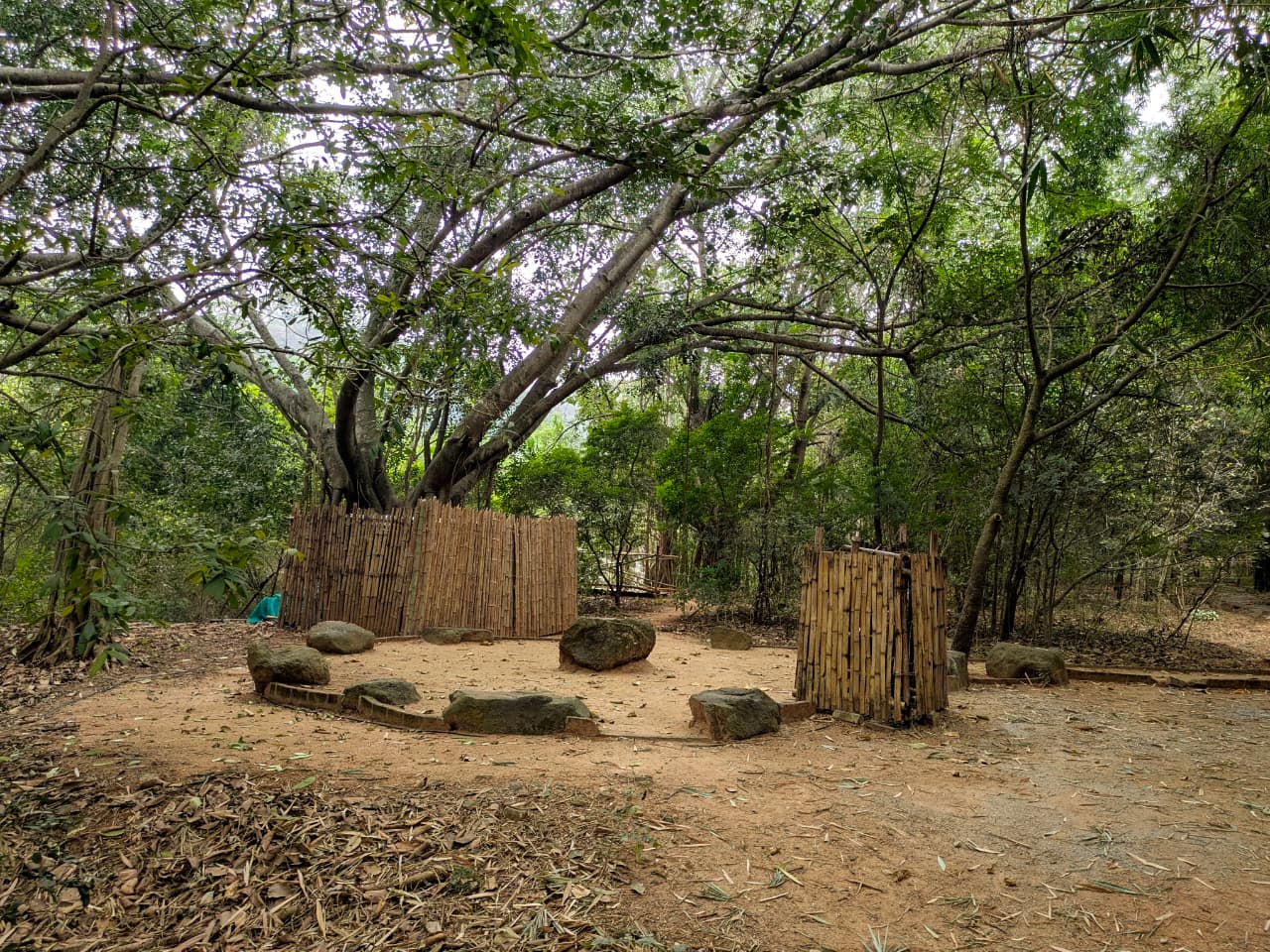
There’s a cute little education zone for school kids that made me wildly jealous for my own nature camps. I quietly thought if only we had a place like this in Nagercoil, how nice it would be for the nature camps back home.
Then we visited two more ponds which looked like excellent habitats for snipes, crakes, munia etc. Though I could not spot any, I could see the potential. Naveen told me that they had recorded all these birds. As we moved along he showed me a transplanted Alstonia scholaris tree which was growing back. I felt happy to see it growing back as it was one of my favourite trees. He explained to me how their biodiversity policy makes them to transplant trees rather than cutting it down.
Just as I was in a fully ‘forest mode’, we popped out onto a test track where they’re zipping around on secret unreleased bikes! I went from forest Zen to factory buzz in two seconds flat. One minute, it was bird calls, the next its engine revs.
We crossed into another wooded section, and Naveen showed me their latest project: a kilometer-long, reed-based wetland system which they had setup. As we walked along it I could not stop enjoying the sound of us walking on the the leaf litter. A micro habitat perfect for ground birds like the grey jungle fowl we saw earlier.
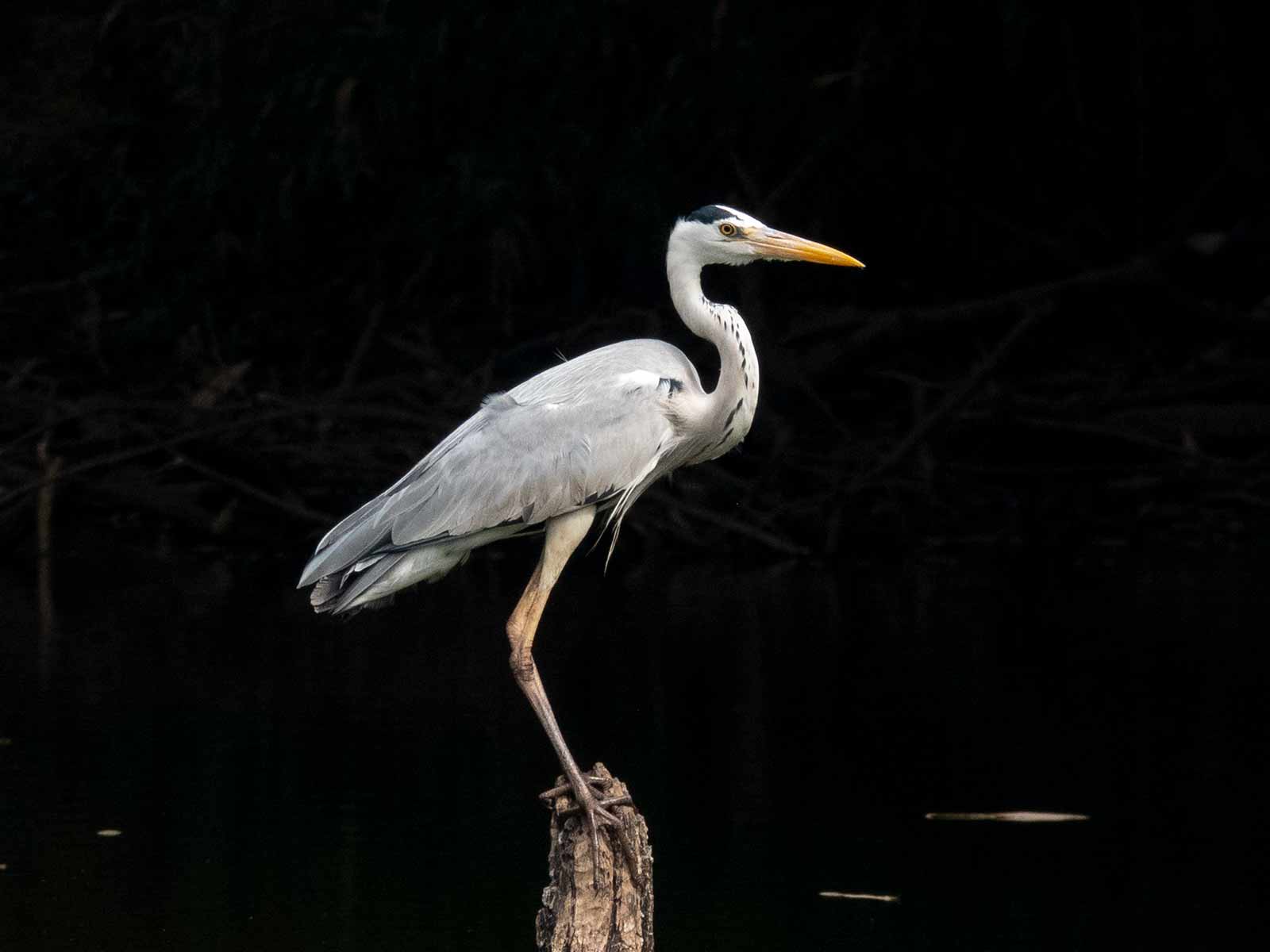
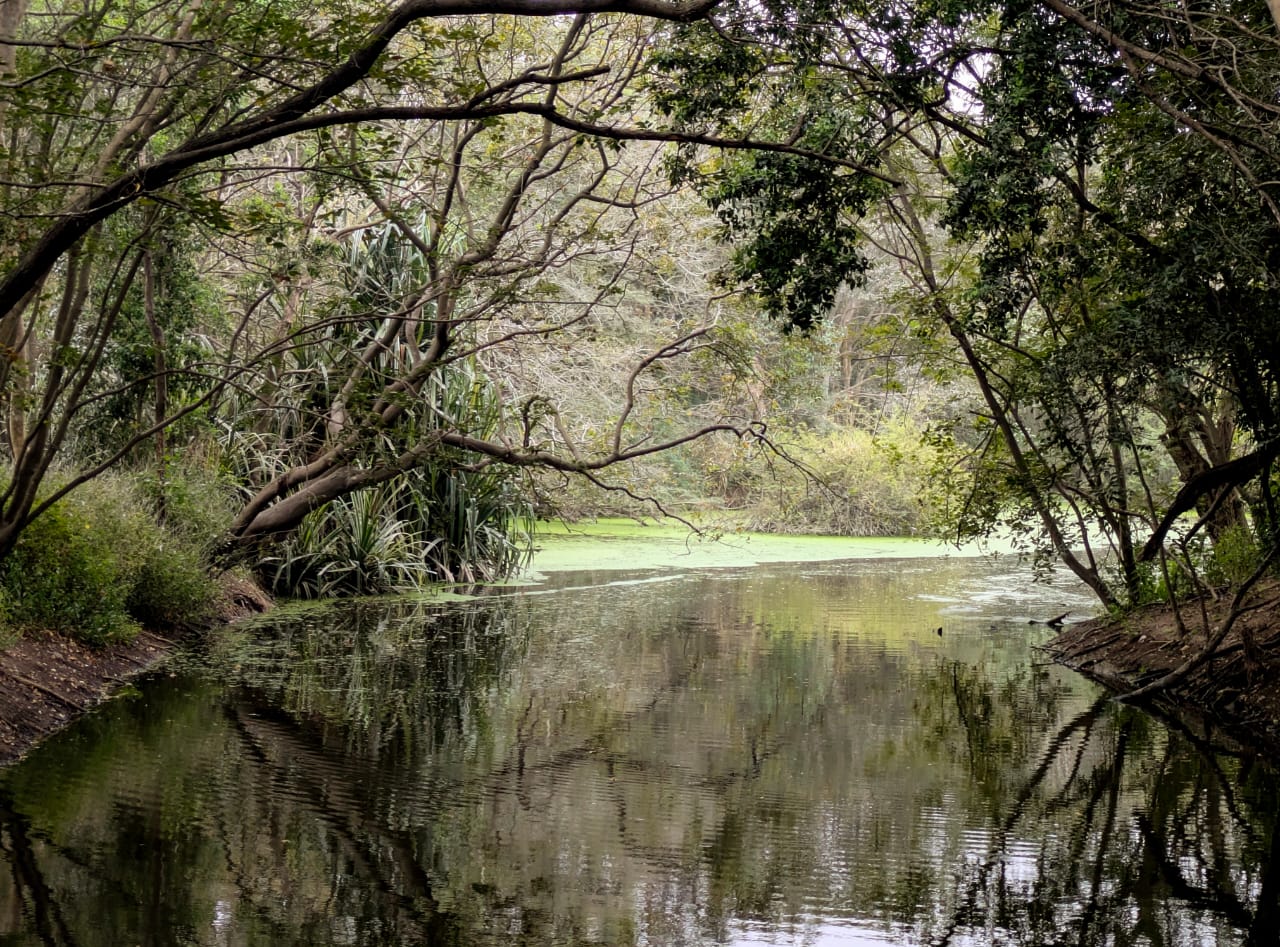
The grand finale was a series of lovely ponds, with Pandanus trees that reminded me of home, ducks, herons, and the ambient calls of Red-naped Ibises in the background. The lake gave me memories of our Kolrampathy lake birding days when we were in Coimbatore.
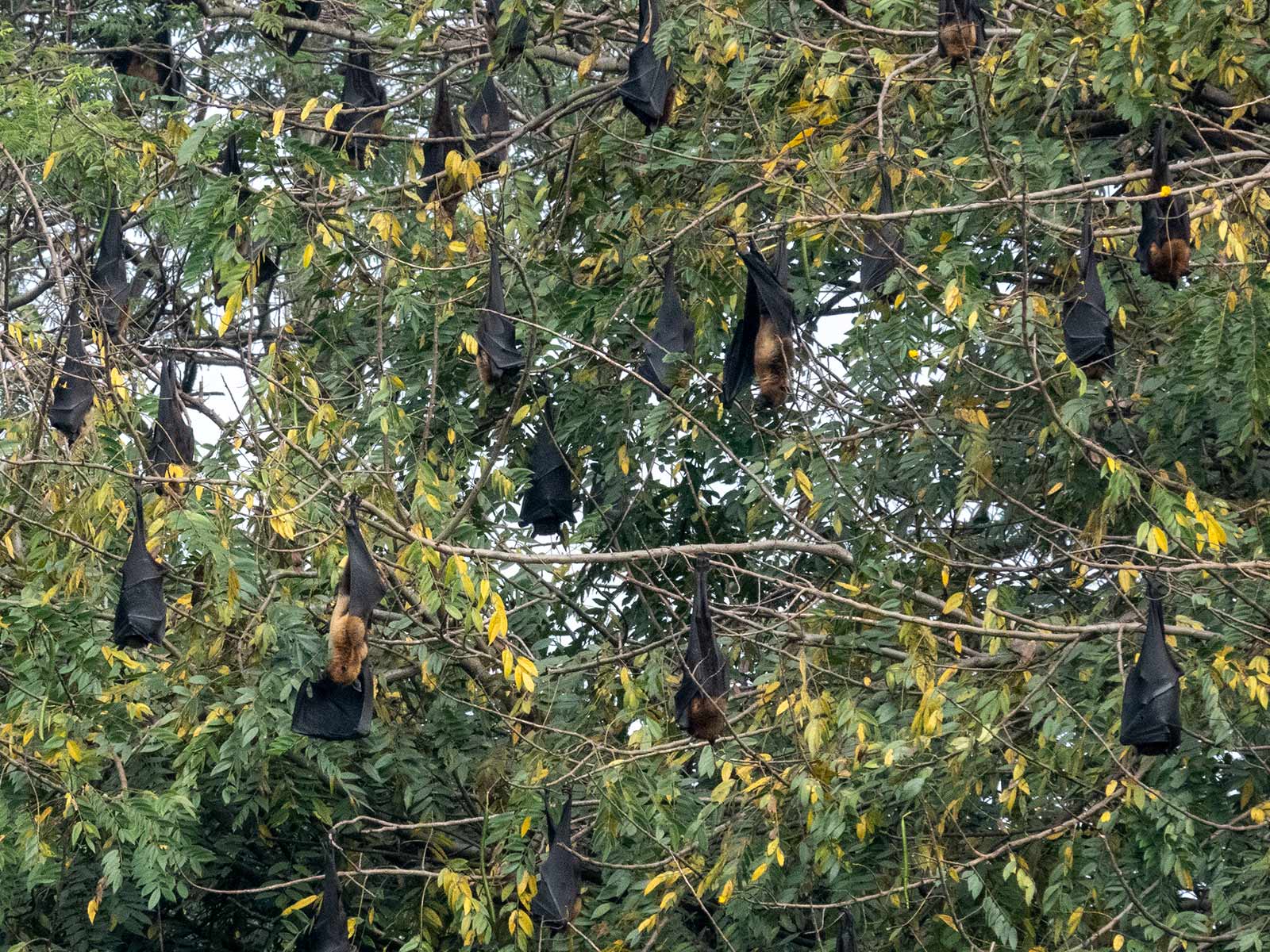
Oh, and I haven’t even mentioned the flying foxes! Huge colonies of fruit bats in the treetops, like living, breathing ornaments.
Lunch time snapped me back to reality. I had just spent a morning living in two completely different worlds at once.
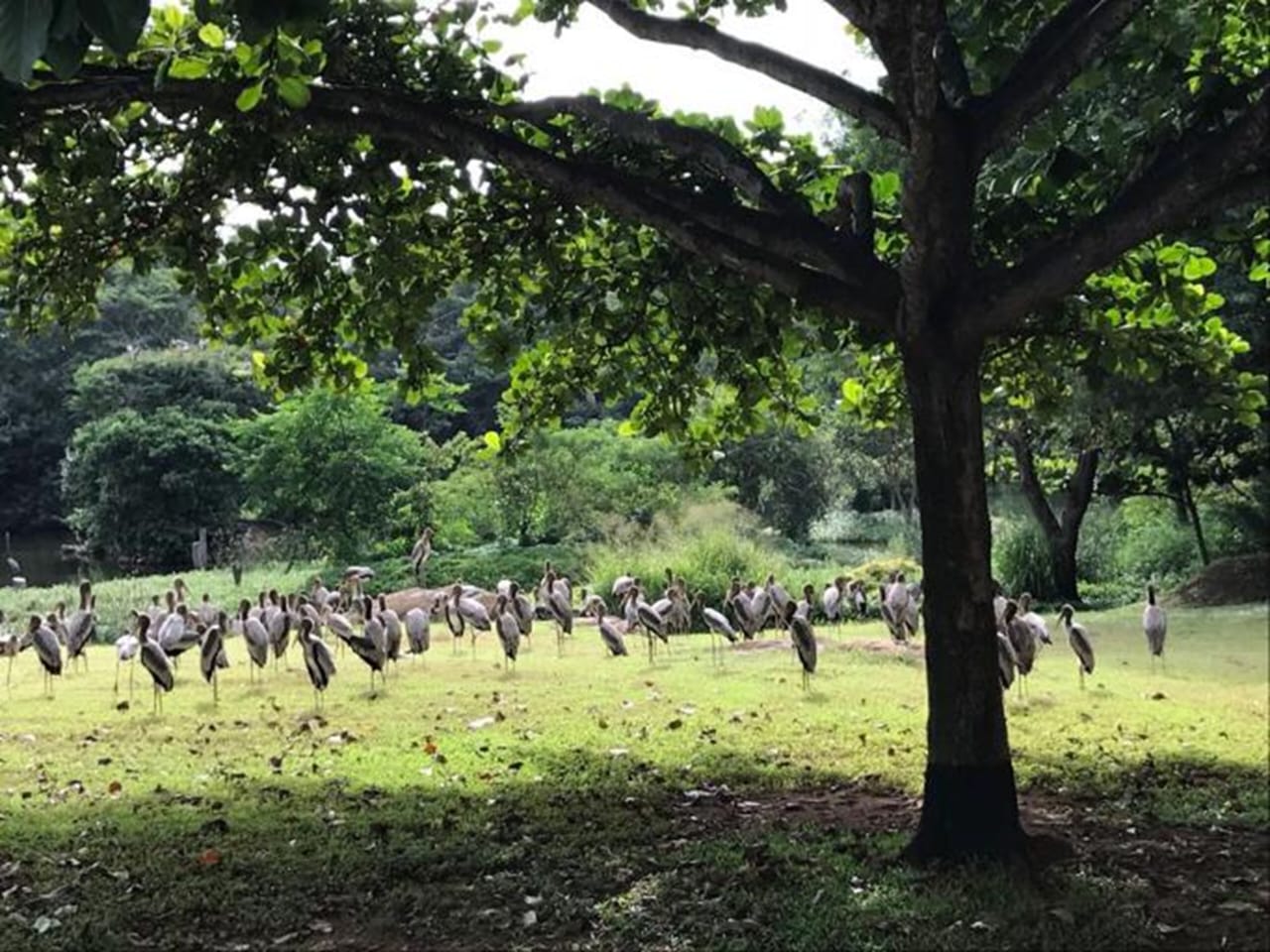
I’m a tough critic when it comes to ‘green efforts.’ But here I was just genuinely impressed. Sure, it’s not a perfect, pristine wilderness (A forest is a Forest), but the intent and the results were incredible. They move trees instead of cutting them, they’ve gone from invasive weeds to over 900 species, and they’ve clearly been at this for decades. Naveen showed old images of the factory site before construction and also current ones. One image of Painted stork juveniles caught my eye which tells me everything.
If a bird can reside safely and raise their young safely, do we really need any other parameter of success?
It was a powerful reminder that wild spaces can pop up in the most unexpected places. You just have to be willing to put in that effort and resources behind it. More importantly for efforts like these, the leadership should have the vision and commitment to make these things happen.
Exiting the campus gates was a harsh return to a familiar reality: the trash, the polluted water, the dust and chaos of Hosur. The experience shifted instantly from inspiration to a deep, frustrating sadness. The proof of concept was right behind me—a thriving natural world existing alongside human enterprise. So why does it feel like such an isolated example? We already have the blueprint. When will we, as a society, find the discipline and commitment to make this harmony a widespread reality? Or, more painfully, do we even possess the collective will to try?