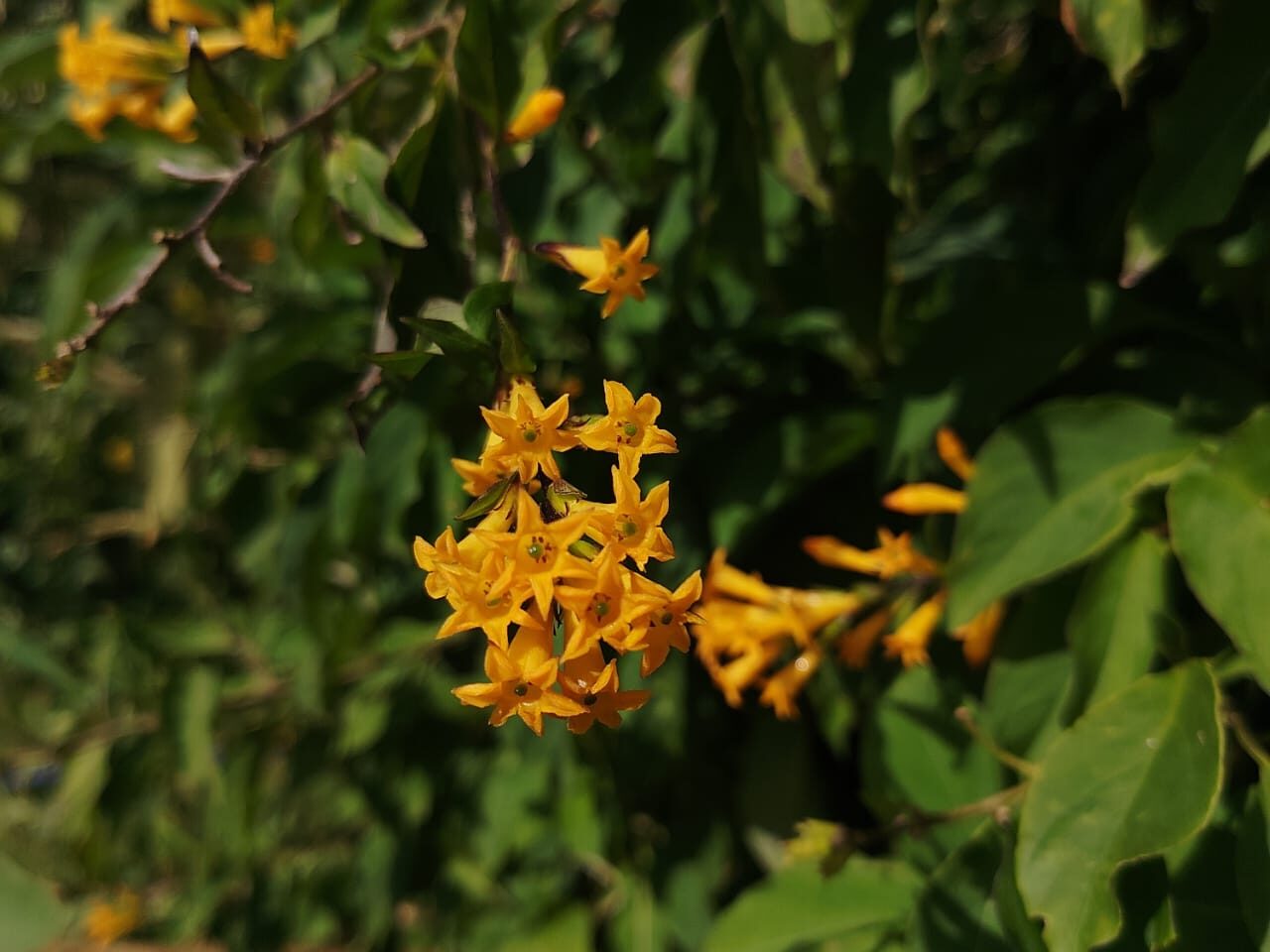
After a week of roaming around Ooty as a tourist — something I hadn’t done in many years — I began to long for the sight of real wildflowers instead of the thriving, notorious invasive plants like Cestrum aurantiacum and Solanum mauritianum . I didn’t expect to visit any forest area on this trip, as it was mainly focused on tourist attractions. But on the day before our return journey, when we headed towards Avalanche, I thought maybe there was a slight chance to escape the usual tourist-crowded places.
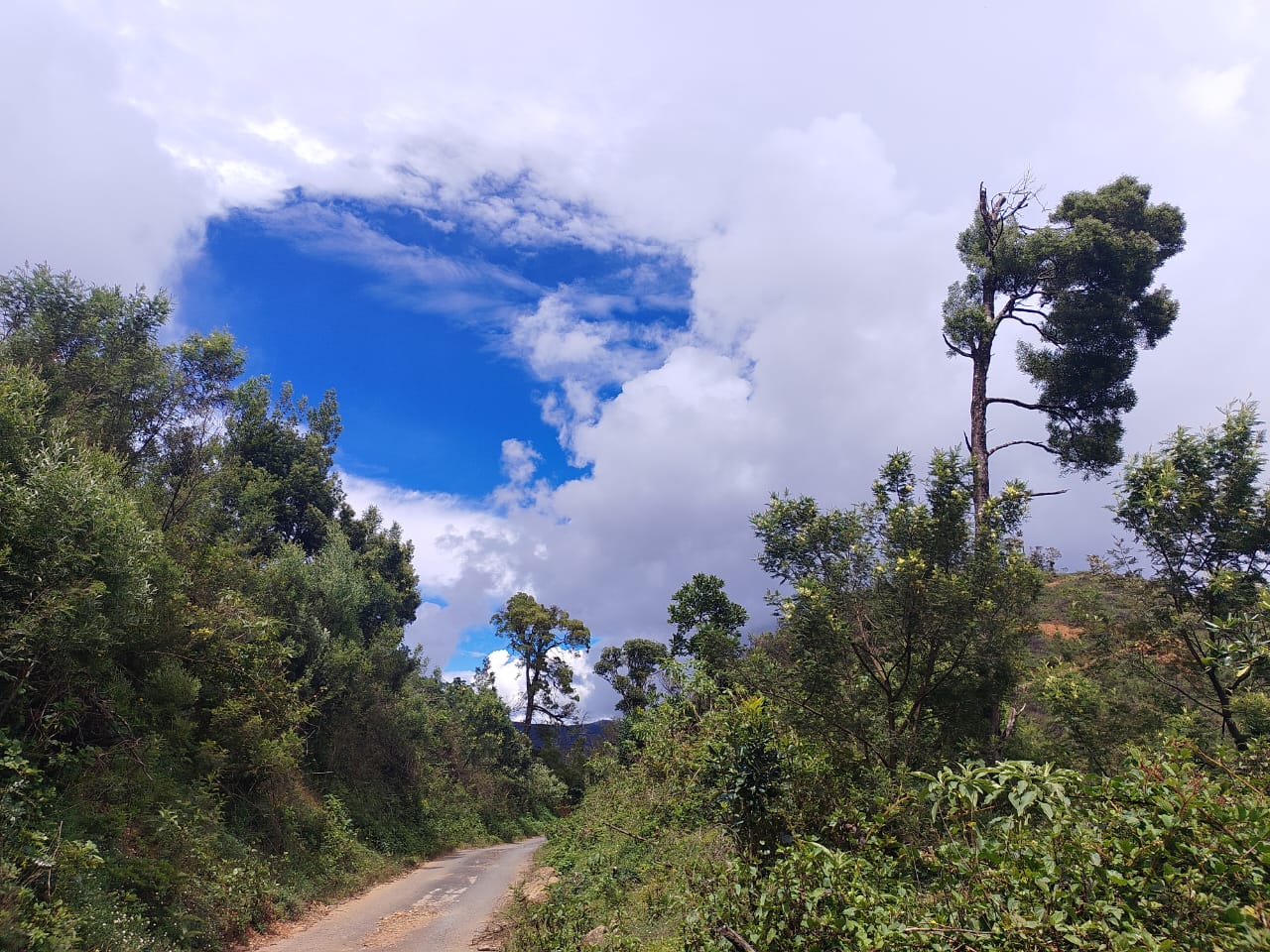
We had already visited Pykara Falls, Doddabetta, Karnataka Siri Horticulture Garden, and Kodanad Viewpoint — all of which were overflowing with people because of the holiday season. I assumed Avalanche too would be a tourist spot, but hopefully not as crowded as the others. Once I saw the Forest Department board, I felt a sense of relief — and indeed, things started to get better. We drove through a short stretch of dense forest where I spotted a few lovely native wildflowers. The sight of real forest vegetation after all the pine plantations and invasive growths made me breathe easier. Only then did I realize how tense I had been all week, witnessing the overwhelming tourism and unchecked spread of alien plants.
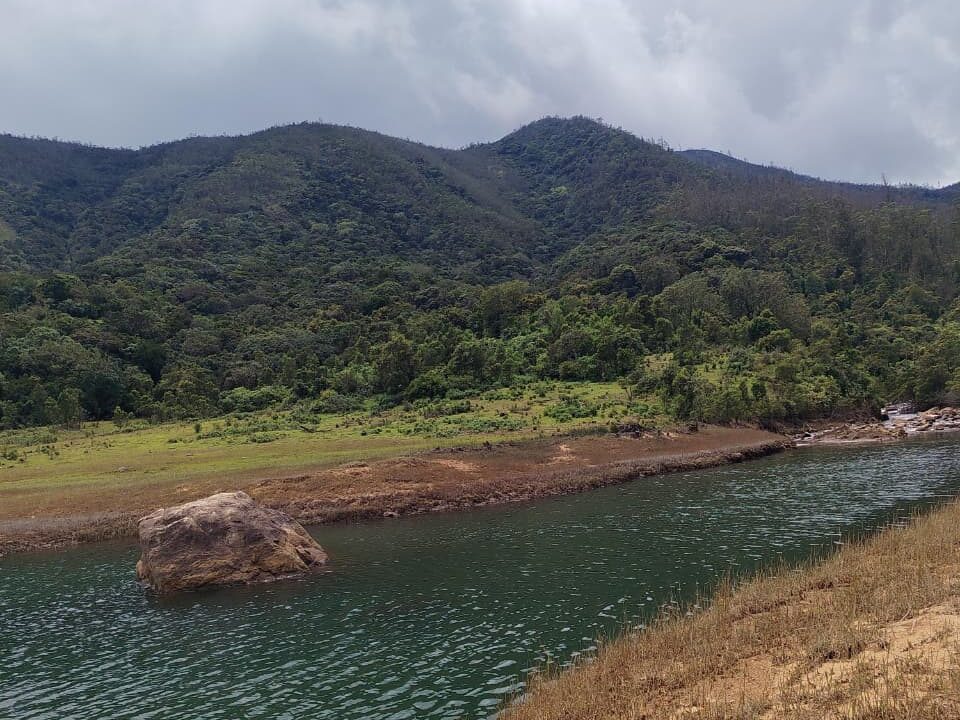
We were traveling in a van and soon reached the pine plantation area ( Yes, they are inside the forest also, Sigh) , where visitors could book a jeep ride into the forest. Luckily, everyone agreed to take the safari. While waiting for the jeep, we took a short walk through the pine area, where the beautiful Avalanche lake shimmered in the light. My little one seemed to sense my happiness at being close to the mountains and the forest lake — she began joyfully blowing dandelion puffs. I wandered around, observing the plants and watching Indian White-eyes flutter about. Soon, our jeep arrived, and the beautiful forest ride began.
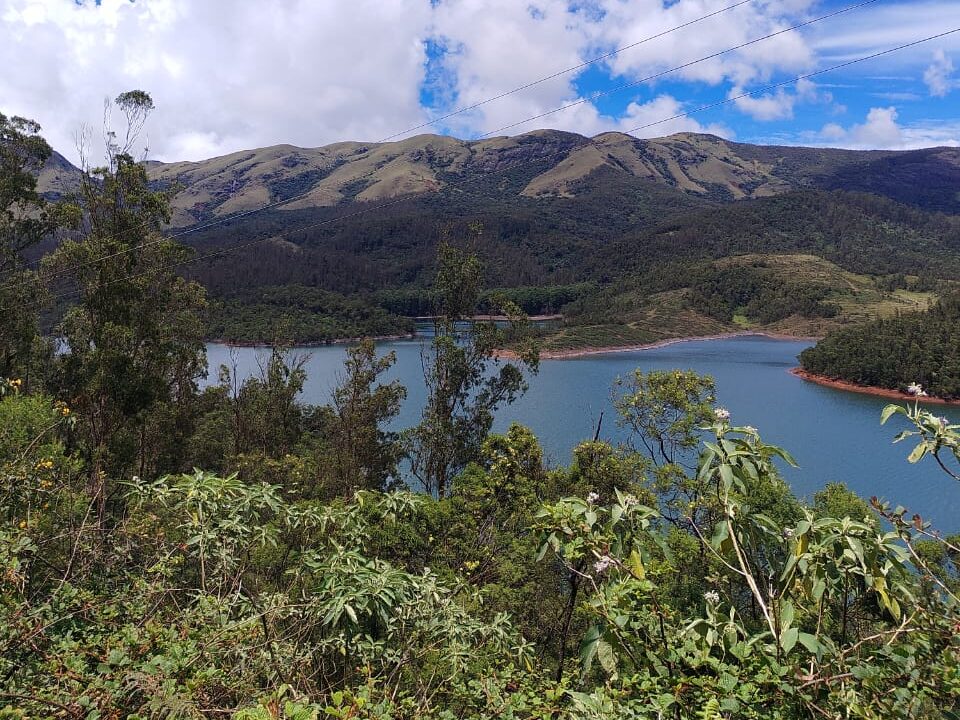
The driver stopped at two points to show us the lake and mountain views. It was refreshing to see forest birds like the Nilgiri Flycatcher and the Grey-headed Canary Flycatcher. The calls of Grey Junglefowl echoed constantly in the background. Along the way, I noticed a few orchids, but since we weren’t allowed to stop at random spots within the core zone, I kept quiet.
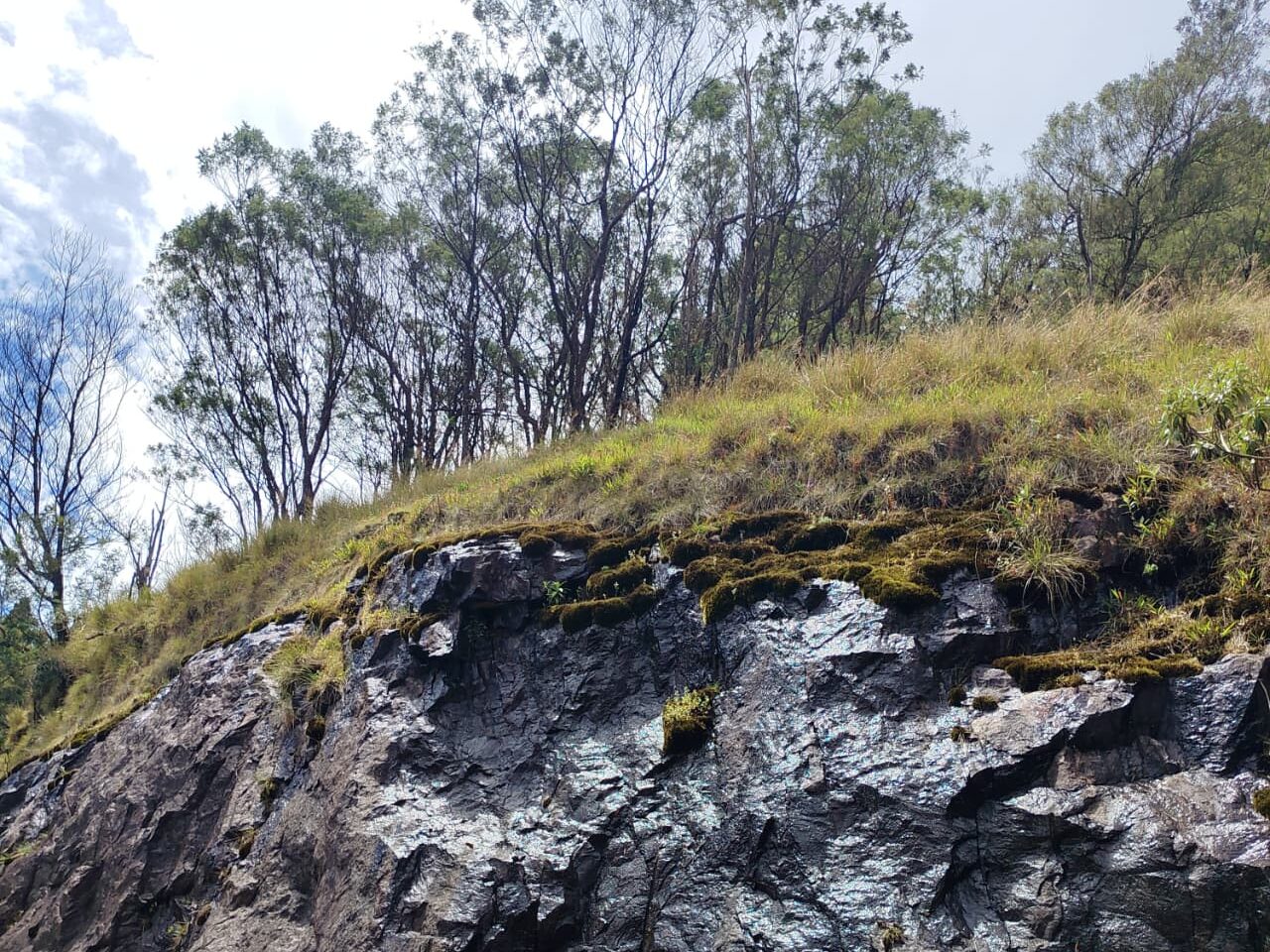
At the final stop, the driver allowed us to explore the area for a while. There was a small waterfall, and the dripping water over the rocky surface created an ideal habitat for native plants. As I had hoped, I found Drosera indica, Utricularia, and a small cluster of Strobilanthes kunthiana. I even spotted a few ground orchids, though their blooms had already faded. Walking towards another, slightly larger waterfall, I found several Strobilanthes kunthiana plants still in bloom. I eagerly showed them to my fellow travelers, who were thrilled to see them — though their excitement quickly turned into an urge to pluck the flowers! I explained that flowers inside the forest are part of a strict no-plucking zone.
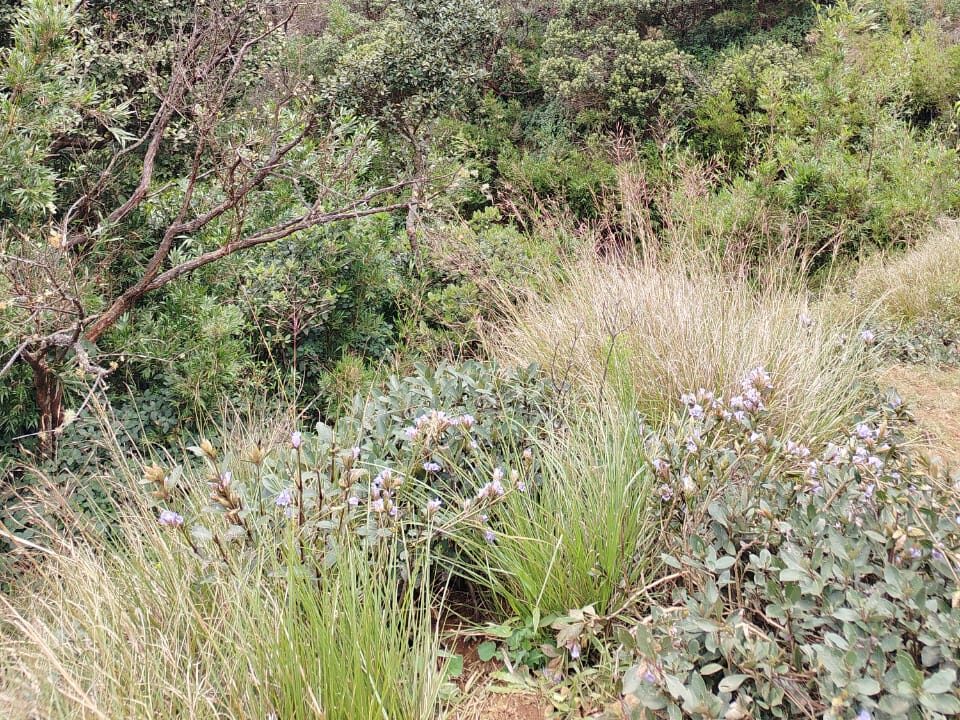
It began to drizzle, and the driver asked us to head back. On the return, I started sharing information about the Kurinji bloom — how 2030 will be the next super bloom year, and that Strobilanthes pulcherrima blooms once every 12 years in Sri Lanka, with the most recent super bloom occurring there in 2025. As I spoke, my eyes remained fixed on the forest, and suddenly I caught sight of a single white bloom on a moss-covered rock surface. Without realizing it, I shouted, “Anna, please stop the vehicle! There’s a rare plant — just a minute, I’ll take a picture!” He hesitated to stop but finally did, and I leapt out of the jeep to reach the plant.
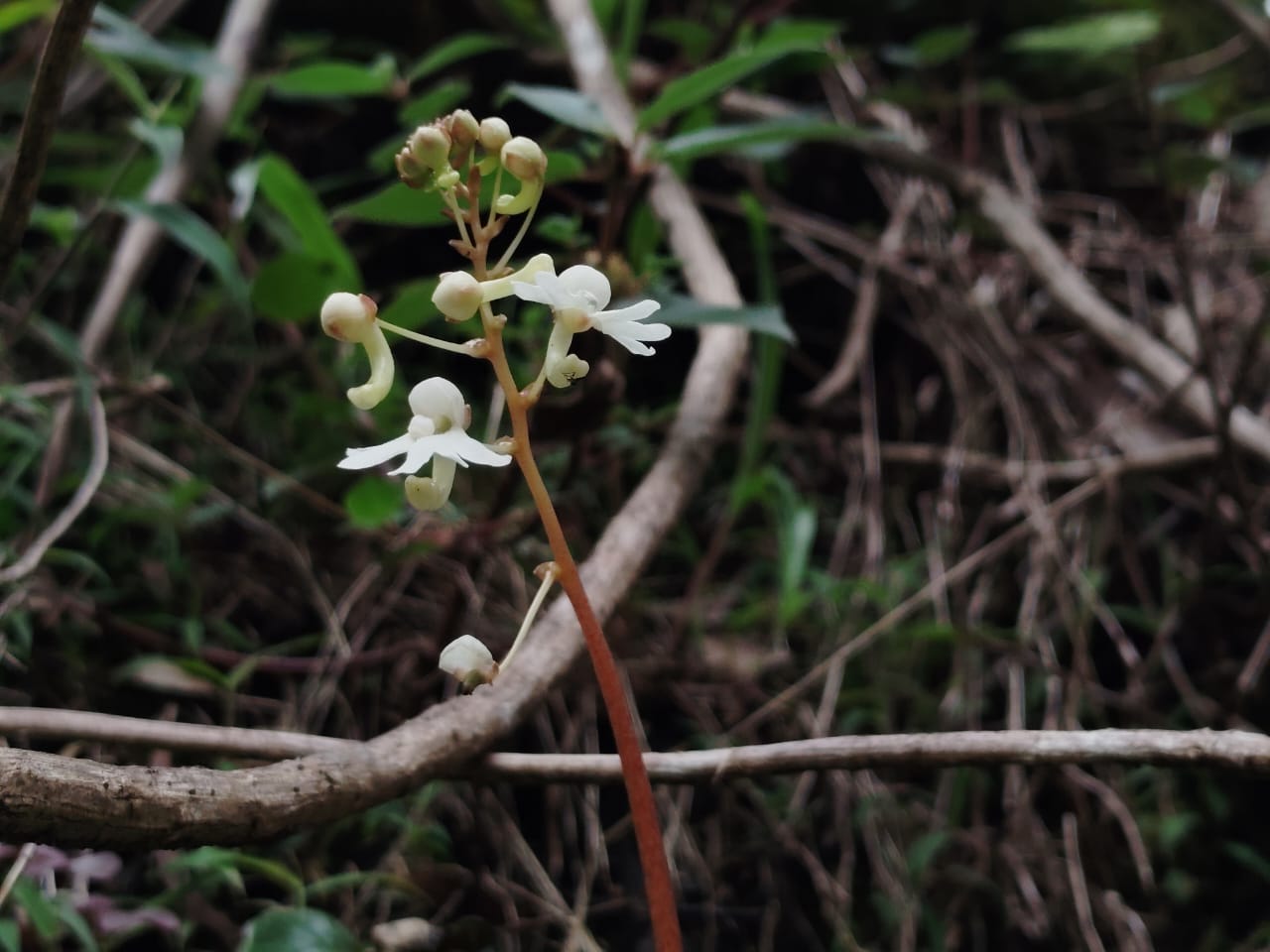
To my delight, it was the Western Ghats endemic Impatiens clavicornu — the Club-spur Balsam. It was growing a little high up, making it hard to photograph clearly, especially under the dim shola forest light. Still, I was thrilled. I tried explaining to everyone the significance of finding such an endemic species, though most were not particularly impressed — they were more interested in seeing Neela Kurunji poo. But they were surprised at how I managed to spot such a tiny, solitary flower while the jeep was moving.
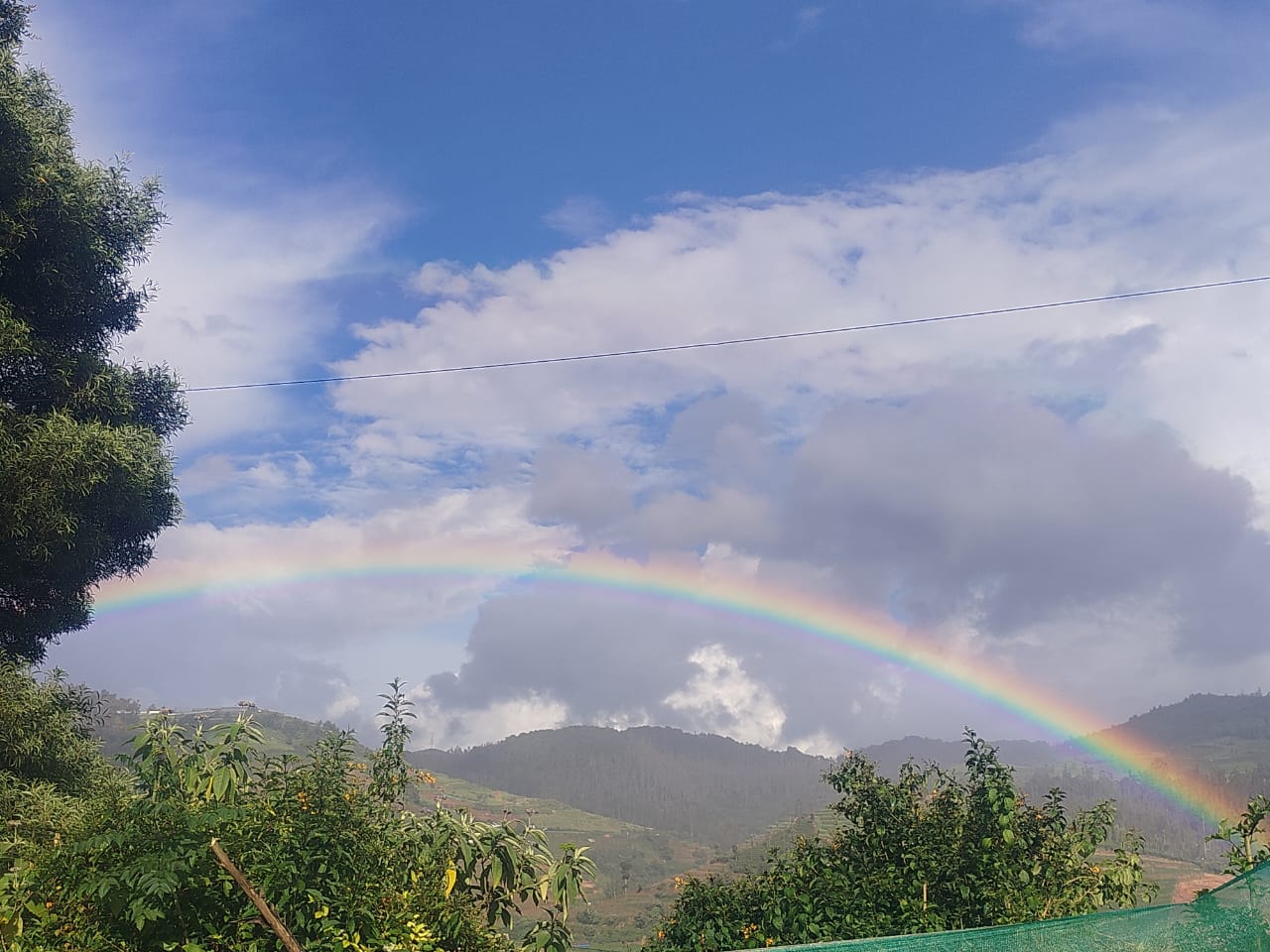
We returned to the camp area, where I had a wholesome lunch — though everyone else complained about the taste! I was content just with my toddler watching the mischievous macaques play , listening to the rain on our drive back to the homestay, and ending the day with a cup of delicious hot chocolate. What began as a monotonous touristy Ooty trip turned into a memorable and exciting one, all thanks to a few magical hours in the forests of Avalanche.