Bioluminescence is always an interesting topic, seeing a bioluminescent mushroom, bioluminescent algal bloom in sea and fireflies lighting up a forest is always an enchanting sight even for non-nature lovers.
Fireflies have played a very important role in my life since childhood. I have fond memories of my dad pointing them out in the empty plot next to our home, and of my mom helping me catch a few to put in a glass jar, where we could watch the glowing insects move about. I have always thought of them as magical, and the Tamil word “minmini poochi” always brings a smile to my face.
During times when I felt depressed and lay down on my bed, I would sometimes spot fireflies lingering by my window. I used to think they were guardian angels watching over me. Despite 22 years of formal education, I never learned about the firefly’s life cycle. So after our wedding, when Vinod showed me the larval form and said they are voracious predators, feeding on soft-bodied invertebrates like snails, slugs, and worms I was astounded.
I then learned all the scientific details. Fireflies—or lightning bugs—are not flies or bugs at all but are actually beetles in the family Lampyridae. Like all beetles, they undergo complete metamorphosis with four distinct stages: egg, larva, pupa, and adult. The complete life cycle can take anywhere from a couple of months to three years or more, with the majority of that time spent in the larval stage.
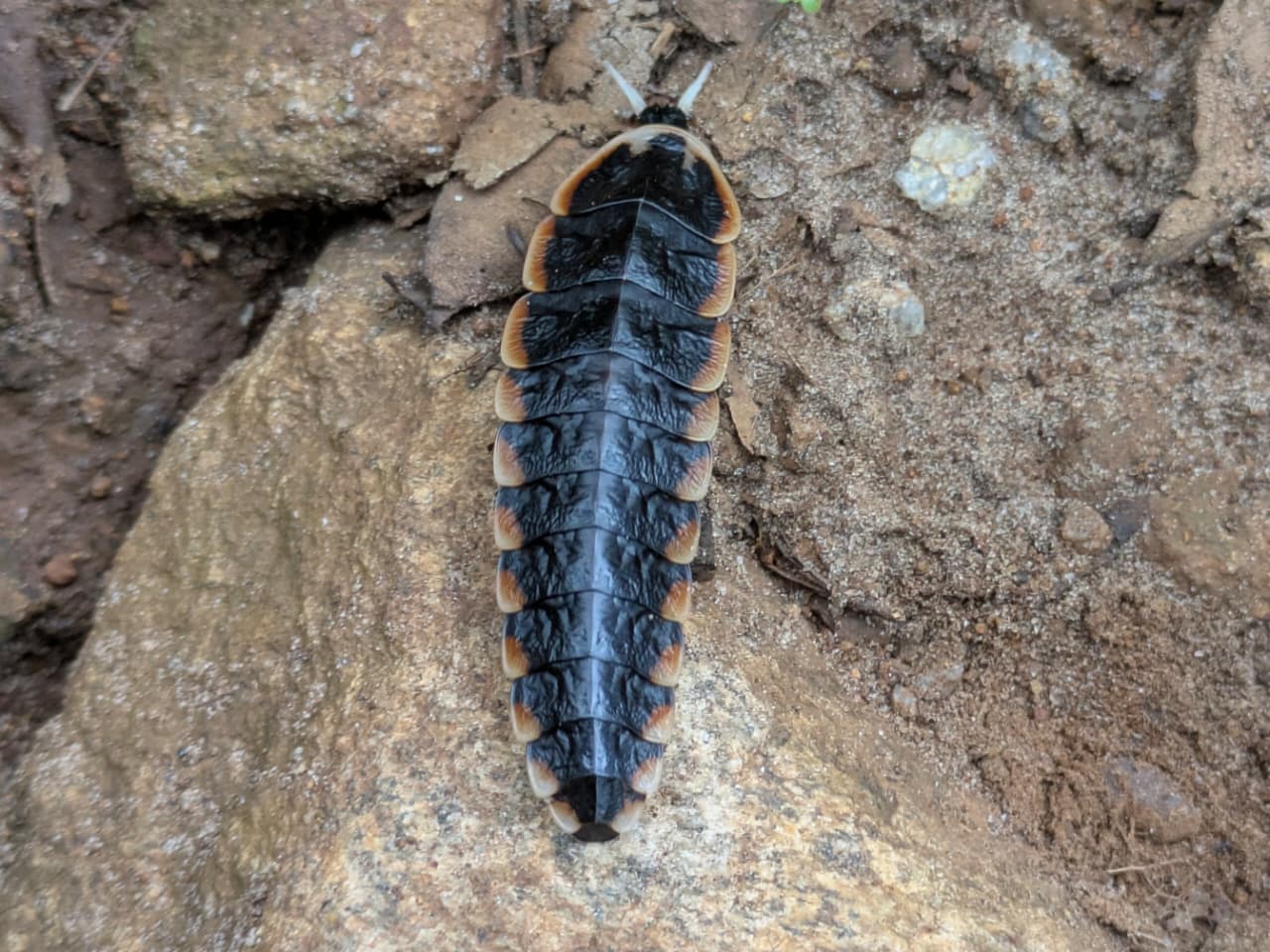
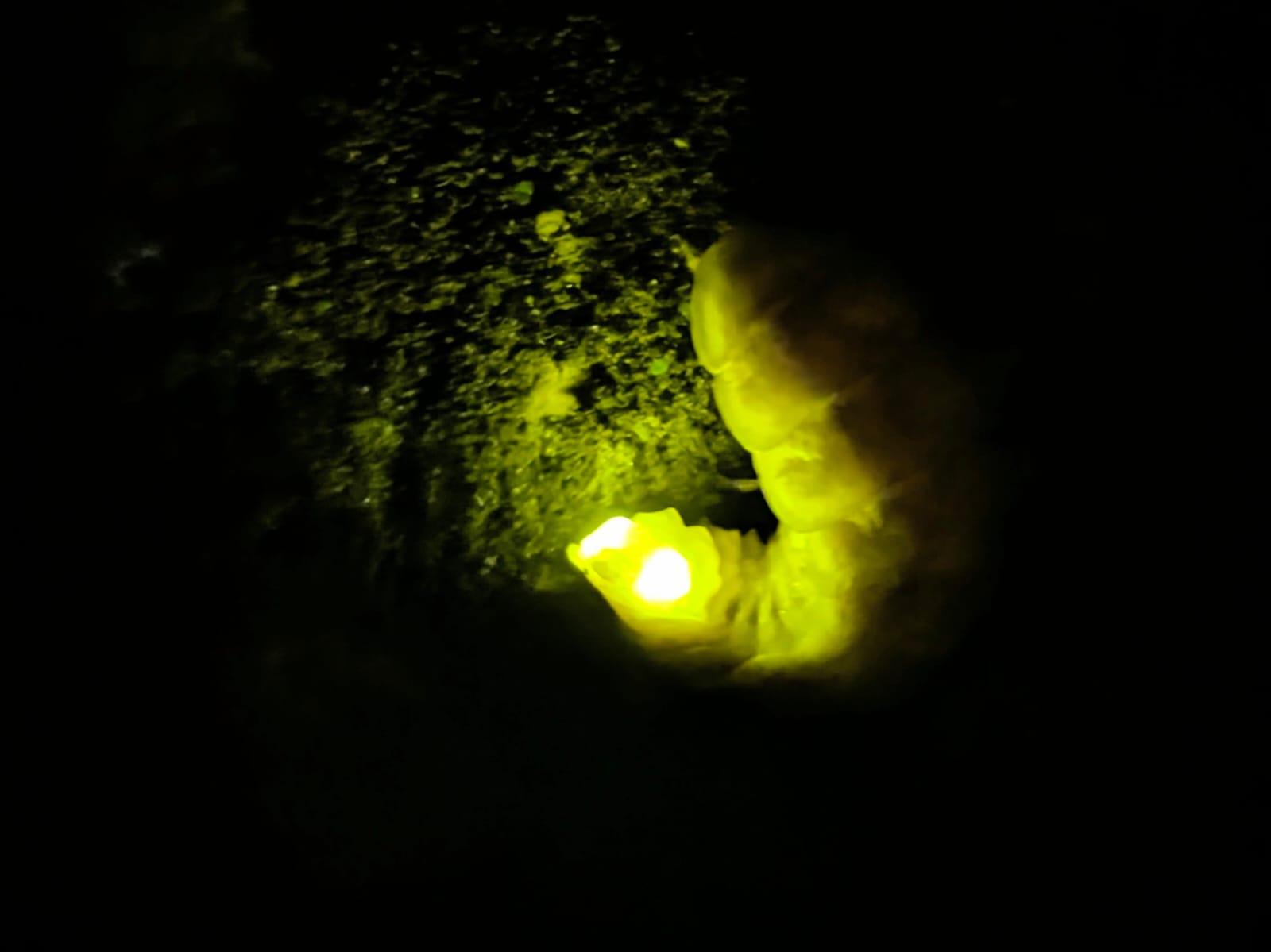
Fireflies light up for a variety of reasons. The larvae produce short glows as a warning to predators that they are unpalatable. As adults, they use unique flash patterns to identify members of their own species and to attract mates. Even after learning all these scientific facts, my mind still lingers on the magic of fireflies.
Vinod and I watched the fireflies in that same empty plot next to my home, but soon after, the land was developed into a commercial property. We were heartbroken when the plants were cleared, and we made numerous plans to protect fireflies in the future. Few years back we visited Sirumalai after finishing a butterfly survey and the place looked very scenic but it didn’t look very safe with all the drunkards. After a year, we again got an opportunity to visit Sirumalai for preparing a butterfly checklist at Khandige Estate.
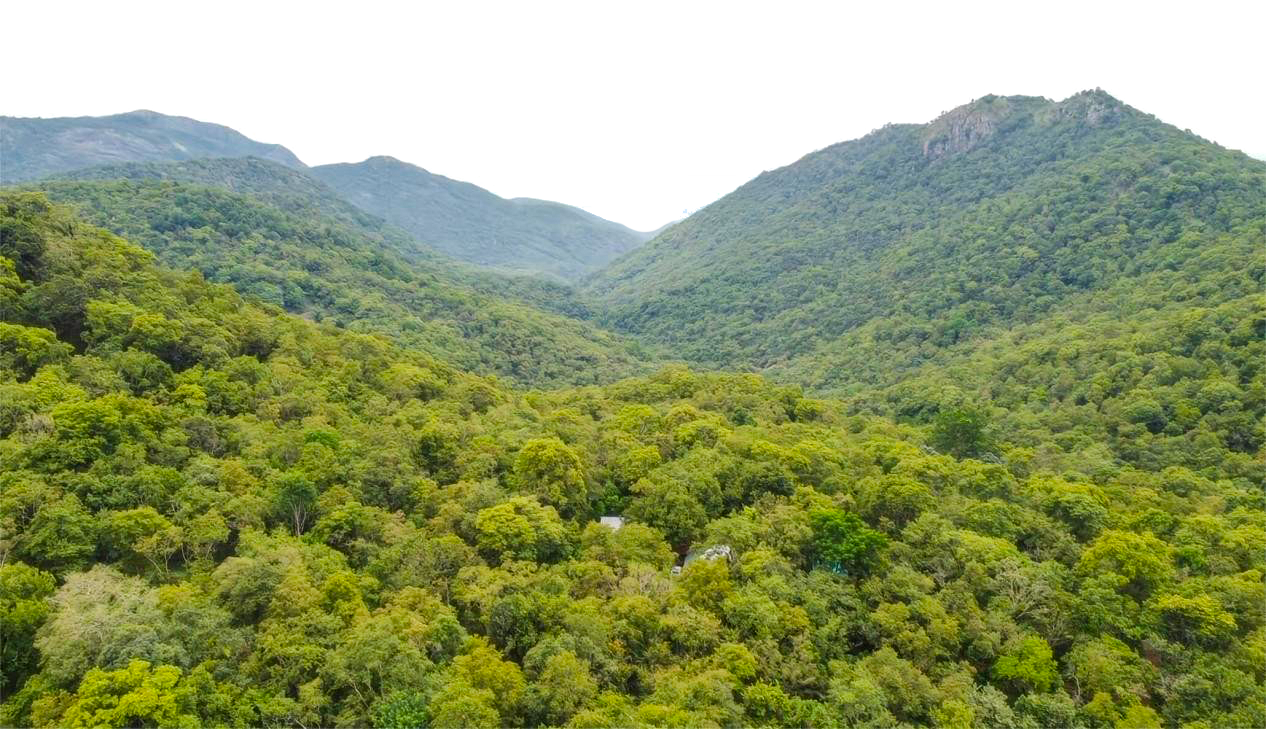
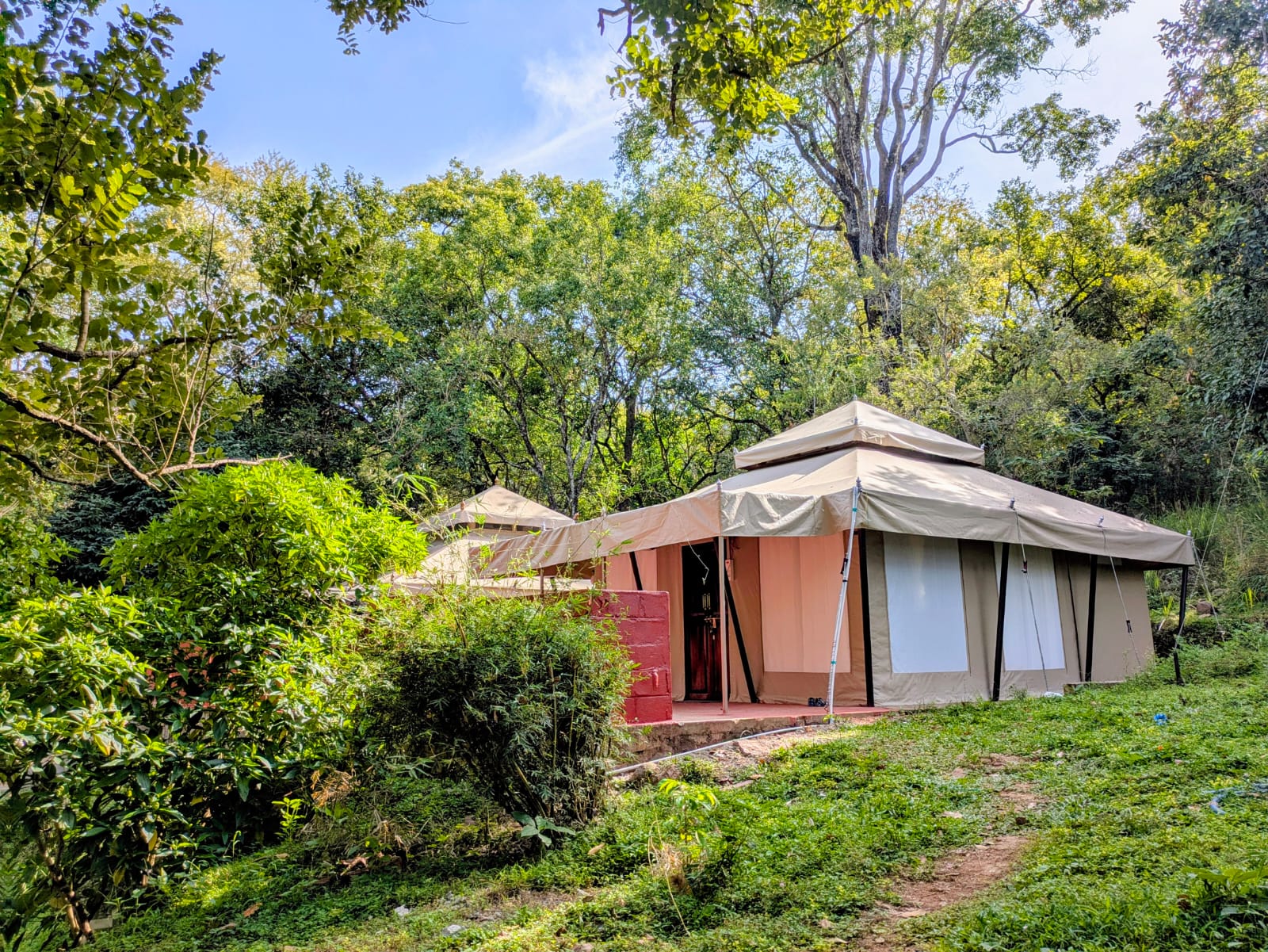
The estate owner, Mr. Vinod Bhatt, wanted the 1,000-acre estate to be a wildlife preserve; we truly enjoyed its solitude. When we revisited a few years later, they had added tent stays. We began discussing grassland restoration and made regular visits, considering it our second home.
We had many interesting wildlife sightings at Khandige Wildlife Preserve, such as hundreds of moths, a very close sighting of an Indian Gaur, a Tickell’s blue flycatcher catching moths in the kitchen, an Ornamental tarantula in the toilet, and the memorable sound of cicadas.
The estate contains many Vengai trees, and we were informed they bloom simultaneously, which changes the entire area to a yellow hue. It was also at this time that they collected honey from the trees, noting its unique fragrance. While we were continuously bewildered by the place, we then received an exciting message from the estate: “Fireflies are back.”
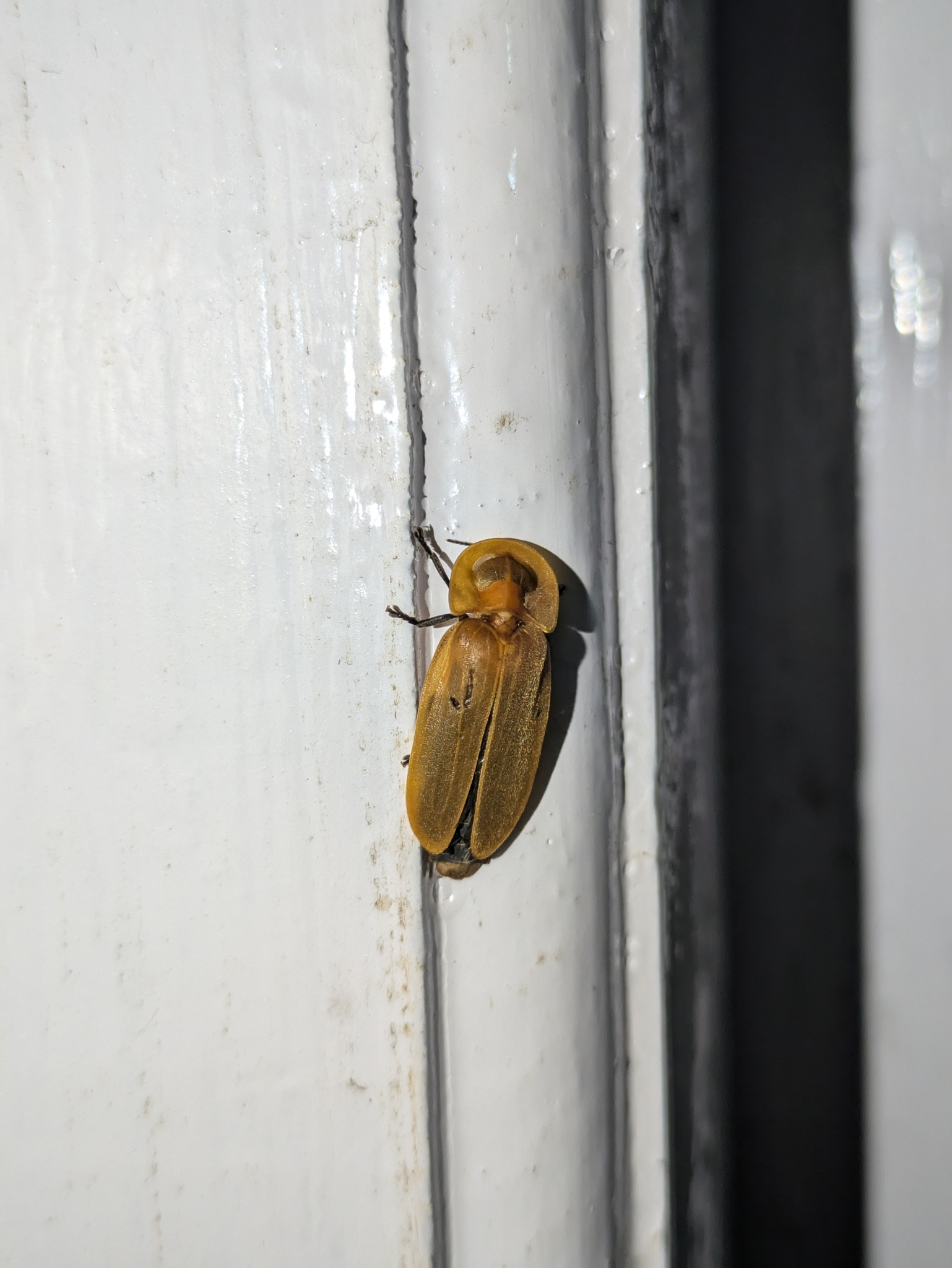
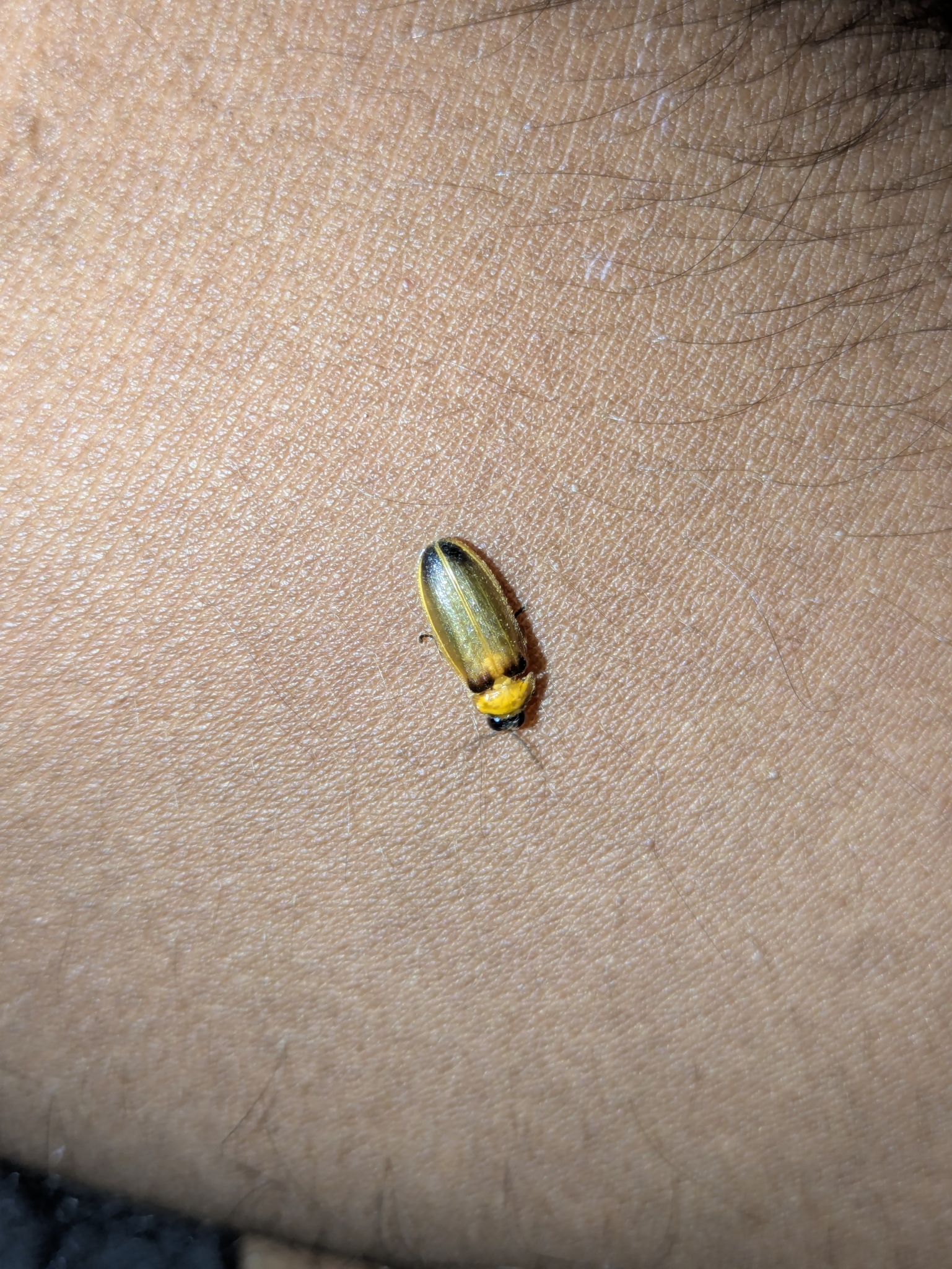
Vinod, who had been fully occupied with KNF work, finally had a free week, so we immediately packed our bags and headed to the estate. As the sun set and darkness emerged, we started seeing the first fireflies. Our little one excitedly pointed, chanting, “Blink, blink!”
The manager Ramesh told us about another location where we could see far more, so we climbed into an open Hilux. Both Vinods sat in the back, soaking in the nightlife of Khandige Wildlife Preserve. We reached the spot and, after a few seconds for our eyes to adjust, we were greeted by thousands of fireflies lighting up the forest. All three of us were awestruck—even our little one was dumbfounded by the magic unfolding before her eyes.
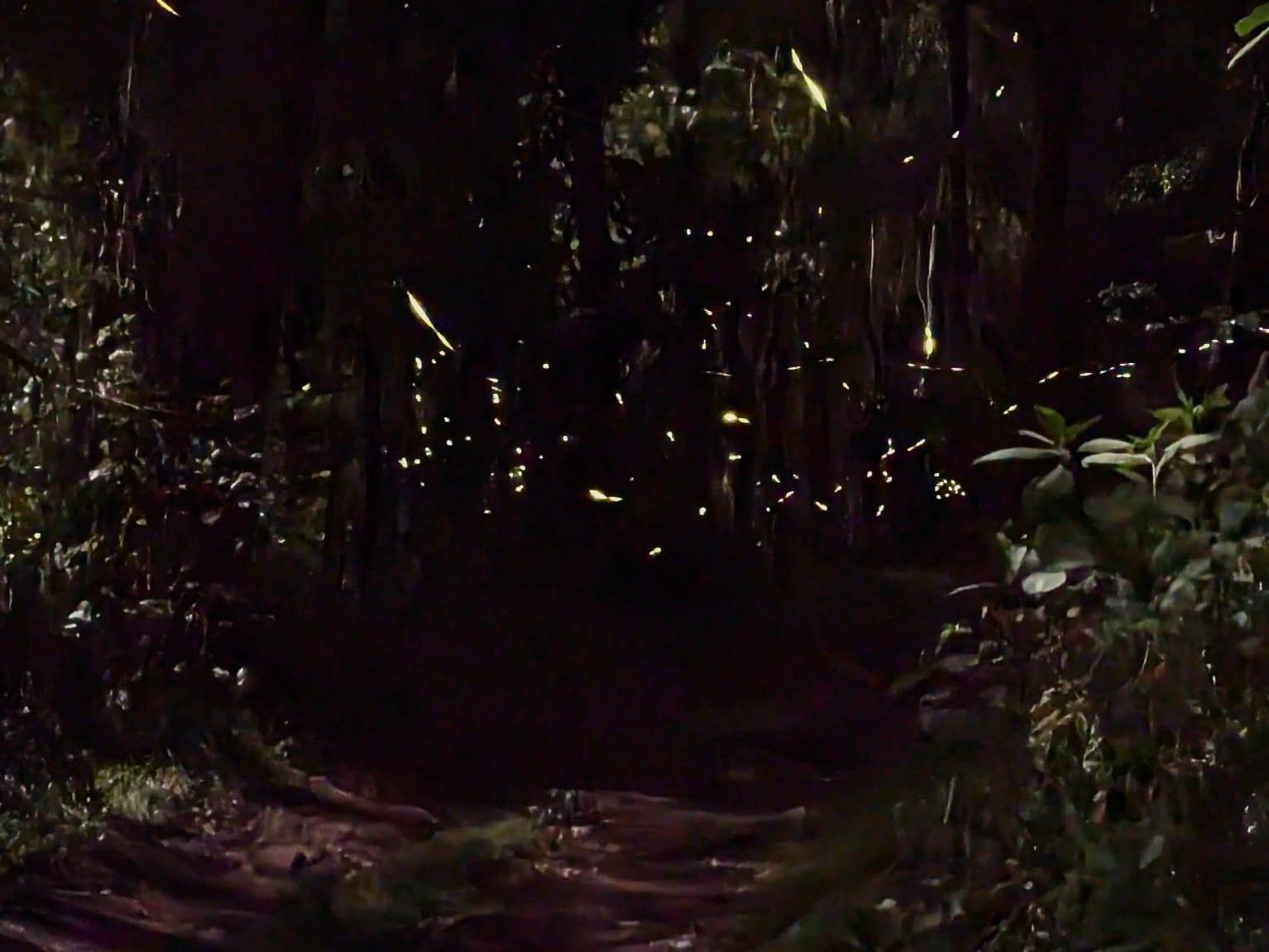
Manager Ramesh explained that this is a regular seasonal phenomenon, and they’ve noticed the number of fireflies has actually been increasing since they started observing them. We were thrilled to hear about the rising population here, especially given that the insect world population is rapidly dropping all over the world.
For the next few nights we stayed there, we embarked on journeys to explore the night world of Khandige. Vinod set up his camera and tried to capture photos and videos of the fireflies. After the initial excitement, however, our little one grew a bit scared of the darkness. Consequently, one of us would hold her and keep her inside the car while the other ventured out to simply witness the magic of the wilderness.
One of the locations we visited was near a waterfall; the sound of the water combined with the lights of the fireflies glowing in the canopy was incredibly peaceful. It’s clear that simply by stopping pesticides and not exploiting the habitat, the place is beautifully rejuvenating itself.
The recent synchronization of fireflies in Anamalai Tiger Reserve has gone viral, attracting numerous photographers. While beautiful, I argue that this phenomenon was once common to almost any forest or rural area of the Western Ghats. Due to long-term terrain alteration, we’ve likely lost this display across the entire region. The excitement over the Anamalai sighting should serve as a wake-up call, highlighting a beautiful part of nature we previously failed to protect elsewhere.